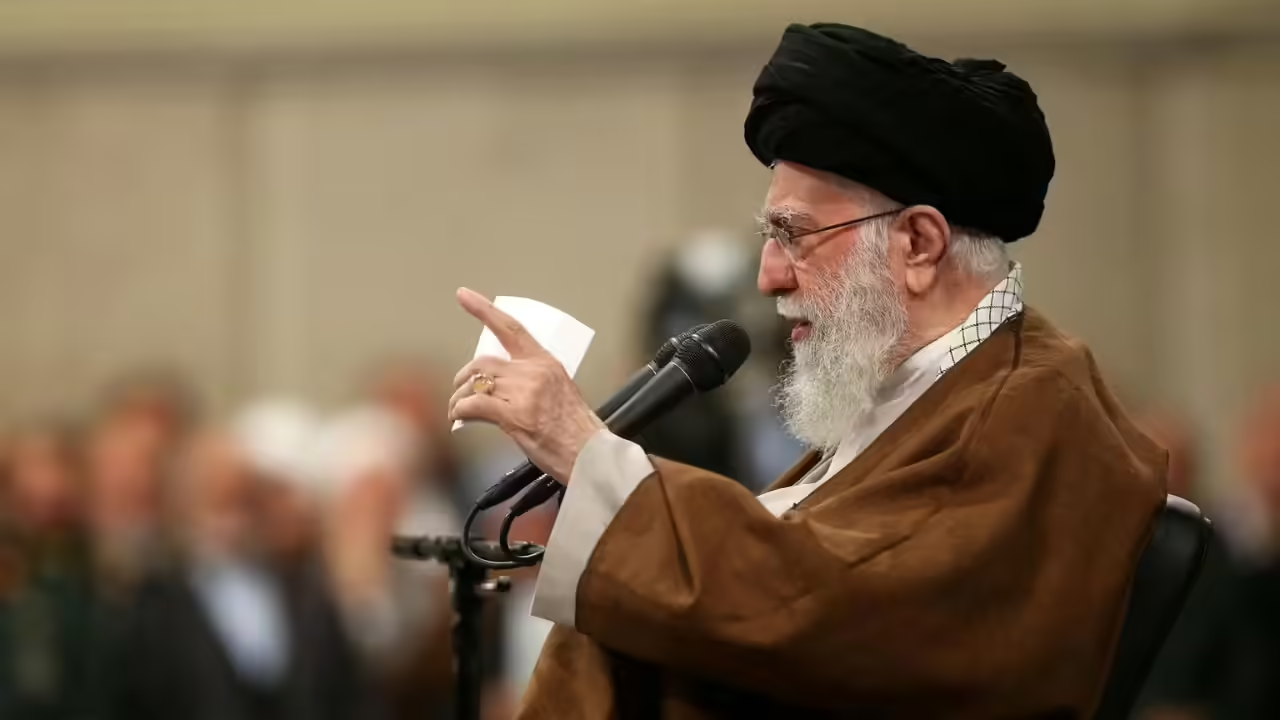
Swapna Kumbar , Bengaluru - Iran's new Supreme Leader Ayatollah Mojtaba Khamenei has issued a rare strange unity message amid the protracted US-Israel-Iran conflict, calling for national cohesion despite glaring signs of internal fractures that threaten the regime's stability. The statement, his first major public communication since succeeding his late father Ayatollah Ali Khamenei in early 2026, comes as Tehran struggles with economic collapse, military setbacks, and factional infighting, even as the war shows no signs of ending. The appeal highlights a deepening crisis of legitimacy in the Islamic Republic, where wartime pressures have exposed rifts between hardliners, pragmatists, and the Revolutionary Guards.
Mojtaba Khamenei's message, broadcast on state television during the Persian New Year and Ramadan's end, declared Iran's front lines far stronger than enemies assume and named the year the resistance economy under national unity and national security. He praised the resistance front including Yemen's Houthis, Lebanon's Hezbollah, and Iraqi groups for standing with Iran, while urging citizens to form a vast defense line against perceived plots to spark uprisings. Yet, reports of regime infighting paint a different picture: President Masoud Pezeshkian's apologies to Gulf states for Iranian attacks have enraged IRGC hardliners, clerics are accelerating supreme leader appointments, and opposition figures like Reza Pahlavi call for street protests and strikes to overthrow the government. Economic woes inflation, isolation, and war devastation further erode public support, with Amnesty International noting intensified repression and executions.
The strange tone of Mojtaba's plea defiant yet desperate reflects wartime vulnerabilities exposed since the Twelve-Day War's escalation. Internal disputes prioritise blame‑shifting over reforms, while external pressures like US naval blockades and Israeli strikes compound the chaos. Despite the rhetoric, unity appears elusive, with the regime facing potential fragmentation along ethnic and political lines as the conflict drags on without resolution.
Mojtaba Khamenei's unity message, far from rallying the nation, inadvertently spotlights Iran's profound internal fractures at a moment when external wars demand cohesion. As economic collapse and military stalemate persist, the regime risks a crisis of legitimacy that could ignite domestic unrest or collapse, turning the endless war into an existential threat from within. For Tehran, true unity may prove as elusive as battlefield victories, forcing a reckoning between hardline defiance and pragmatic survival.
.jpeg)
Trump cited India’s voter-ID system while backing the SAVE America Act, highlighting differences in voting rules between the two countries.
.jpeg)
A Russian missile strike hit Lakshmi Mittal-linked ArcelorMittal’s steel plant in Ukraine, killing two and injuring several others as the war escalates.
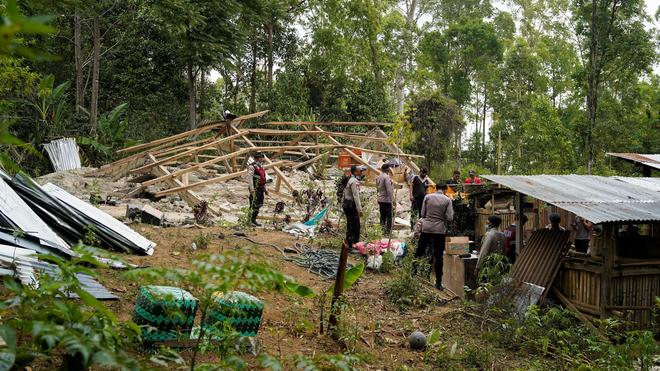
A powerful earthquake in Indonesia has killed 53 people and forced around 5,000 to evacuate, as aftershocks and landslides hamper rescue efforts.

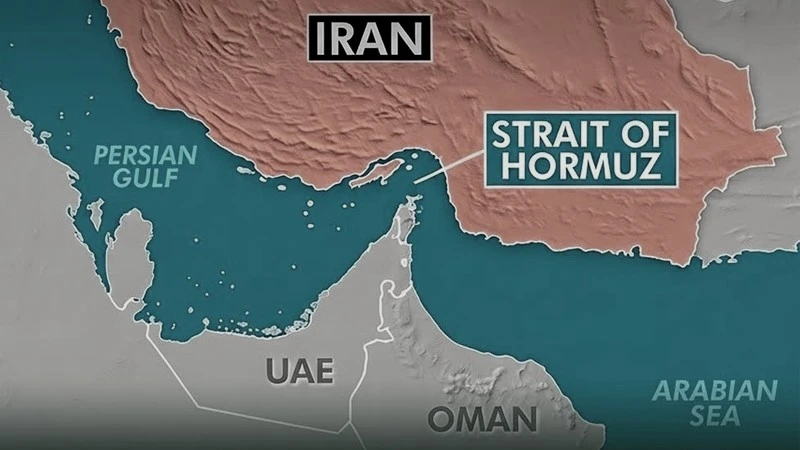
Iran, Oman and the U.S. are reportedly close to a Strait of Hormuz agreement tha...
.jpeg)
Fresh U.S. airstrikes in Iran reportedly killed 14 people, prompting Iranian ret...
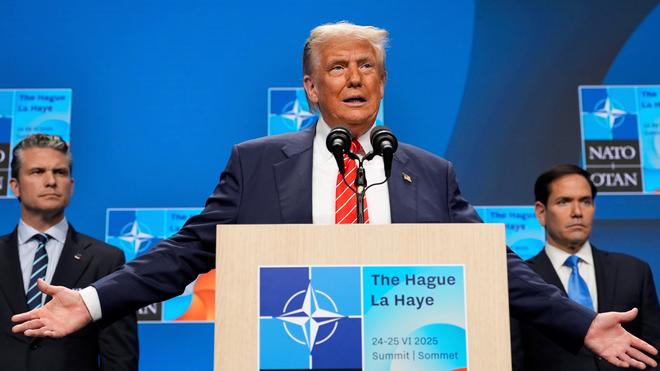
President Donald Trump claimed he is Iran’s “No. 1 target” after security measur...
.jpeg)
Three people were killed in U.S. strikes in western Iran as tensions escalated f...
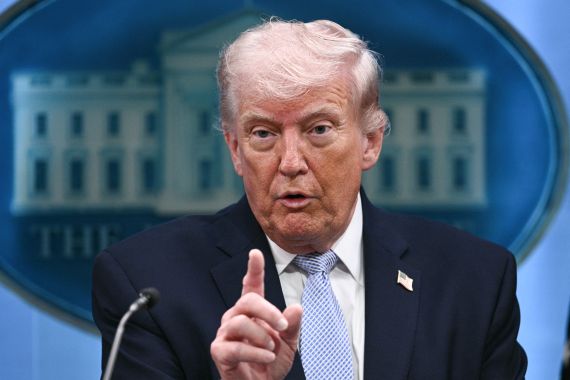
President Donald Trump said the Iran ceasefire is “over” following fresh U.S. st...