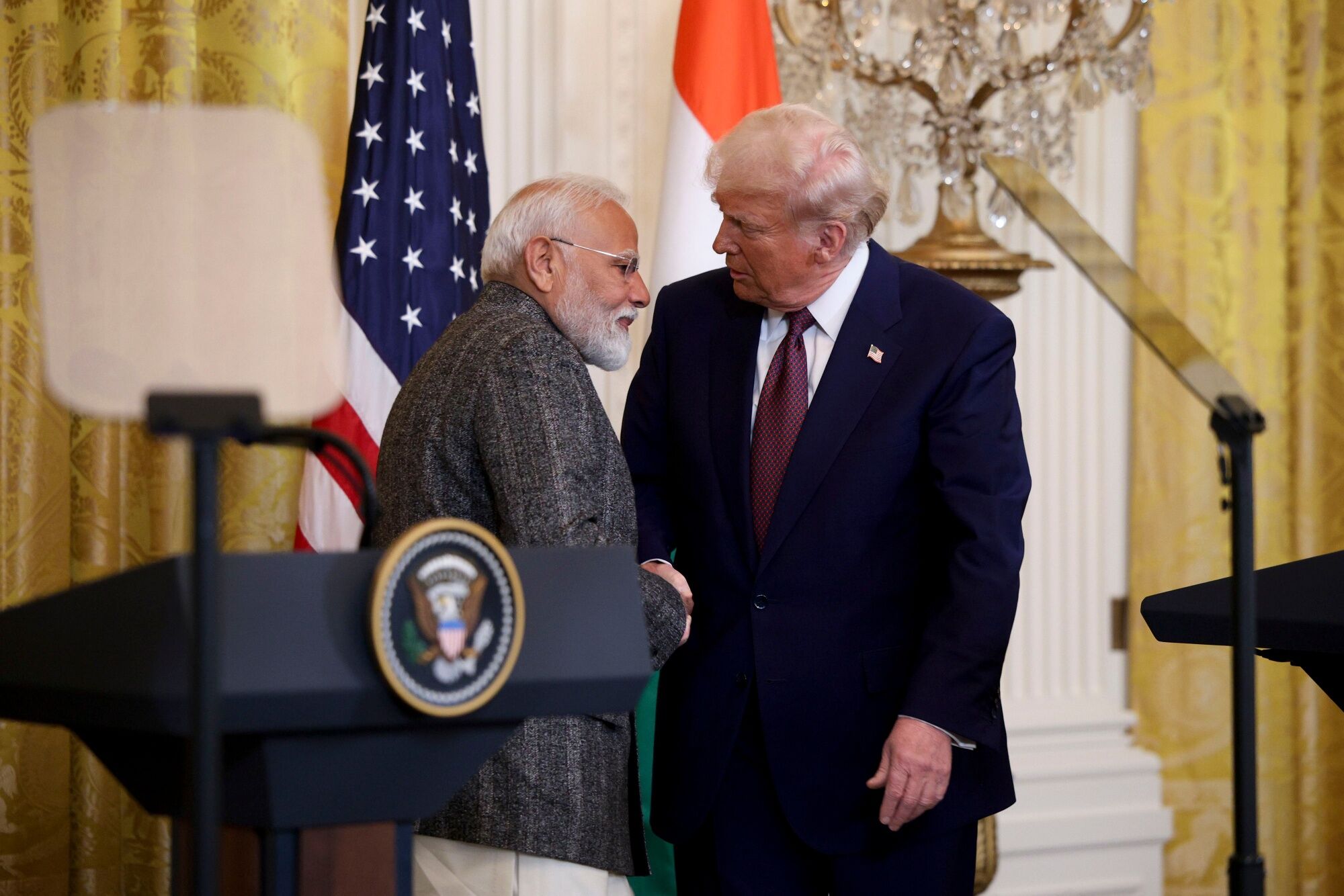
Swapna Kumbar , Bengaluru - The Indian government has responded cautiously to the United States' proposal to impose an additional 12.5% tariff on imports from India, stressing that discussions with Washington remain ongoing. The proposed duty, announced by the US Trade Representative (USTR) under a Section 301 investigation into forced labour-related import rules, comes at a sensitive time as New Delhi and Washington work toward finalizing a bilateral trade framework.
In its response, India's Commerce Department said that New Delhi remains engaged with the United States on the issue as part of the ongoing Section 301 proceedings. Officials also emphasized that trade negotiations are continuing in parallel and that both countries remain committed to finalizing the framework agreement announced earlier this year. The proposed tariff is still under consultation and has not yet been implemented, with public comments and hearings scheduled before a final decision is made.
The USTR has argued that India and several other countries have not adequately enforced restrictions on imports linked to forced labour, leading Washington to propose additional duties. However, trade experts note that the investigation is focused on import-control mechanisms rather than allegations that Indian exports themselves are produced using forced labour. Despite the tariff proposal, both sides continue to hold trade discussions in New Delhi, with officials indicating that a broader trade pact remains close to completion.
While the proposed tariff has added uncertainty to India-US trade relations, New Delhi has signaled that it intends to address the issue through dialogue rather than confrontation. With negotiations on a bilateral trade agreement still progressing, both countries appear keen to prevent the dispute from derailing broader economic cooperation.
.jpeg)
Trump cited India’s voter-ID system while backing the SAVE America Act, highlighting differences in voting rules between the two countries.
.jpeg)
A Russian missile strike hit Lakshmi Mittal-linked ArcelorMittal’s steel plant in Ukraine, killing two and injuring several others as the war escalates.
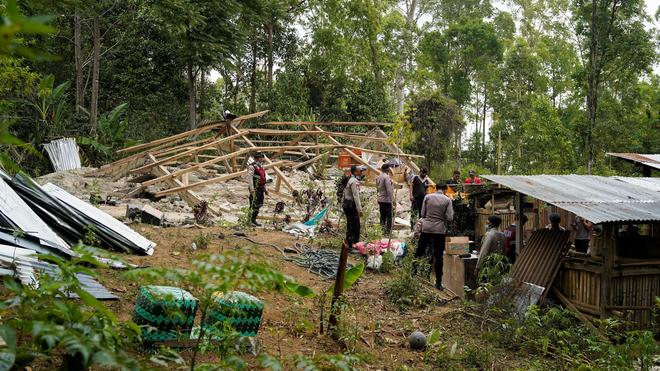
A powerful earthquake in Indonesia has killed 53 people and forced around 5,000 to evacuate, as aftershocks and landslides hamper rescue efforts.

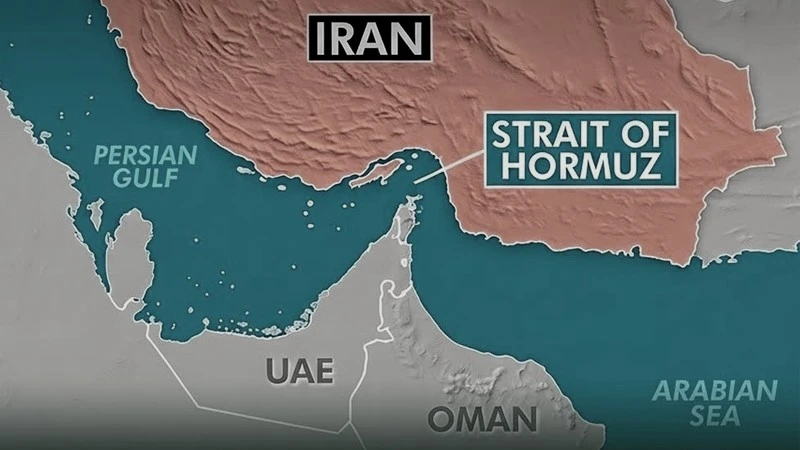
Iran, Oman and the U.S. are reportedly close to a Strait of Hormuz agreement tha...
.jpeg)
Fresh U.S. airstrikes in Iran reportedly killed 14 people, prompting Iranian ret...
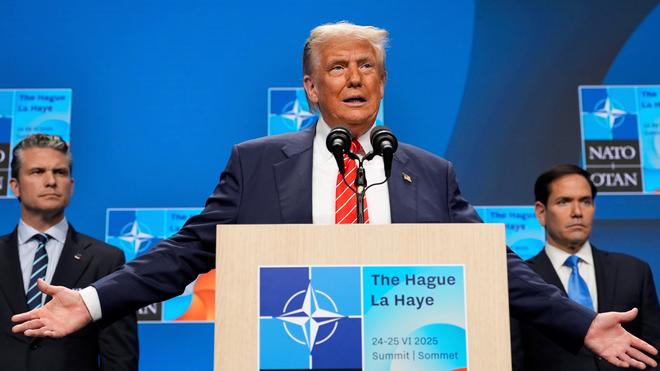
President Donald Trump claimed he is Iran’s “No. 1 target” after security measur...
.jpeg)
Three people were killed in U.S. strikes in western Iran as tensions escalated f...
President Donald Trump said the Iran ceasefire is “over” following fresh U.S. st...