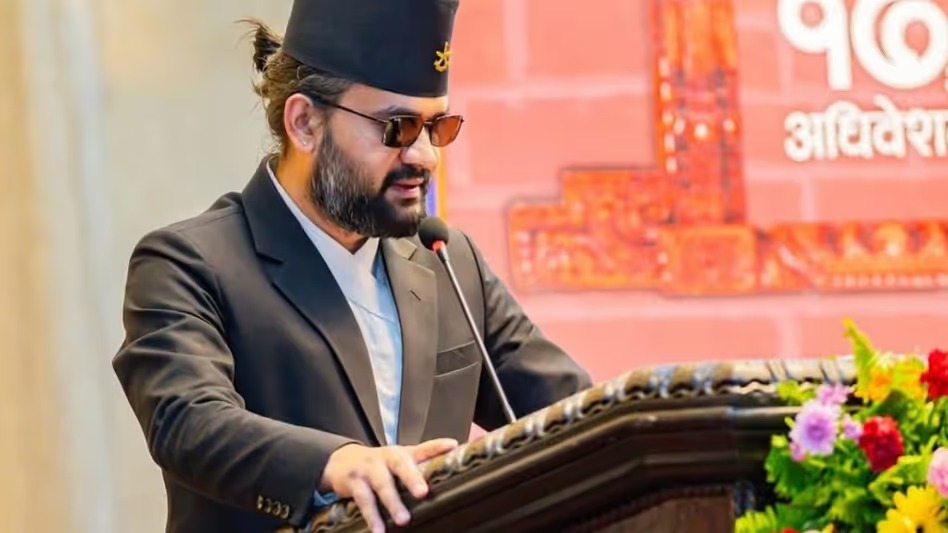
Desk Correspondent , Kathmandu - Not long ago, Balendra Shah was known simply as 'Balen', a rapper with a microphone, a beat, and something to say about the state of Nepal. On Friday, he exchanged the microphone for a constitutional oath, becoming the Prime Minister of Nepal at just 35 years of age. In doing so, he has shattered not one but several of the country's most enduring political conventions, the youngest person to hold the office, the first from the historically marginalised Madhes region, and the most improbable leader to emerge from a political culture long dominated by ageing establishment figures.
President Ramchandra Paudel administered the oath to 35 year old Balen Shah,Nepal's youngest ever Prime Minister under Article 76(1) of the Constitution, in a ceremony rich with tradition, seven brahmins blew conch shells, 108 Hindu Batuks chanted Vedic Swasti Bachan, and 107 Buddhist Lamas offered Mangal Bachan, celebrating Nepal's Hindu Buddhist roots. Risen from overlooked Jhapa, Balen's Rastriya Swatantra Party (RSP) clinched a massive 182 of 275 House seats, stunningly defeating four-time PM KP Sharma Oli in his Jhapa 5 stronghold. As Nepal's first Madhesi PM from the marginalized southern plains and a former rapper turned Kathmandu mayor who railed against corruption, he breaks barriers long held by Kathmandu's elderly elites. Facing a lean 15-18 minister cabinet, his priorities include tackling economic fragility, youth unemployment, remittance reliance, federal growing pains, and supply chain strains from the Iran-US energy crisis.
Balen Shah's oath is more than a change of government, it is a generational rupture. Nepal's voters have grown impatient with recycled faces and unfulfilled promises, and in electing a rapper from the Madhes over a four-time prime minister in his own stronghold, they have placed a remarkable bet on something new. The RSP's 182-seat mandate gives Balen the rare luxury of governing without coalition compromise. What he does with it will determine whether Friday was the beginning of genuine transformation or simply the latest chapter in a cycle of disappointed hopes.
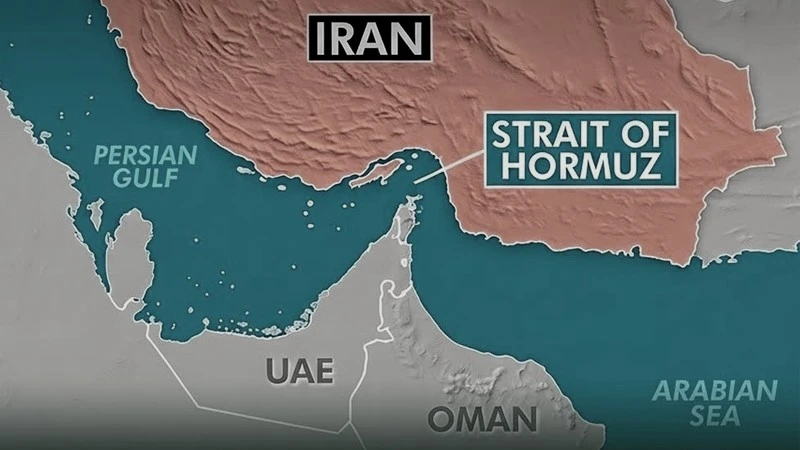
US President Donald Trump arrived in China for crucial talks with President Xi Jinping as Iran expanded its definition of the Strait of Hormuz, escalating tensions over one of the world’s most strategic oil routes.
The Pentagon says the cost of the Iran war has climbed to nearly $29 billion, while US President Donald Trump insisted that preventing Iran from obtaining nuclear weapons matters more than the economic hardship facing Americans.
Saudi Arabia reportedly carried out covert retaliatory airstrikes on Iran during the recent Middle East conflict, marking the kingdom’s first known direct military action on Iranian soil amid escalating regional tensions.
US President Donald Trump and Chinese President Xi Jinping have met six times since 2017, shaping one of the world’s most influential and tense geopolitical relationships through trade talks, diplomatic negotiations, and strategic rivalry.
Iran has reportedly proposed diluting part of its highly enriched uranium stockpile and transferring the rest to a third country as part of ongoing negotiations with the United States. However, Tehran continues to reject demands to dismantle its nuclear facilities and wants guarantees that transferred uranium would be returned if talks collapse.
China’s Foreign Minister Wang Yi will skip the upcoming BRICS foreign ministers’ meeting in New Delhi due to “scheduling reasons,” with Beijing indicating it will not send any other senior representative to attend the gathering.
A potential breakthrough between US President Donald Trump and Chinese President Xi Jinping could revive billions of dollars in American energy exports to China, offering relief to global markets amid ongoing trade and geopolitical tensions.
Pakistan quietly allowed Iranian military aircraft to use its airbases during the US-Iran conflict to shield them from possible American strikes. Iran reportedly also moved civilian aircraft into Afghanistan as regional tensions intensified.
US President Donald Trump warned that the fragile ceasefire between Washington and Tehran is on “life support” after rejecting Iran’s latest proposal, while Iranian parliamentary speaker Mohammad Bagher Ghalibaf said the country’s armed forces are prepared to “teach a lesson” to any aggressor.
A powerful car bomb explosion followed by a coordinated militant ambush in northwest Pakistan has killed at least 12 police personnel in the restive district of Bannu near the Afghan border. Authorities say heavily armed attackers targeted a security checkpoint using an explosives-laden vehicle before launching an assault on responding forces.
Putin said the war in Ukraine is gradually nearing its final phase while sharply criticizing Western nations for continuing military and financial support to Kyiv. The Russian leader also stated he would meet Volodymyr Zelenskyy only after conditions for a possible peace agreement are finalized.
The US and Iran could resume diplomatic talks in Islamabad next week as mediators work on a framework aimed at easing tensions, reviving nuclear negotiations, and preventing further regional escalation.
Israel issued evacuation warnings for villages in southern Lebanon amid fears of renewed military operations against Hezbollah, raising concerns that the Iran-Israel conflict could further expand across the region.
US President Donald Trump announced a three day Russia-Ukraine ceasefire and a major 1,000 prisoner swap, marking a significant diplomatic breakthrough amid ongoing war tensions.
US officials are preparing to evacuate Americans from the MV Hondius after a hantavirus outbreak caused multiple deaths and sparked an international health investigation.
US has paused Project Freedom in the Strait of Hormuz for now, as talks with Ira...
Governor presented citations to several outstanding units of the Army, Assam Rif...
Pune Tourist Rescued Following 150-Foot Plunge at Sinhagad Fort While Taking Pho...
Twin Blasts Near Military Establishments Put Punjab on High Alert