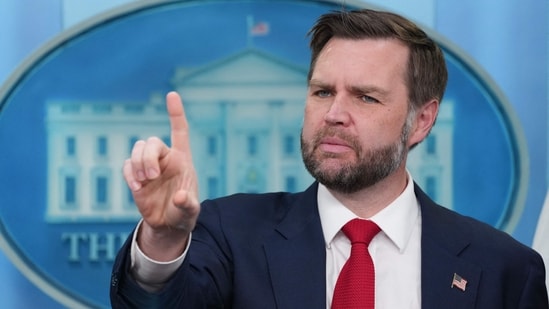
News Desk - The U.S.-Iran peace process has hit another setback, with Swiss officials saying the planned talks in Bürgenstock have been postponed and the meeting no longer looks set to happen on the original schedule. The delay comes just days after the two sides were expected to begin work on implementing the memorandum of understanding that was presented as a path toward ending the war.
According to reports, the Friday meeting was supposed to launch the next phase of negotiations after a signing or endorsement process, but Vice-President JD Vance canceled his planned trip to Switzerland, citing logistical complexities and unpredictability. Swiss authorities later confirmed that the talks had been postponed, though they said preparatory work at Bürgenstock was still continuing.
The timing matters because the Switzerland meeting had been seen as the first major follow-up to the earlier U.S.-Iran understanding, which included a 60-day negotiation window, sanctions relief discussions, and broader questions about Iran’s nuclear programme. Reports say the delay reflects unresolved practical and political issues, and that the process remains fragile despite earlier announcements that a deal was within reach.
The setback also raises doubts about the durability of the agreement itself, since the peace framework has already faced mixed signals from Tehran, Washington, and third-party mediators. Analysts quoted in coverage say the road from an interim understanding to a final settlement is proving much more complicated than the original announcements suggested.
In short, the Switzerland meeting was not canceled because the peace effort is over, but because the next step in the process has run into fresh uncertainty. The talks are still alive in principle, but the postponement shows that the U.S-Iran deal remains fragile and far from fully settled.
.jpeg)
Trump cited India’s voter-ID system while backing the SAVE America Act, highlighting differences in voting rules between the two countries.
.jpeg)
A Russian missile strike hit Lakshmi Mittal-linked ArcelorMittal’s steel plant in Ukraine, killing two and injuring several others as the war escalates.
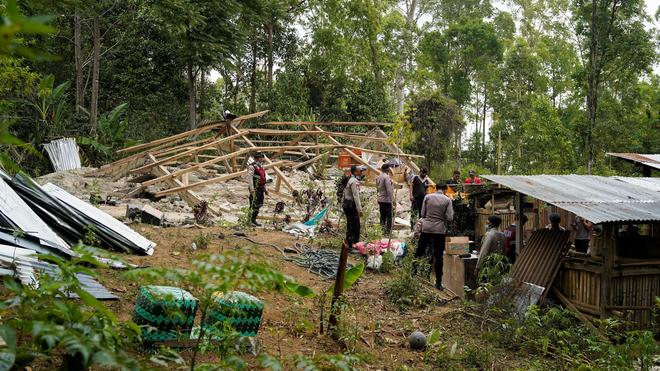
A powerful earthquake in Indonesia has killed 53 people and forced around 5,000 to evacuate, as aftershocks and landslides hamper rescue efforts.

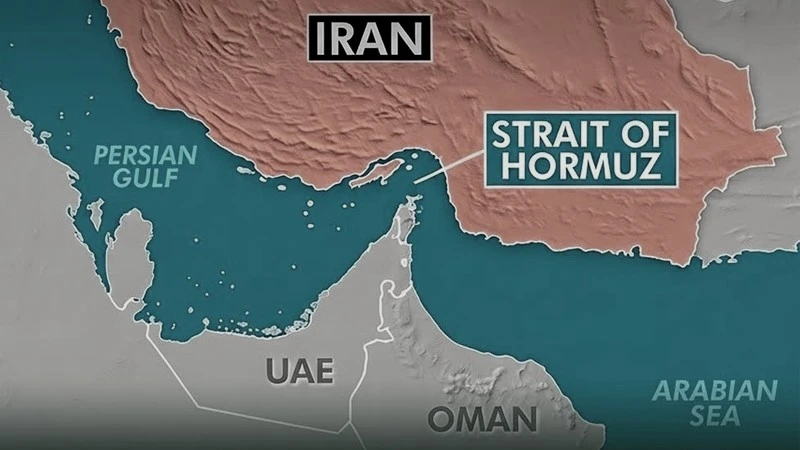
Iran, Oman and the U.S. are reportedly close to a Strait of Hormuz agreement tha...
.jpeg)
Fresh U.S. airstrikes in Iran reportedly killed 14 people, prompting Iranian ret...
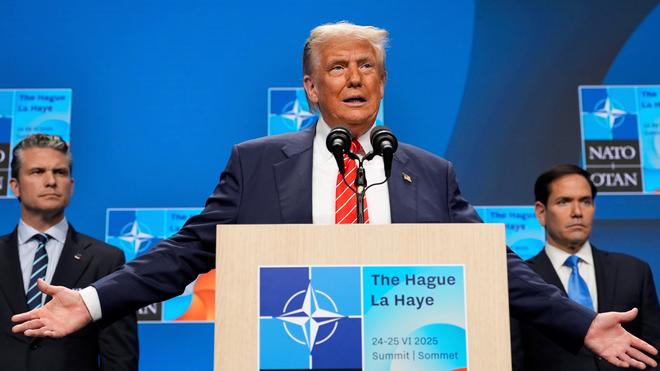
President Donald Trump claimed he is Iran’s “No. 1 target” after security measur...
.jpeg)
Three people were killed in U.S. strikes in western Iran as tensions escalated f...
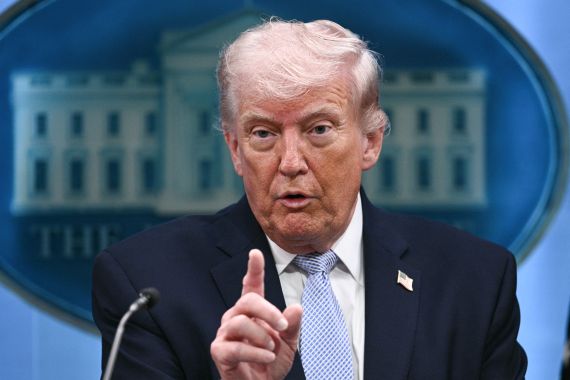
President Donald Trump said the Iran ceasefire is “over” following fresh U.S. st...