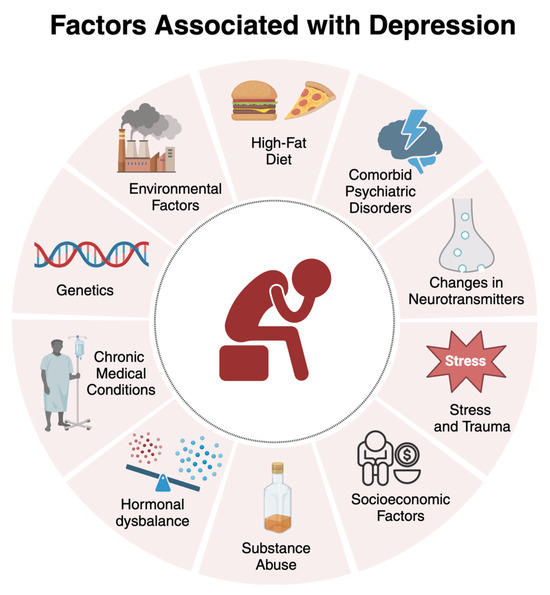
A new study has found that individuals with higher sensitivity traits may face increased risks of developing mental health challenges such as anxiety, stress, and depression. Researchers suggest that people who are more emotionally reactive or attuned to their surroundings often process experiences deeply, which can make them vulnerable to psychological strain.
The findings, published in a peer-reviewed psychology journal, highlight that sensitivity is not inherently negative. Highly sensitive individuals tend to show greater empathy, creativity, and awareness. However, the same heightened responsiveness can amplify the impact of negative experiences, leading to greater emotional exhaustion.
According to the study, environmental factors play a major role in determining how sensitivity influences well-being. Supportive social circles, positive work environments, and healthy coping strategies can help sensitive individuals thrive. Conversely, hostile surroundings or constant stress may increase the risk of burnout and mental health disorders.
Experts recommend early recognition of sensitivity traits, particularly in children and adolescents, to provide them with coping tools. Practices such as mindfulness, structured routines, and therapy sessions are known to reduce stress among highly sensitive people.
Mental health professionals stress that sensitivity should not be viewed as a weakness. Instead, when managed properly, it can be a strength that enhances interpersonal relationships, creativity, and problem-solving. The research calls for more awareness in workplaces, schools, and families to create supportive spaces for sensitive individuals.

.jpeg)
Donald Trump has again claimed credit for the India-Pakistan ceasefire as part o...
.jpeg)
Fresh U.S. airstrikes in Iran reportedly killed 14 people, prompting Iranian ret...
President Donald Trump claimed he is Iran’s “No. 1 target” after security measur...
.jpeg)
Three people were killed in U.S. strikes in western Iran as tensions escalated f...
President Donald Trump said the Iran ceasefire is “over” following fresh U.S. st...