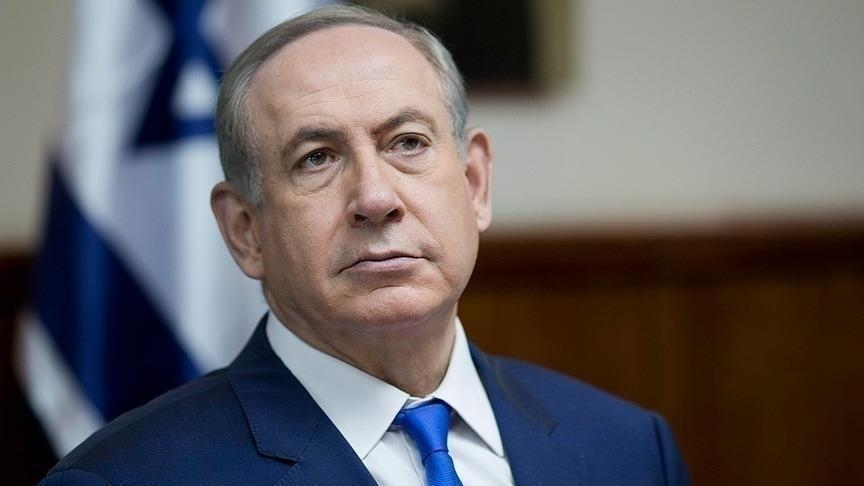
Jerusalem, August 25, 2025 — Israeli Prime Minister Benjamin Netanyahu on Monday issued a stern warning to Houthi rebels in Yemen after Israeli forces launched fresh strikes on their positions. Netanyahu said the Houthis were “paying a very heavy price” for targeting Israel and vowed that operations would continue until the group ceased its attacks.
The development comes amid escalating tensions in the Red Sea region, where Houthi forces have repeatedly launched drones and missiles at Israel and international shipping lanes. The Israeli Defense Forces (IDF) confirmed that its latest airstrikes targeted Houthi military infrastructure, including warehouses and launch pads. Officials said the strikes were carried out in coordination with regional partners to ensure freedom of navigation in the waters surrounding the Arabian Peninsula.
Netanyahu, addressing a press briefing, said Israel “will not tolerate threats to its security or to global trade routes.” He accused Iran of backing the Houthis and warned that Tehran’s involvement would “further destabilize the region.”
Meanwhile, Yemen’s Houthi-run media confirmed the airstrikes but claimed civilian areas were also affected, a charge Israel denied. Independent verification of the claims remains limited due to restricted access to conflict zones.
The United Nations has expressed concern over the rising hostilities, urging restraint on both sides and warning that continued escalation could worsen the humanitarian crisis in Yemen.
The U.S. and other Western nations have also called for de-escalation, emphasizing the need to protect Red Sea trade routes critical to global energy supplies.
.jpeg)
Trump cited India’s voter-ID system while backing the SAVE America Act, highlighting differences in voting rules between the two countries.
.jpeg)
A Russian missile strike hit Lakshmi Mittal-linked ArcelorMittal’s steel plant in Ukraine, killing two and injuring several others as the war escalates.
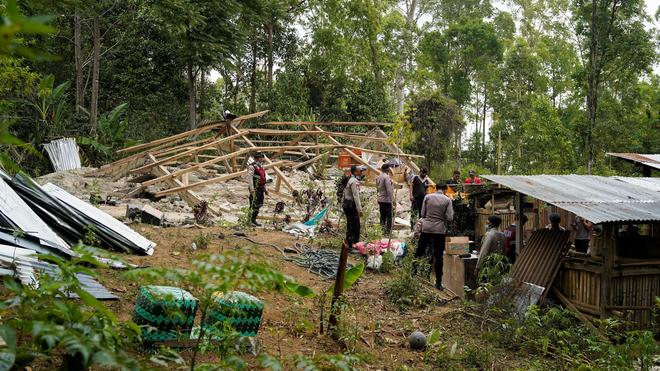
A powerful earthquake in Indonesia has killed 53 people and forced around 5,000 to evacuate, as aftershocks and landslides hamper rescue efforts.

Instagram Unveils New Logo After 10 Years
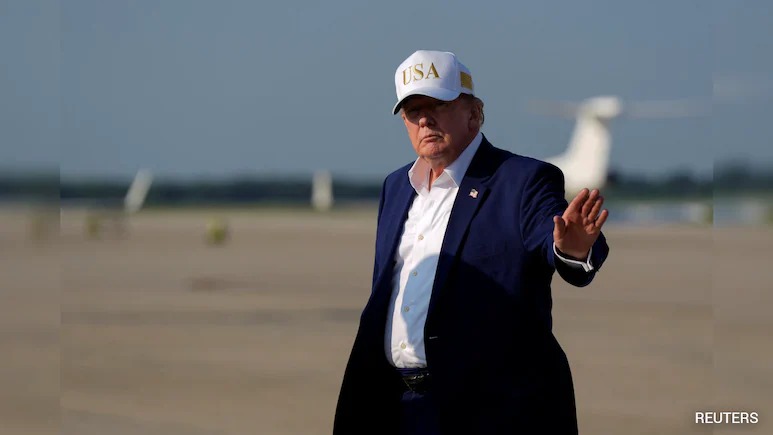
An unverified Israeli warning about an alleged Iranian plot against Trump reportedly triggered a secret jet switch in Turkey, highlighting heightened tensions and security concerns between Washington and Tehran.
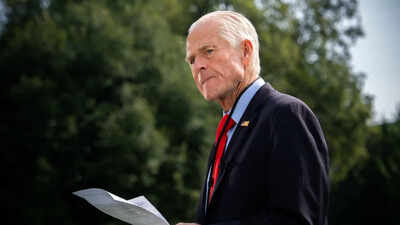
US officials say Trump-Modi ties remain strong despite the dispute over India’s Russian oil purchases and tariffs. Both sides are expected to keep negotiating for a trade compromise.

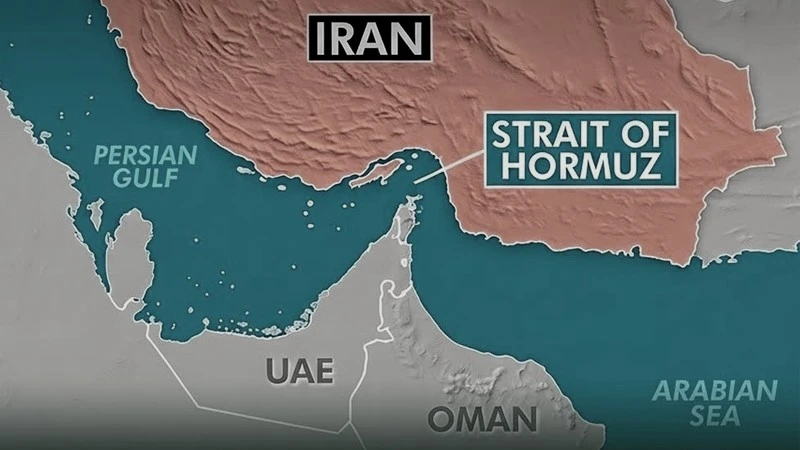
Iran, Oman and the U.S. are reportedly close to a Strait of Hormuz agreement tha...
.jpeg)
Fresh U.S. airstrikes in Iran reportedly killed 14 people, prompting Iranian ret...
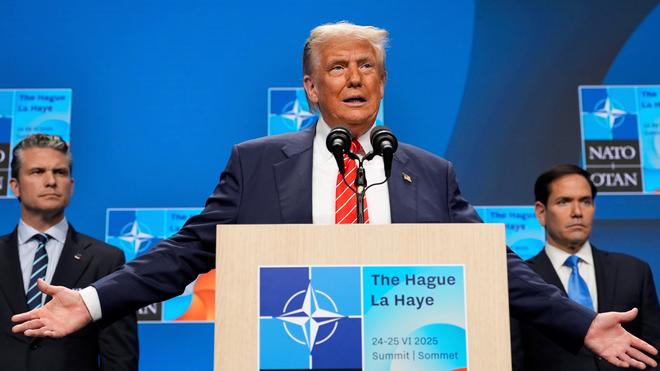
President Donald Trump claimed he is Iran’s “No. 1 target” after security measur...
.jpeg)
Three people were killed in U.S. strikes in western Iran as tensions escalated f...
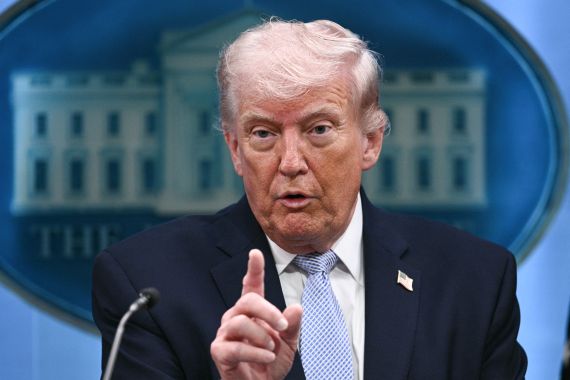
President Donald Trump said the Iran ceasefire is “over” following fresh U.S. st...