
Kathmandu, Sept 9 — The Government of Nepal recently blocked 26 major social media platforms, including Facebook, WhatsApp, Instagram, and X, after they failed to comply with new registration rules. However, TikTok avoided the ban as it had already fulfilled the government’s requirements earlier this year.
Under the new directive, all platforms were required to establish a liaison office in Nepal, appoint a local contact person, and agree to oversight on harmful or misleading content. While most global companies missed the deadline, TikTok completed the registration process and secured clearance to continue its operations.
The move gave TikTok a unique status in the country. As other platforms went offline, the app quickly became the primary channel for communication and mobilization, particularly among Nepal’s younger population. In recent days, TikTok has been used actively to organize protests against the broader social media restrictions, making it a focal point of both public expression and government scrutiny.
Officials said the regulation aimed to increase accountability and curb the spread of misinformation. Critics, however, argue that the selective ban disrupted communication, limited free expression, and gave TikTok disproportionate influence in the digital space.
The contrasting outcomes highlight how compliance with local laws determined the survival of platforms in Nepal’s digital landscape. While TikTok remained operational, other popular apps lost their reach, creating a major shift in the way citizens connect and voice their opinions.
.jpeg)
Trump cited India’s voter-ID system while backing the SAVE America Act, highlighting differences in voting rules between the two countries.
.jpeg)
A Russian missile strike hit Lakshmi Mittal-linked ArcelorMittal’s steel plant in Ukraine, killing two and injuring several others as the war escalates.
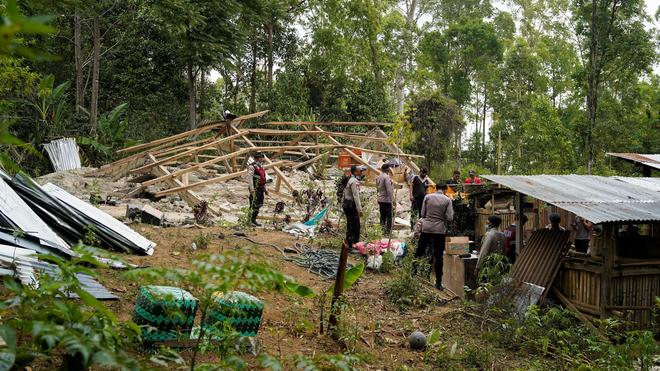
A powerful earthquake in Indonesia has killed 53 people and forced around 5,000 to evacuate, as aftershocks and landslides hamper rescue efforts.

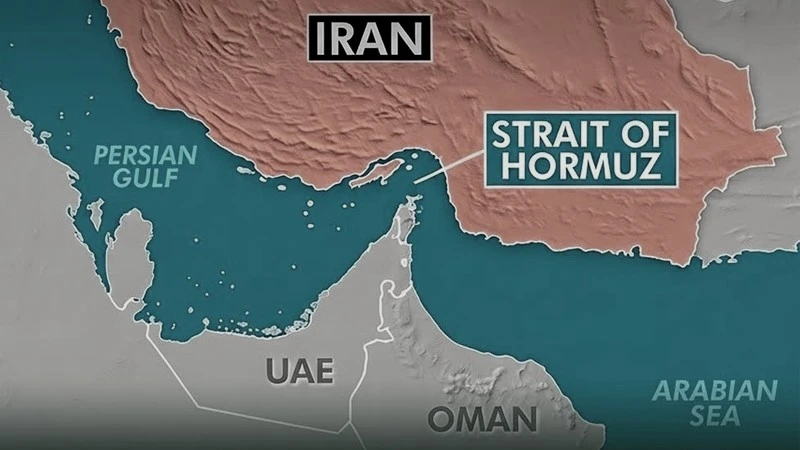
Iran, Oman and the U.S. are reportedly close to a Strait of Hormuz agreement tha...
.jpeg)
Fresh U.S. airstrikes in Iran reportedly killed 14 people, prompting Iranian ret...
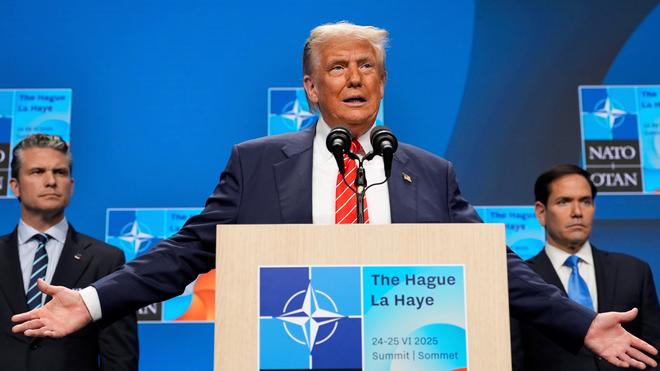
President Donald Trump claimed he is Iran’s “No. 1 target” after security measur...
.jpeg)
Three people were killed in U.S. strikes in western Iran as tensions escalated f...
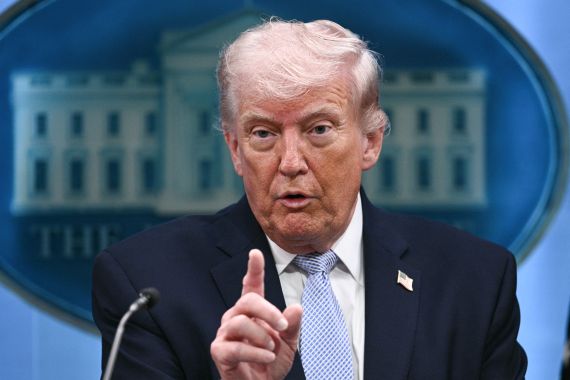
President Donald Trump said the Iran ceasefire is “over” following fresh U.S. st...