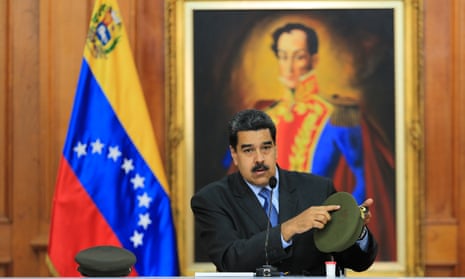
Desk Correspondent , Venezuela - Following the dramatic capture of Nicolás Maduro by U.S. forces, a fierce global debate has ignited over whether the action constitutes a lawful arrest or an act of international kidnapping. While the U.S. administration, led by President Donald Trump, justifies the mission as a necessary step to bring a "wanted narcoterrorist" to justice, legal scholars and international organizations are pointing to potential violations of the United Nations Charter. The central question remains: does a domestic arrest warrant from one country allow it to launch a military raid into a sovereign nation to seize its sitting leader?
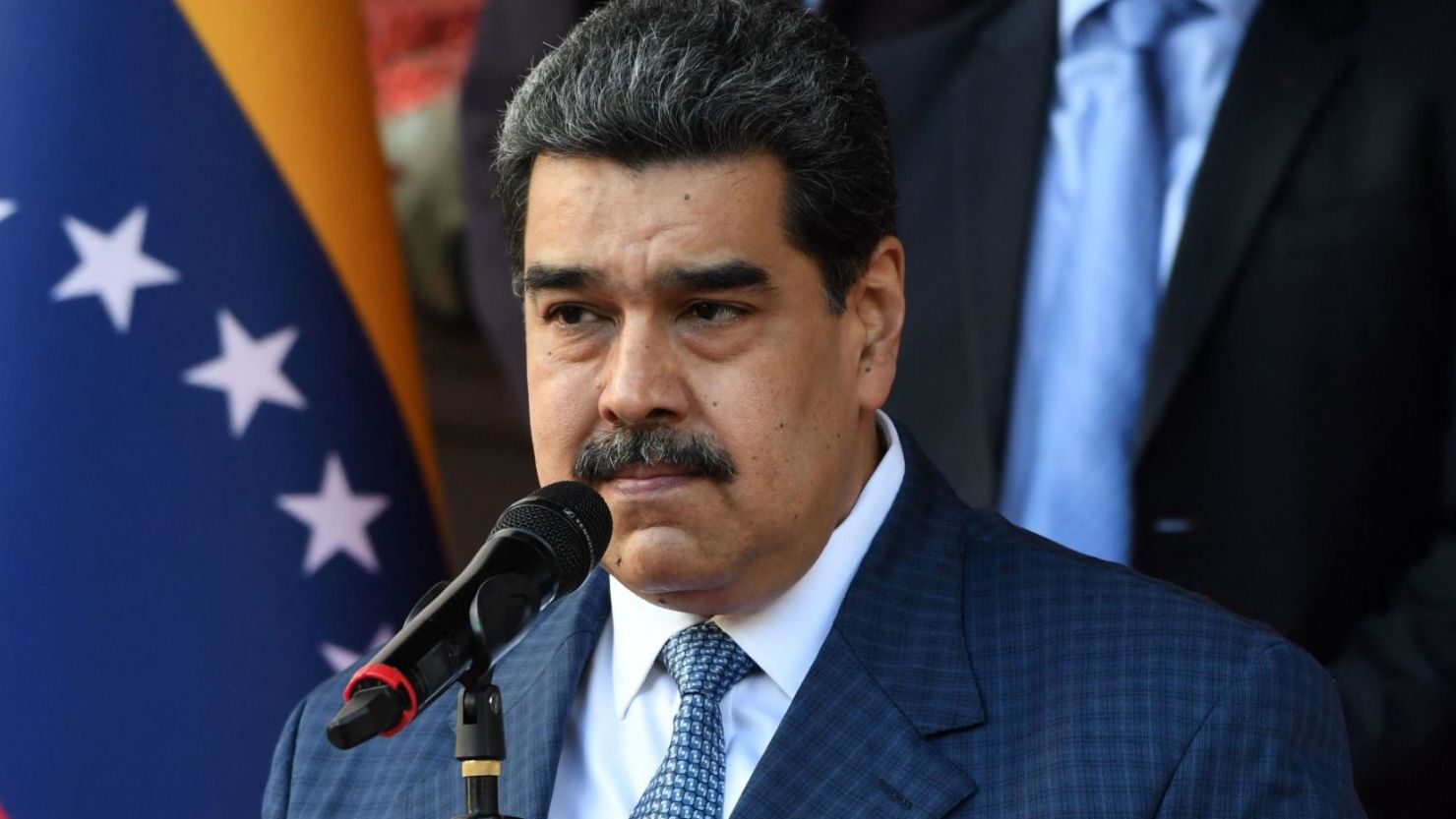
Under the UN Charter, the principle of national sovereignty generally prohibits one state from using force on the territory of another without consent or a mandate from the Security Council. Critics argue that by entering Caracas to detain Maduro, the U.S. has bypassed international legal norms, setting a precedent that could be viewed as "state-sponsored abduction." However, U.S. officials argue that because they do not recognize Maduro’s government as legitimate, the traditional protections of sovereign immunity do not apply to him. They maintain that the operation was a law enforcement action executed under a federal indictment.
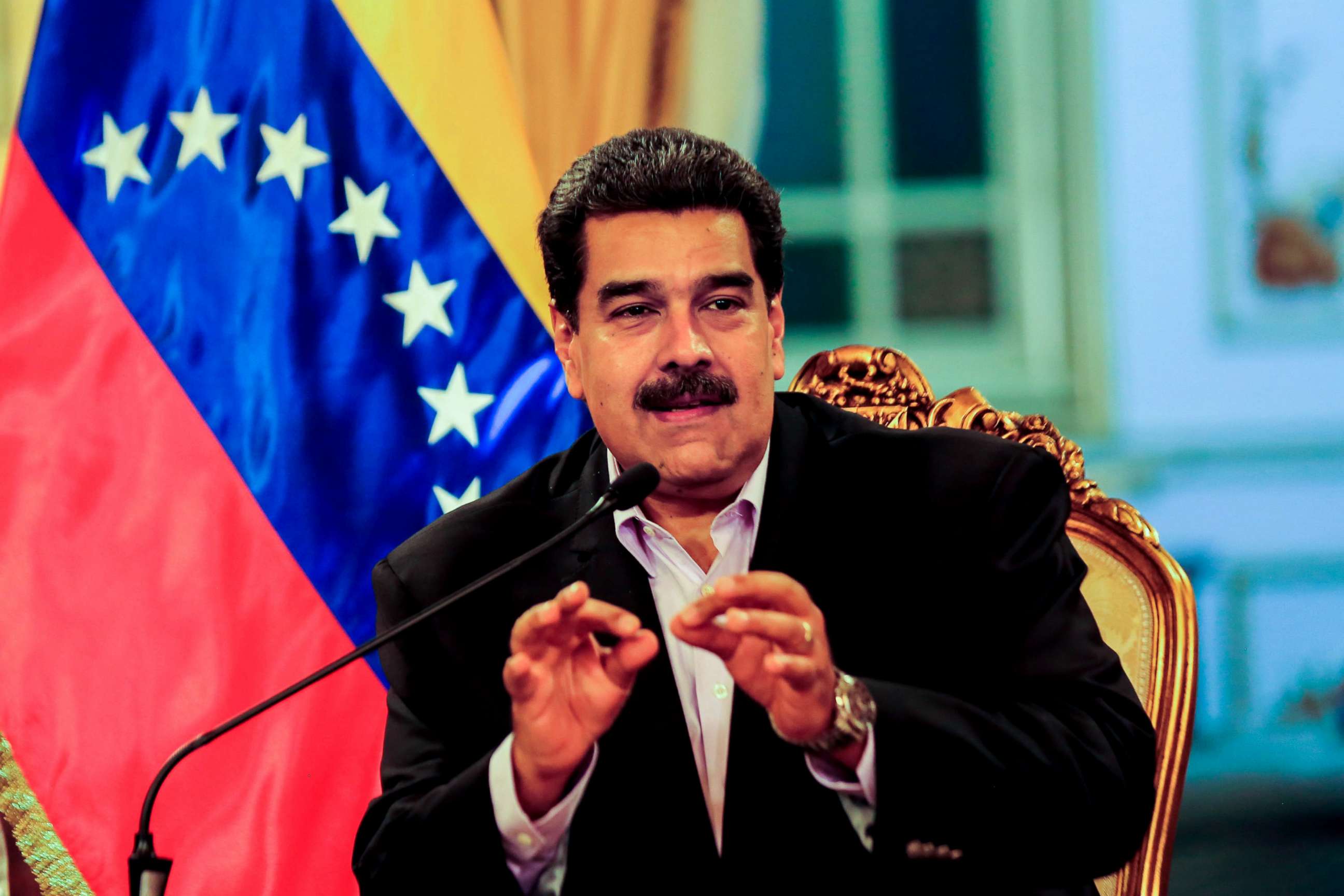
The outcome of this debate will likely have long-lasting effects on international relations. If the capture is deemed legal, it may embolden other nations to take similar cross-border actions against leaders they consider criminals. Conversely, if condemned by the UN, the U.S. could face diplomatic sanctions or intense pressure from the International Criminal Court (ICC). As Maduro prepares for his trial on American soil, the world’s top legal minds are now dissecting the thin line between global justice and the violation of international boundaries.
.jpeg)
Iran has warned the conflict could widen if U.S. strikes resume, as a pause in fighting raises cautious hopes for de-escalation.
.jpeg)
The Houthis claimed a missile strike on Saudi Arabia’s Jizan as the U.S. disabled a tanker allegedly attempting to breach its Iran blockade, even as Trump said talks with Tehran remain serious.
.jpeg)
Donald Trump said it is “not yet time” for a deal with Iran, signalling that negotiations will continue despite ongoing tensions.
.jpeg)
Bangladesh President Mohammad Shahabuddin has reportedly resigned amid rising political tensions and reports of Sheikh Hasina’s planned return.

A UK inquest has ruled that Saudi Prince Abdullah bin Fahad bin Abdullah bin Abdulaziz bin Jalawi Al Saud died accidentally from a combination of alcohol, GHB and prescription medication.
The U.S. launched its 13th consecutive night of strikes on Iranian military targets, while President Donald Trump warned Tehran would “pay” for recent attacks on commercial shipping.
The Trump administration has introduced new 10%–12.5% tariffs on imports from 60 trading partners, citing forced-labor concerns as temporary U.S. tariffs expire.
.jpeg)
The U.S. and Saudi Arabia have signed a civilian nuclear cooperation agreement, paving the way for long-term nuclear energy collaboration while emphasizing nonproliferation safeguards.
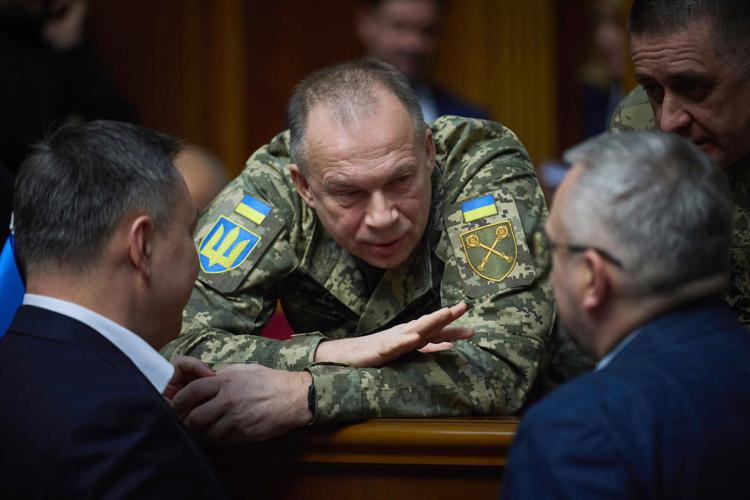
Ukrainian President Volodymyr Zelenskyy has appointed Mykhailo Drapatyi as the new army chief, replacing Oleksandr Syrskyi following protests over military leadership and reform.
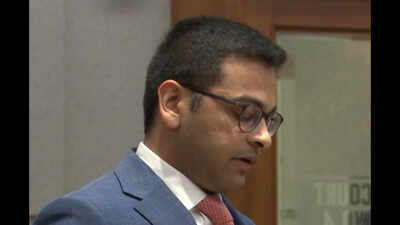
An Indian-origin doctor in Ohio has been sentenced to six months in prison for secretly recording hospital staff in a restroom, after pleading guilty to voyeurism and evidence tampering.
.jpeg)
Pakistan has reportedly sought a $10 billion U.S. exchange stabilisation facility to strengthen its foreign exchange reserves, support the rupee, and ease pressure on its struggling economy.
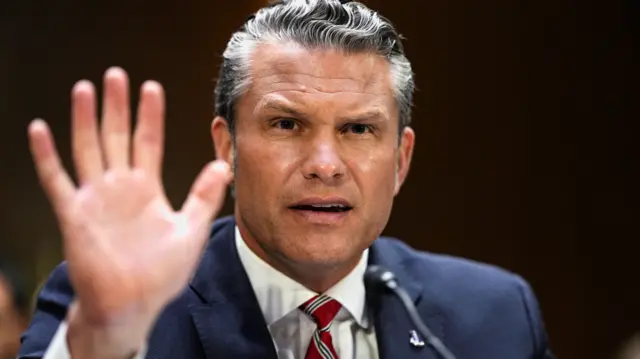
U.S. Defence Secretary Pete Hegseth said the conflict with Iran has cost the U.S. about $37.5 billion, as American strikes entered their 11th consecutive day.
.jpeg)
A reported Houthi blockade targeting Saudi-linked shipping in the Red Sea could disrupt oil exports, raise shipping costs, and increase pressure on global energy markets.
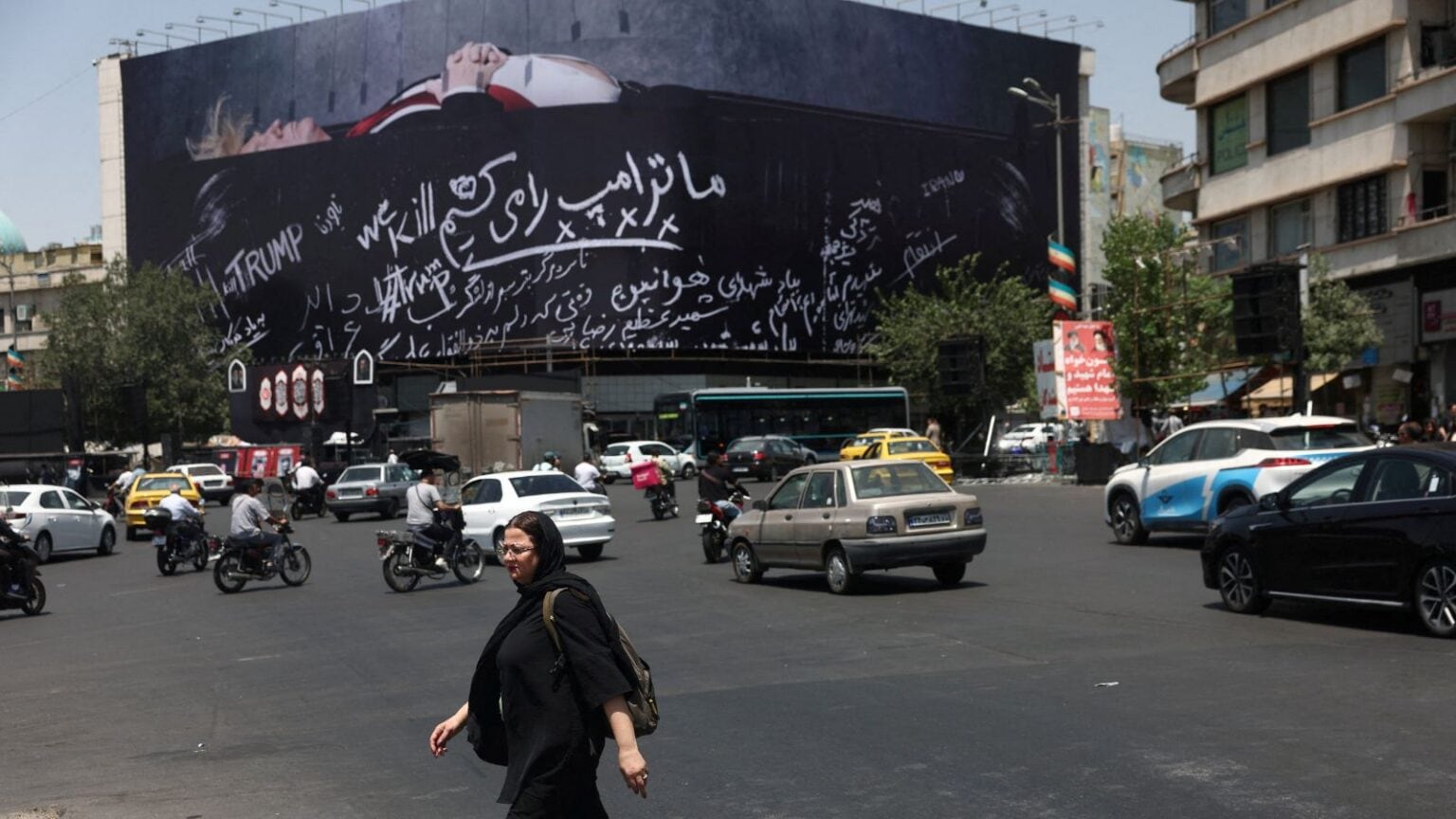
Iran says it targeted U.S.-linked sites in Bahrain and Kuwait after fresh American strikes on southern Iran, further escalating tensions across the Gulf and the Strait of Hormuz.
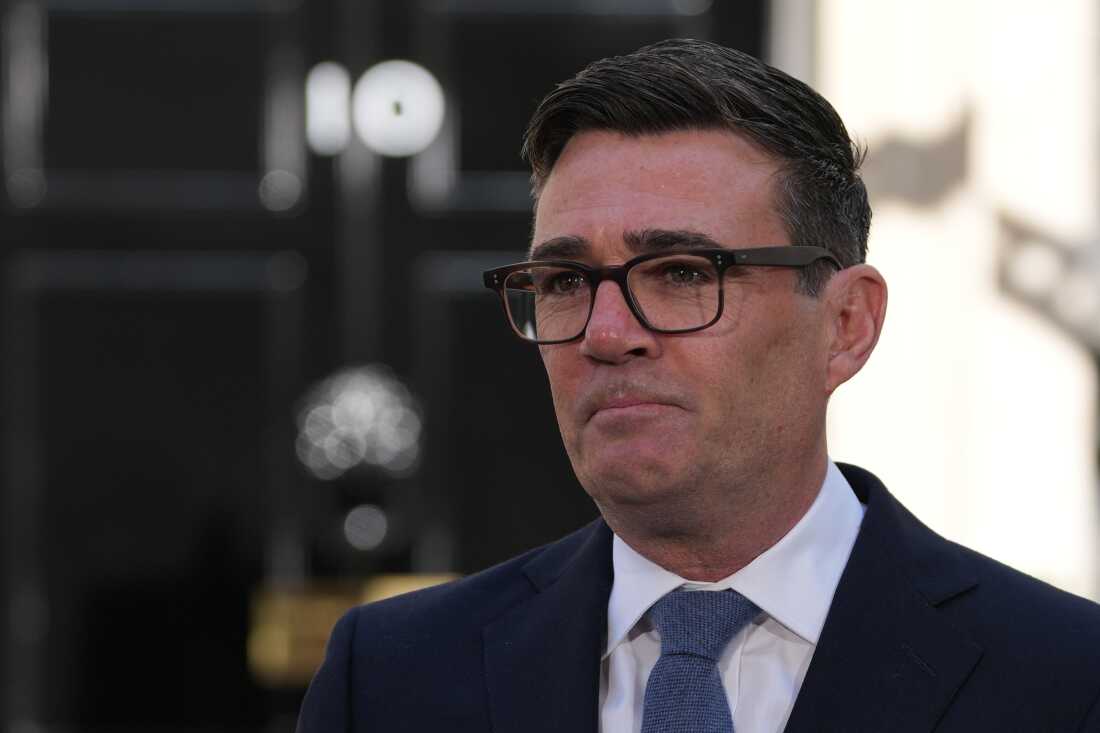
Andy Burnham has been sworn in as the U.K.'s new Prime Minister, promising a new social and political model focused on stability, fairness and long-term reform.

.jpeg)
Donald Trump has again claimed credit for the India-Pakistan ceasefire as part o...
.jpeg)
Fresh U.S. airstrikes in Iran reportedly killed 14 people, prompting Iranian ret...
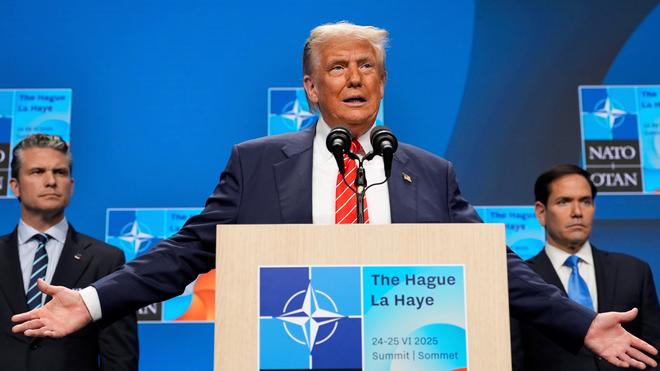
President Donald Trump claimed he is Iran’s “No. 1 target” after security measur...
.jpeg)
Three people were killed in U.S. strikes in western Iran as tensions escalated f...
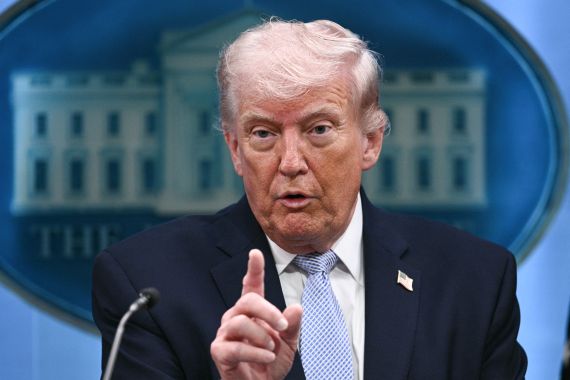
President Donald Trump said the Iran ceasefire is “over” following fresh U.S. st...