.png)
Desk Correspondent , Kolkata - Every year on the 21st of February, Bangladesh and states like West Bengal in India celebrate Vasha Dibosh—Language Martyrs’ Day or International Mother Language Day—with deep respect, cultural events and remembrance of a defining moment in world history.
Significance of Vasha Dibosh
The day holds the baggage of history; the only mass movement in world history sparked over recognition of a language. In 1952, in Dhaka (then a part of East Pakistan), young students took to the streets after leaders tried to make Urdu the one true language. Most folks spoke Bengali at home, yet those in power turned away from it completely. That day in 1952 saw bullets cut through crowds; among the fallen were students now called shaheeds. Because they gave everything, the land can never forget the cry of the people. Their sacrifice eventually forced the state to recognise Bengali as an official language.
Out of that long fight came a strong sense of who the Bengalis were; slowly, it fed into the uprising of the Liberation War of 1971. That war opened the way for Bangladesh to emerge on its own and build a language that has remained at the heart of how people see themselves.
Global Recognition
In 1999, Bangladesh proposed that the world perceive 21st February as International Mother Language Day. UNESCO approved it, and in 2000, it was celebrated globally for the first time to promote linguistic diversity and cultural heritage. Today, countries across continents participate in educational events, poetry readings, and cultural exchanges on this date.
The Bengali language is one of the top languages throughout the world and has around 230 million native speakers and thousands more living in different places across the globe. The last couple of years have seen Bangla adopted as a non-official UN language when the UN General Assembly passed a resolution supported by the Indian representative. In 2024, the Indian government gave Bengali the status of a classical language due to its vast body of literature and cultural/historical legacy.
Where does the language stand now? What is the future of Bengali?
Although the language Bengali has successfully achieved its globalrecognition, the regional and indigenous languages in Bangladesh and India face neglect. Voices are raised for strong language policies to support minority tongues so they do not lose their identity amid the dominance of other languages. Efforts include community education, digital archiving and inclusion of languages in curricula.
During the early 2000s, Bengali, even among the people who share the common Bengali roots and dialects, was not 'cool enough.' The Western influence was so high that speaking in one's respective mother tongue without using a single word in English would be a moment of doubting one's academic excellence. The future of Bangla is tied to both heritage and innovation.
But for a change, the younger seems to have understood the importance and presence of the Bengali language to some extent. They are building new digital platforms based on the use of Artificial Intelligence (AI) to develop new translation models and provide online content to make the Bangla Language more usable in today's digital world. Many researchers are engaged in studying applications associated with machine translation and the ability to translate regional dialects to promote the social and technological sustainability of the Bangla language.
Vasha Dibosh stands strong where many initiatives fade. Though countless languages make their place, this one speaks beyond borders. It carries more than phrases—history reflects through its syllables. Culture lives in how it's spoken, not just what is conventionally said. A language that speaks the words of love and emotion across borders.
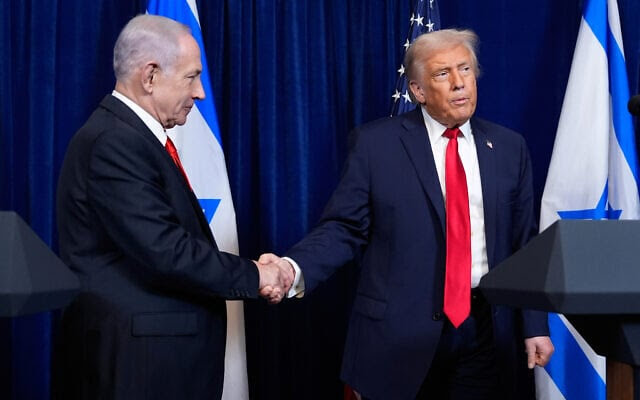
Mediators say a U.S.-Iran breakthrough may be near as Donald Trump prepares to meet Benjamin Netanyahu to discuss the next steps.
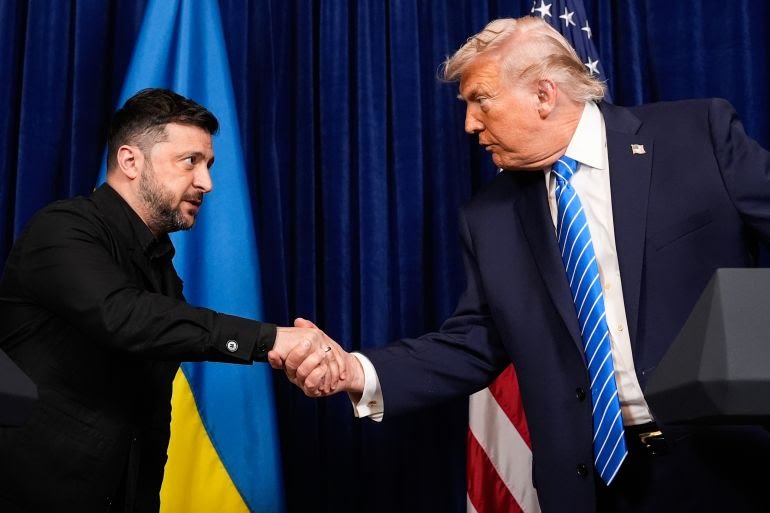
Ukrainian President Volodymyr Zelenskyy is set to meet Donald Trump as the Ukraine war and rising Iran tensions increasingly overlap.

A powerful 7.1-magnitude earthquake struck Japan’s Kumamoto prefecture, injuring several people, damaging buildings and triggering a tsunami warning.
Donald Trump dismissed Benjamin Netanyahu’s objections to a possible U.S. F-35 fighter jet sale to Turkey, saying America alone decides its defence deals.
.jpeg)
Donald Trump said there is a “good chance” of progress in Iran talks, despite Tehran denying any formal negotiations.
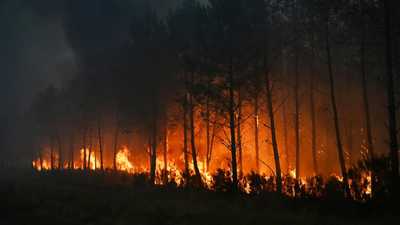
Wildfires in France and Spain have forced around 320,000 people to evacuate, as firefighters battle worsening conditions and intense heat.
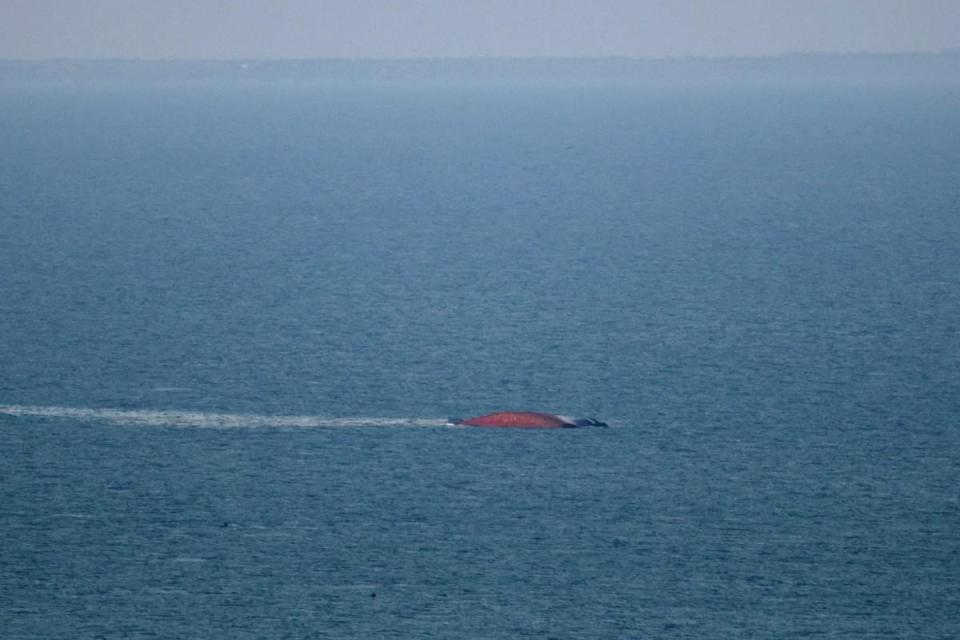
Iran warned of “unforeseen consequences” after accusing Ukraine of attacking an Iranian vessel in the Caspian Sea, killing one sailor.

Three people were killed and several others injured in a mass shooting at Seattle's Bite of Seattle food festival. Police have detained one suspect as the investigation continues.
.jpeg)
France and Spain face worsening wildfires as extreme heat and strong winds fuel the blazes. Authorities warn of difficult hours ahead as firefighters battle to contain the fires.
.jpeg)
Iran has paused retaliatory strikes after the U.S. halted fresh attacks, giving diplomacy a chance and easing pressure on global oil markets.
.jpeg)
Iran has warned the conflict could widen if U.S. strikes resume, as a pause in fighting raises cautious hopes for de-escalation.
.jpeg)
The Houthis claimed a missile strike on Saudi Arabia’s Jizan as the U.S. disabled a tanker allegedly attempting to breach its Iran blockade, even as Trump said talks with Tehran remain serious.
.jpeg)
Donald Trump said it is “not yet time” for a deal with Iran, signalling that negotiations will continue despite ongoing tensions.
.jpeg)
Bangladesh President Mohammad Shahabuddin has reportedly resigned amid rising political tensions and reports of Sheikh Hasina’s planned return.

A UK inquest has ruled that Saudi Prince Abdullah bin Fahad bin Abdullah bin Abdulaziz bin Jalawi Al Saud died accidentally from a combination of alcohol, GHB and prescription medication.

.jpeg)
Donald Trump has again claimed credit for the India-Pakistan ceasefire as part o...
.jpeg)
Fresh U.S. airstrikes in Iran reportedly killed 14 people, prompting Iranian ret...
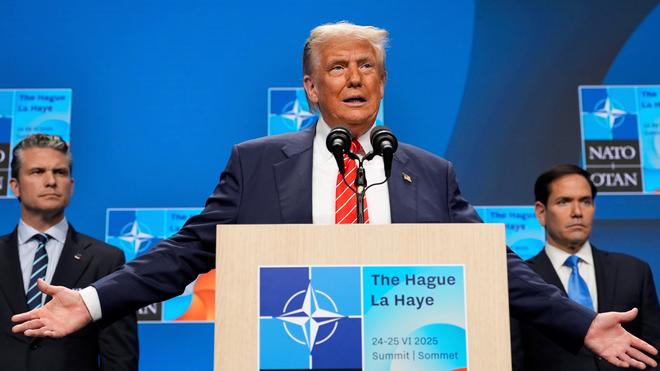
President Donald Trump claimed he is Iran’s “No. 1 target” after security measur...
.jpeg)
Three people were killed in U.S. strikes in western Iran as tensions escalated f...
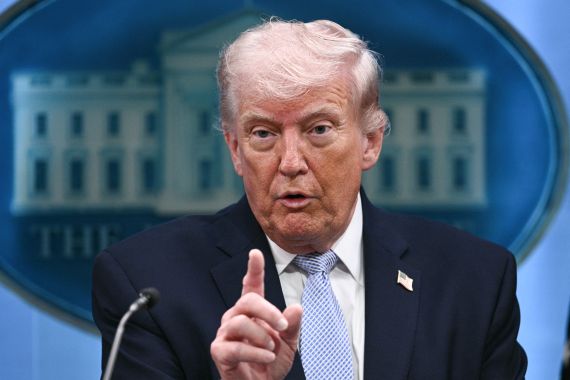
President Donald Trump said the Iran ceasefire is “over” following fresh U.S. st...