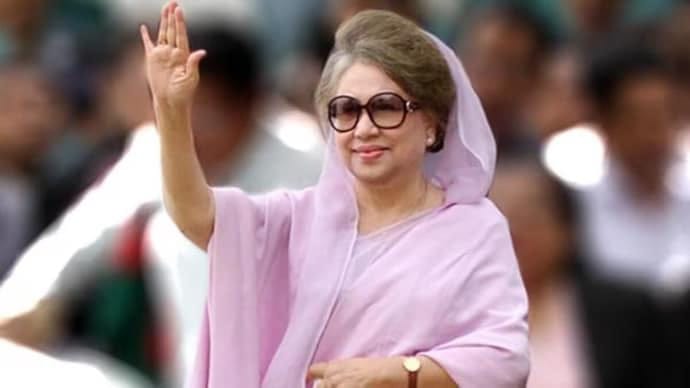
Desk Correspondent , Dhaka - On December 30, 2025, Bangladesh’s first female Prime Minister, Begum Khaleda Zia, passed away at age 80. The BNP chairperson died at 6:00 a.m. at Dhaka’s Evercare Hospital following a month-long battle with complex health issues, including liver cirrhosis and pneumonia. Her passing marks the end of a political era, prompting three days of national mourning and tributes from global leaders who recognized her as a defining figure in South Asian history.
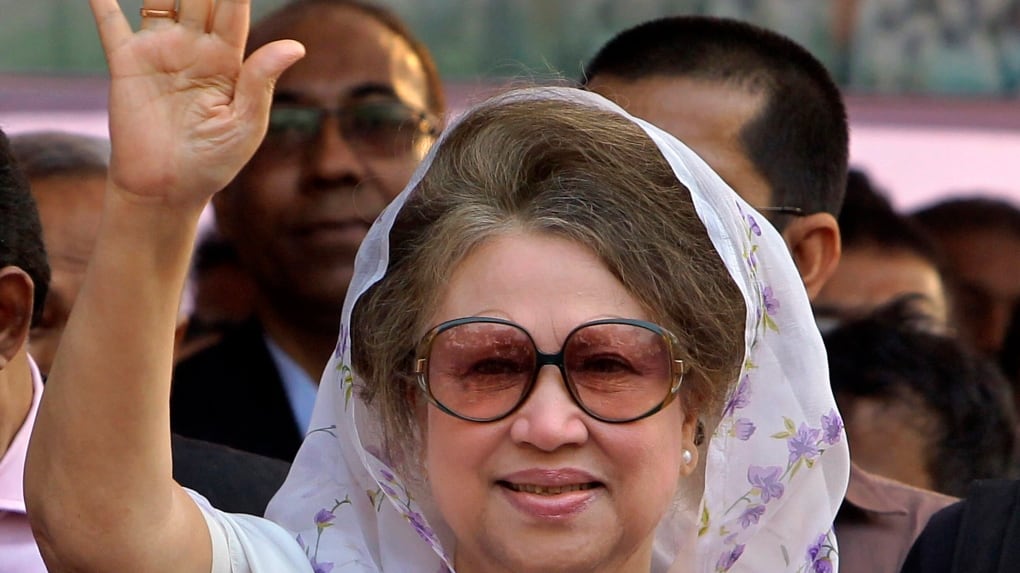
Before becoming the "uncompromising leader" who dominated Bangladeshi politics for four decades, Khaleda Zia’s journey began in a far more reserved setting. She was born Khaleda Khanam Putul on August 15, 1945, in Jalpaiguri (then part of British India). Her family migrated to Dinajpur following the 1947 Partition, where she grew up as the third of five children in a family known locally as the "Tea Family." In 1960, while still a student, she married a young, charismatic army officer named Ziaur Rahman. For the first two decades of her adult life, she lived as a devoted housewife and mother to two sons, largely staying in the shadow of her husband as he rose to become the President of Bangladesh.
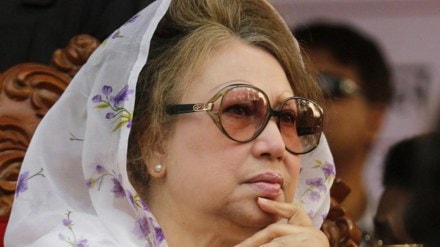
The pivot from domestic life to political titan was born of tragedy. Following her husband’s assassination in 1981, Khaleda was thrust into the leadership of the BNP to prevent the party from fracturing. She spent the 1980s on the front lines of street protests against military rule, eventually making history in 1991 as the country's first woman Prime Minister. Over three separate terms, she oversaw the transition to a parliamentary democracy and spearheaded massive educational reforms for girls. Though her later years were defined by a bitter rivalry with Sheikh Hasina and a decade of legal battles and house arrest, her release in late 2024 allowed her to witness her party’s resurgence one last time. From her birth in the twilight of the British Raj to her death as a national guardian, Khaleda Zia’s life mirrored the turbulent, resilient spirit of Bangladesh itself.
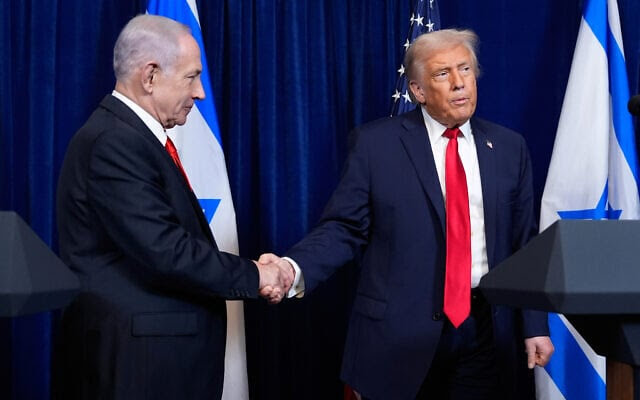
Mediators say a U.S.-Iran breakthrough may be near as Donald Trump prepares to meet Benjamin Netanyahu to discuss the next steps.
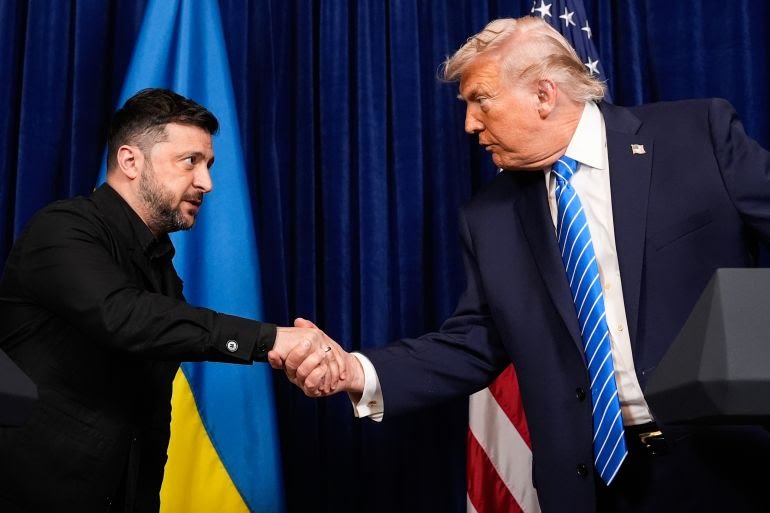
Ukrainian President Volodymyr Zelenskyy is set to meet Donald Trump as the Ukraine war and rising Iran tensions increasingly overlap.

A powerful 7.1-magnitude earthquake struck Japan’s Kumamoto prefecture, injuring several people, damaging buildings and triggering a tsunami warning.
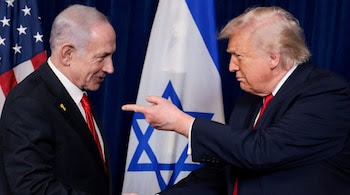
Donald Trump dismissed Benjamin Netanyahu’s objections to a possible U.S. F-35 fighter jet sale to Turkey, saying America alone decides its defence deals.
.jpeg)
Donald Trump said there is a “good chance” of progress in Iran talks, despite Tehran denying any formal negotiations.
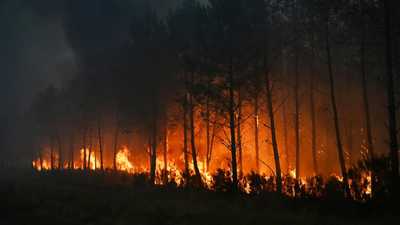
Wildfires in France and Spain have forced around 320,000 people to evacuate, as firefighters battle worsening conditions and intense heat.
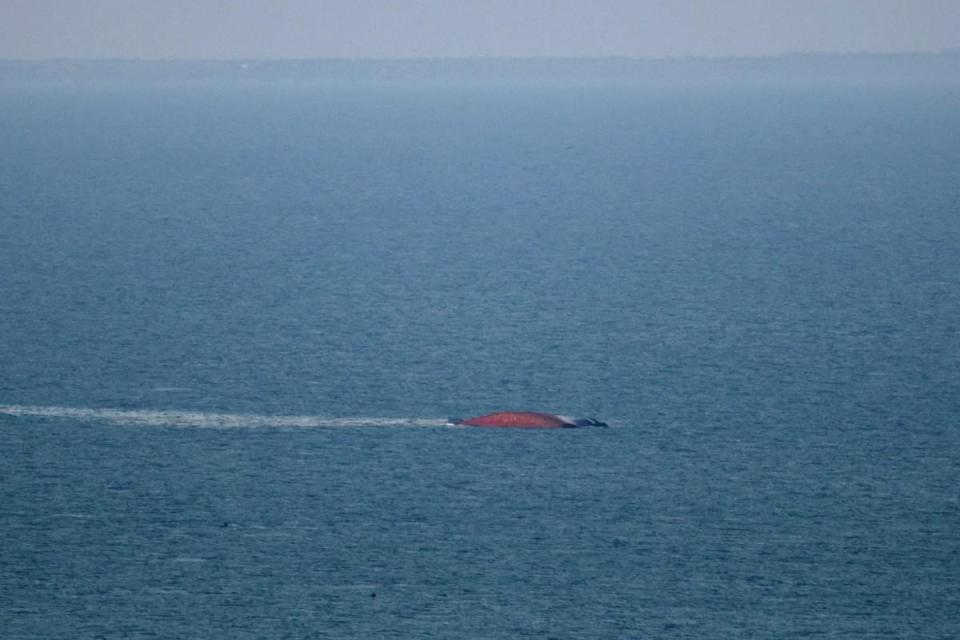
Iran warned of “unforeseen consequences” after accusing Ukraine of attacking an Iranian vessel in the Caspian Sea, killing one sailor.

Three people were killed and several others injured in a mass shooting at Seattle's Bite of Seattle food festival. Police have detained one suspect as the investigation continues.
.jpeg)
France and Spain face worsening wildfires as extreme heat and strong winds fuel the blazes. Authorities warn of difficult hours ahead as firefighters battle to contain the fires.
.jpeg)
Iran has paused retaliatory strikes after the U.S. halted fresh attacks, giving diplomacy a chance and easing pressure on global oil markets.
.jpeg)
Iran has warned the conflict could widen if U.S. strikes resume, as a pause in fighting raises cautious hopes for de-escalation.
.jpeg)
The Houthis claimed a missile strike on Saudi Arabia’s Jizan as the U.S. disabled a tanker allegedly attempting to breach its Iran blockade, even as Trump said talks with Tehran remain serious.
.jpeg)
Donald Trump said it is “not yet time” for a deal with Iran, signalling that negotiations will continue despite ongoing tensions.
.jpeg)
Bangladesh President Mohammad Shahabuddin has reportedly resigned amid rising political tensions and reports of Sheikh Hasina’s planned return.

A UK inquest has ruled that Saudi Prince Abdullah bin Fahad bin Abdullah bin Abdulaziz bin Jalawi Al Saud died accidentally from a combination of alcohol, GHB and prescription medication.

.jpeg)
Donald Trump has again claimed credit for the India-Pakistan ceasefire as part o...
.jpeg)
Fresh U.S. airstrikes in Iran reportedly killed 14 people, prompting Iranian ret...
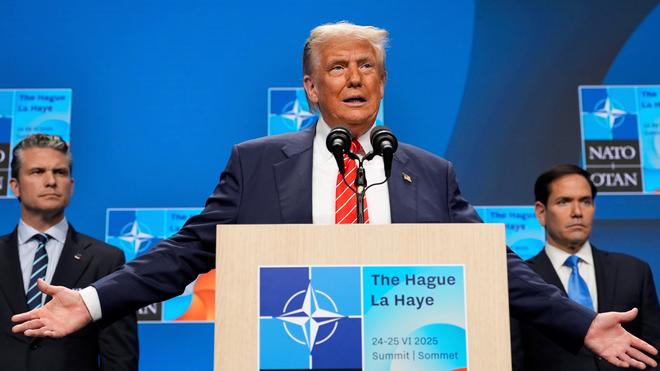
President Donald Trump claimed he is Iran’s “No. 1 target” after security measur...
.jpeg)
Three people were killed in U.S. strikes in western Iran as tensions escalated f...
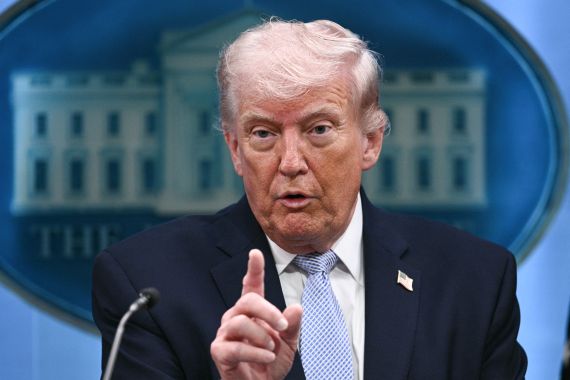
President Donald Trump said the Iran ceasefire is “over” following fresh U.S. st...