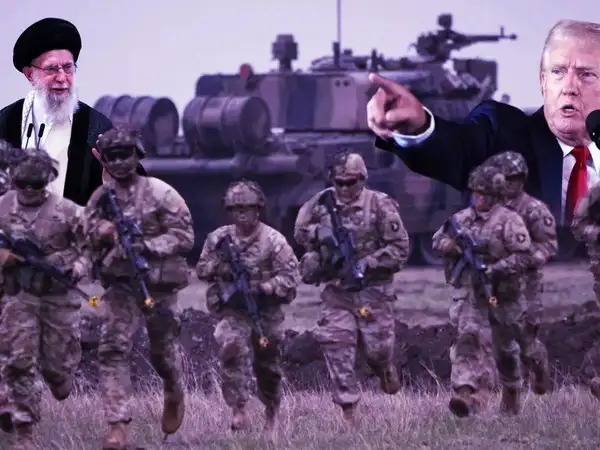
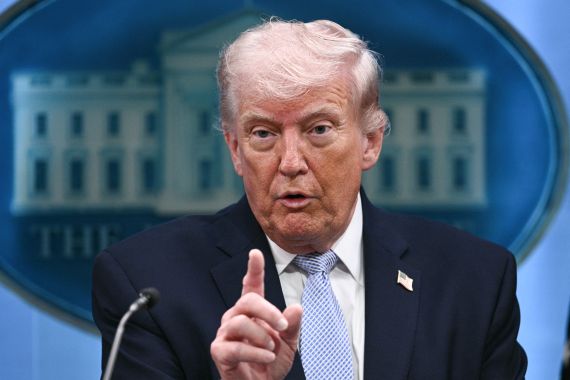
Desk Correspondent , The United States - The U.S.-Iran tensions have escalated dramatically to the point that there is now a likelihood of a military conflict between those two nations—this has been fueled by the U.S. preparing for an air attack against Iran as early as this weekend. President Donald Trump is currently considering signing off on such an attack on Iran or delaying it, depending upon his advisers’ recommendations.
Military and diplomatic sources in the U.S. have confirmed that the U.S. has initiated its largest troop and weapon build-up in the Middle East since the 2003 invasion of Iraq, which includes aircraft carriers, destroyers, and many advanced fighter jets (including F-35, F-22, and F-16) being sent there.
An enormous force buildup is taking place now, while indirect negotiations with Iran on nuclear weapons are taking place in Geneva, and while signals from both sides are contradictory. The U.S. government states that it wishes to settle this issue diplomatically but that military action is still an option, while President Trump and his senior advisers have clearly indicated that military action would occur if Iran does not meet certain requirements from the U.S. on its nuclear weapons program.
Iran’s supreme leader, Ayatollah Khamenei, has been issuing some of his most forceful statements against the United States recently. According to Khamenei’s statements, an attack against Iran would create a flood of uprisings across the region in the implementation of a “regional war.” Khamenei has also accused the United States of exploiting domestic unrest in Iran to justify the United States’ use of pressure against Iran.
Iran's plan contains two strategies. First, the country is to strengthen its military and nuclear facilities, as evidenced by recent satellite images. Second, remaining in symbolic action, Iran has temporarily closed the Strait of Hormuz, which serves as the transit point for approximately 20% of all oil shipments throughout the world.
Already, the world is reacting. Oil prices rose dramatically as a result of traders calculating the risk of an expanded conflict with Iran, bringing other Middle Eastern countries into the fight. While there is increased tension, the government of President Trump has stated that they would consider a military response as a last resort and that a negotiated solution to the current crisis may still be possible. World leaders are closely monitoring the situation in the Middle East and are calling for restraint from all parties involved.
Ultimately, the world is at a tipping point with respect to military force, diplomacy, and the continued stability of the world's energy needs as they relate to the relationship between the United States and the government of Iran.
.jpeg)
Trump cited India’s voter-ID system while backing the SAVE America Act, highlighting differences in voting rules between the two countries.
.jpeg)
A Russian missile strike hit Lakshmi Mittal-linked ArcelorMittal’s steel plant in Ukraine, killing two and injuring several others as the war escalates.
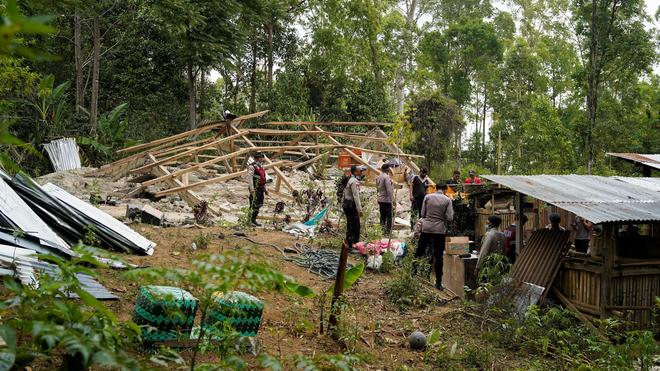
A powerful earthquake in Indonesia has killed 53 people and forced around 5,000 to evacuate, as aftershocks and landslides hamper rescue efforts.

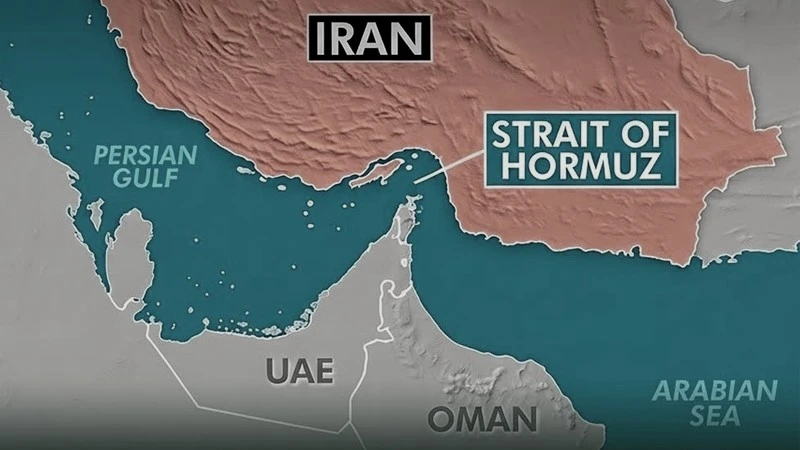
Iran, Oman and the U.S. are reportedly close to a Strait of Hormuz agreement tha...
.jpeg)
Fresh U.S. airstrikes in Iran reportedly killed 14 people, prompting Iranian ret...
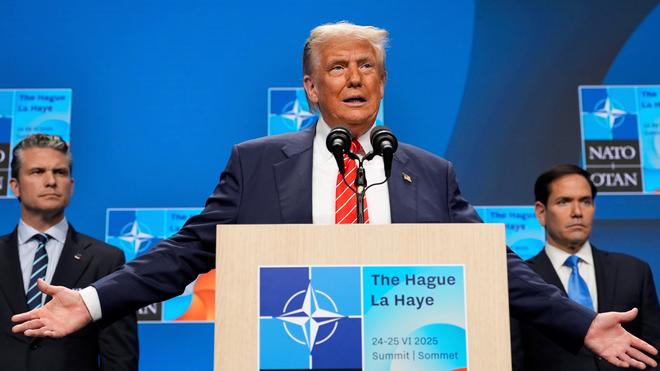
President Donald Trump claimed he is Iran’s “No. 1 target” after security measur...
.jpeg)
Three people were killed in U.S. strikes in western Iran as tensions escalated f...
President Donald Trump said the Iran ceasefire is “over” following fresh U.S. st...