.jpg)
Swapna Kumbar , Bengaluru - The fight for independence took many forms, a secret radio signal crackling through the airwaves, a teenage spiritual leader rallying her people, a rebellion decades ahead of its time. In this third installment, we travel to five more states to meet the men and women who resisted colonial rule in their own extraordinary ways.
Maharashtra: Usha Mehta and the Secret Voice of Congress Radio
When the British clamped down on news and communication during the Quit India Movement of 1942, a 22-year-old college student named Usha Mehta refused to let the movement go silent. She helped set up and operate the underground Congress Radio, broadcasting messages from the Indian National Congress, updates on the movement, and calls to action all from secret, constantly shifting locations to evade British detection. The station ran for nearly three months before being tracked down, and Mehta was arrested and imprisoned. Her clandestine broadcasts kept the spirit of resistance alive at a time when the British had gone to extraordinary lengths to control the narrative.
Manipur / Nagaland: Rani Gaidinliu, the Teenage Spiritual Rebel
At just 13 years old, Rani Gaidinliu joined the Heraka movement, a spiritual and political resistance led by her cousin Haipou Jadonang against British rule in the Naga Hills. After Jadonang's execution, Gaidinliu — still only a teenager took up leadership of the movement herself, blending religious revival with anti-colonial resistance and inspiring local tribes to resist British authority. She was captured and imprisoned for over a decade, but continued to be a symbol of defiance throughout her incarceration. Jawaharlal Nehru later honored her with the title "Rani" (Queen) in recognition of her extraordinary courage and leadership from such a young age.
Odisha: Buxi Jagabandhu and the Paika Rebellion of 1817
Decades before the Revolt of 1857, Odisha saw one of India's earliest organized uprisings against British rule. Buxi Jagabandhu, a military commander of the Paika warrior class, led the Paika Rebellion of 1817 after the British dismantled traditional land rights and administrative structures that the Paikas had long depended on. The rebellion, though eventually suppressed, saw the Paikas briefly overrun British administrative centers in the region. Historians now regard it as one of the first major armed uprisings against colonial rule in India a precursor to the larger revolts that would follow forty years later.
Punjab: Kartar Singh Sarabha, the Ghadar Party's Young Martyr
Kartar Singh Sarabha was only a teenager when he emigrated to the United States and became deeply involved with Indian revolutionaries abroad, helping found the Ghadar Party in 1913 an organization dedicated to overthrowing British rule in India through armed revolution. He returned to India to help organize an uprising among Indian soldiers, printed and distributed revolutionary literature, and worked tirelessly to build support for the cause. Arrested by British authorities, Sarabha was executed in 1915 at just 19 years old. His youth, conviction, and sacrifice later inspired revolutionaries like Bhagat Singh, who considered Sarabha one of his earliest heroes.
Tamil Nadu: Tiruppur Kumaran and the Flag That Never Fell
During a 1932 protest march in Tiruppur against British rule, police responded to the demonstrators with a violent lathi charge. Amid the chaos, a young freedom fighter named Kumaran held firmly onto the nationalist flag, refusing to let it touch the ground even as he was beaten. He succumbed to his injuries, but was found still clutching the flag an act of devotion that earned him the enduring title "Kodi Kaatha Kumaran," meaning "Kumaran who protected the flag." His sacrifice became a defining symbol of unwavering resolve in Tamil Nadu's freedom movement.

SBI to Charge ₹15 for Cash Withdrawals Beyond Four Transactions from October 1
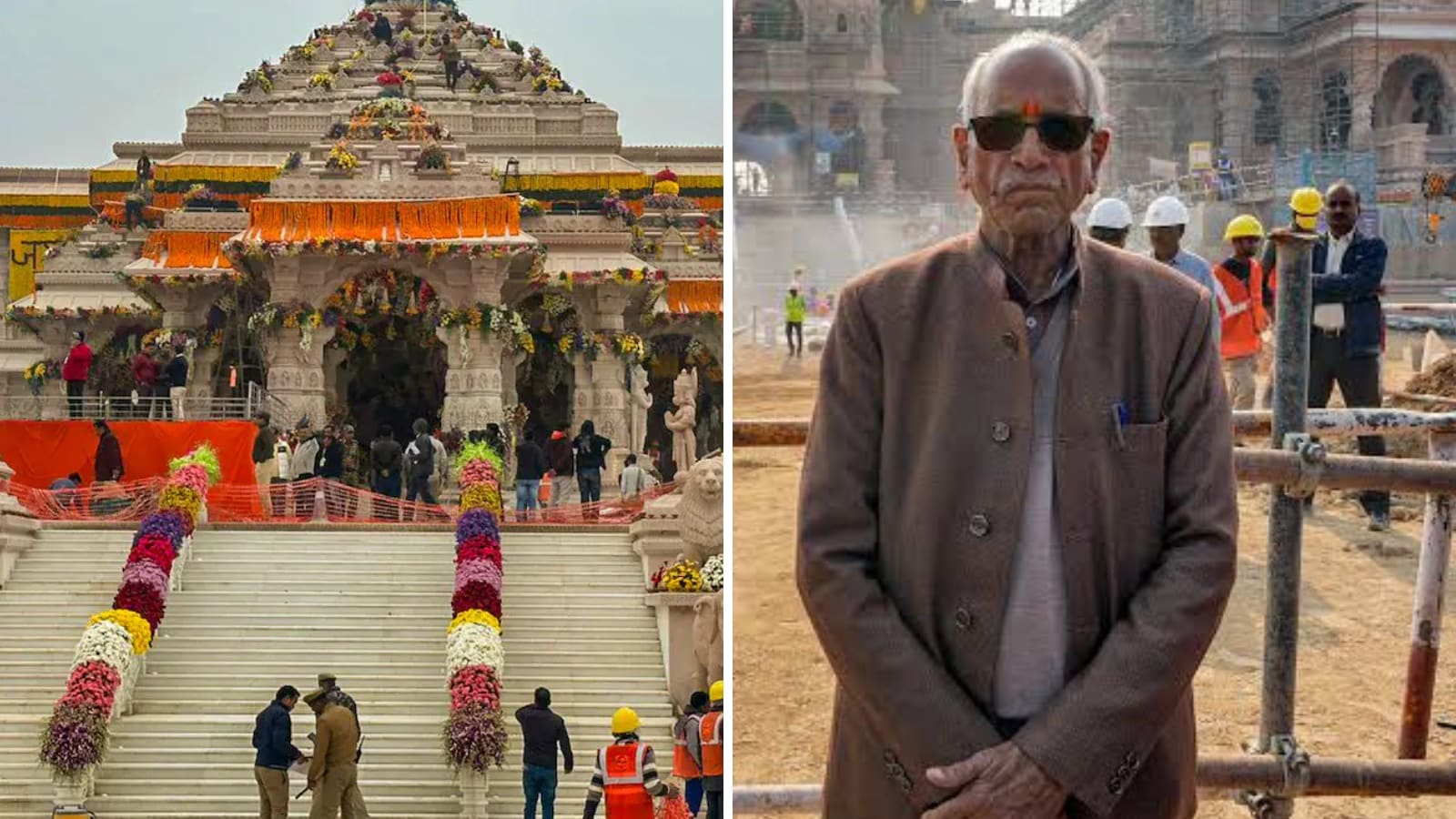
Champat Rai Questions Nripendra Misra, Releases 9-Page Statement

Meta Removes Illegal CSAM Accounts Following Government Action
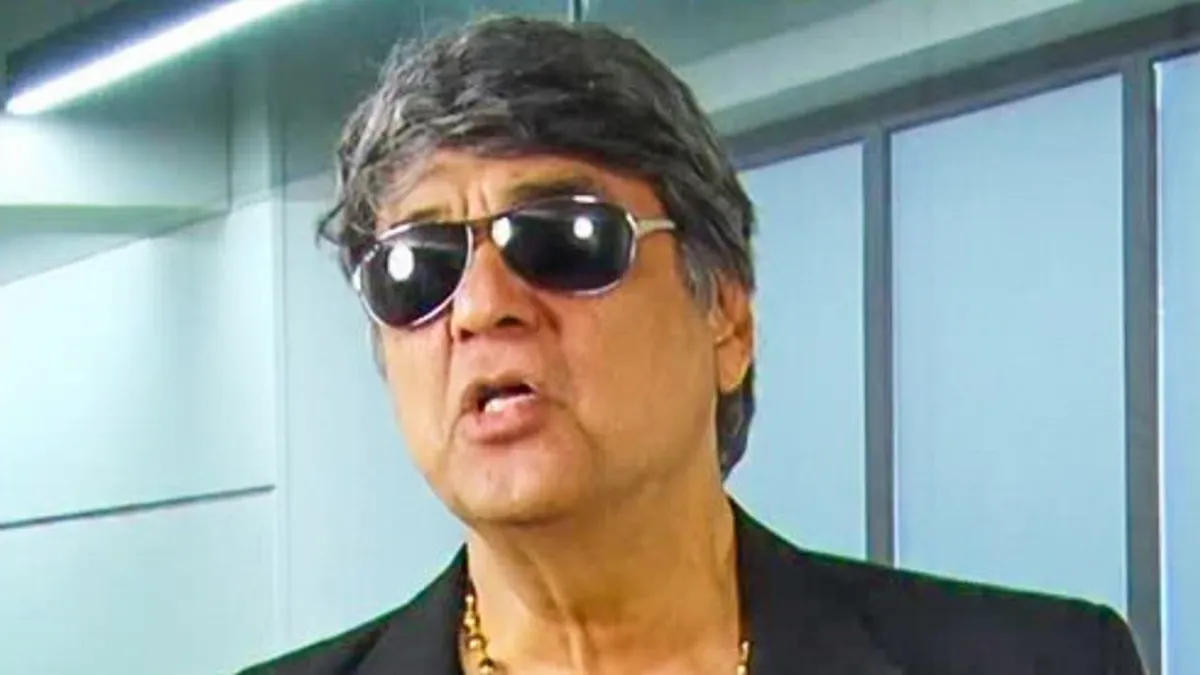
Mukesh Khanna’s call to replace “Jana Gana Mana” with “Vande Mataram” has sparked debate over India’s national symbols and the history behind them.
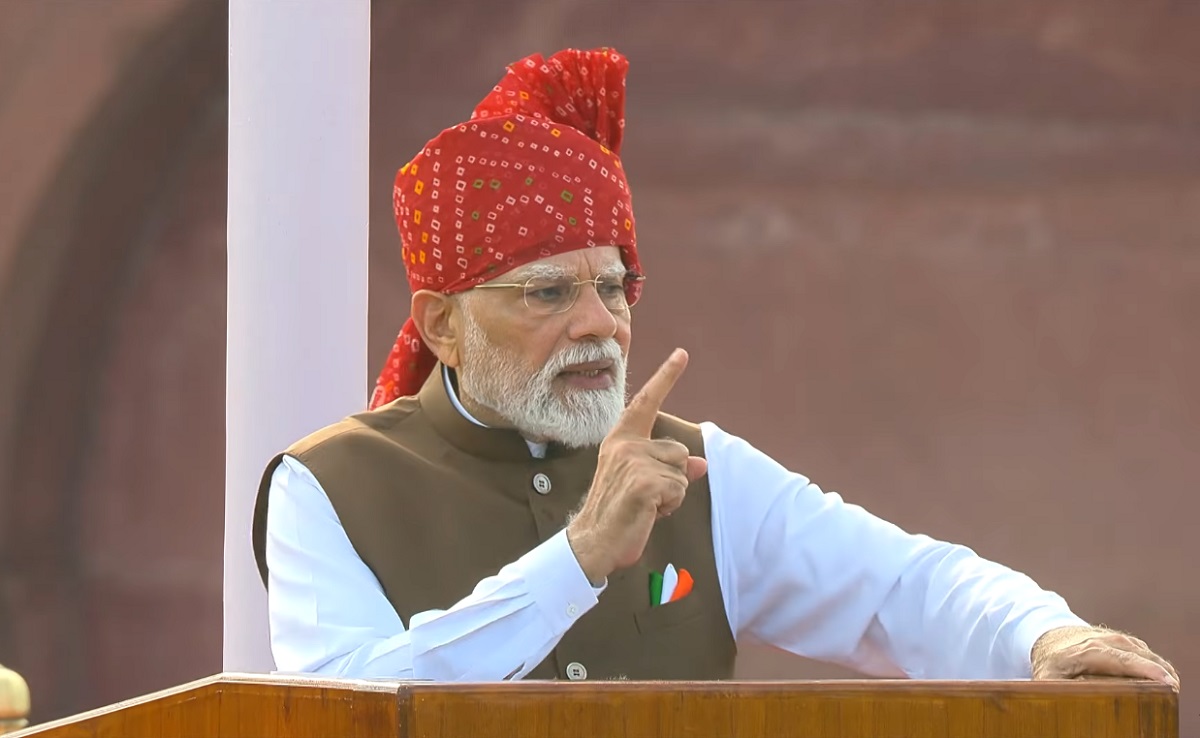
PM Modi warned against what he called “dimaagi Naxals,” urging their identification and isolation, while the Congress criticised the remarks as politically motivated.
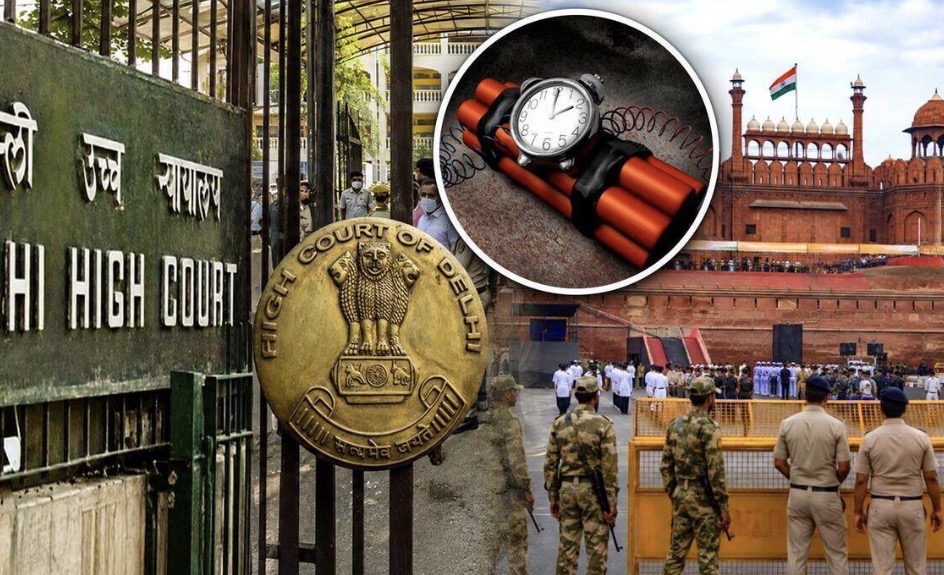
Bomb Threats Reported at Six Locations in Delhi, Security Agencies on High Alert

Supreme Court Grants Major Relief to Samay Raina, All FIRs in ‘India’s Got Latent’ Case Closed
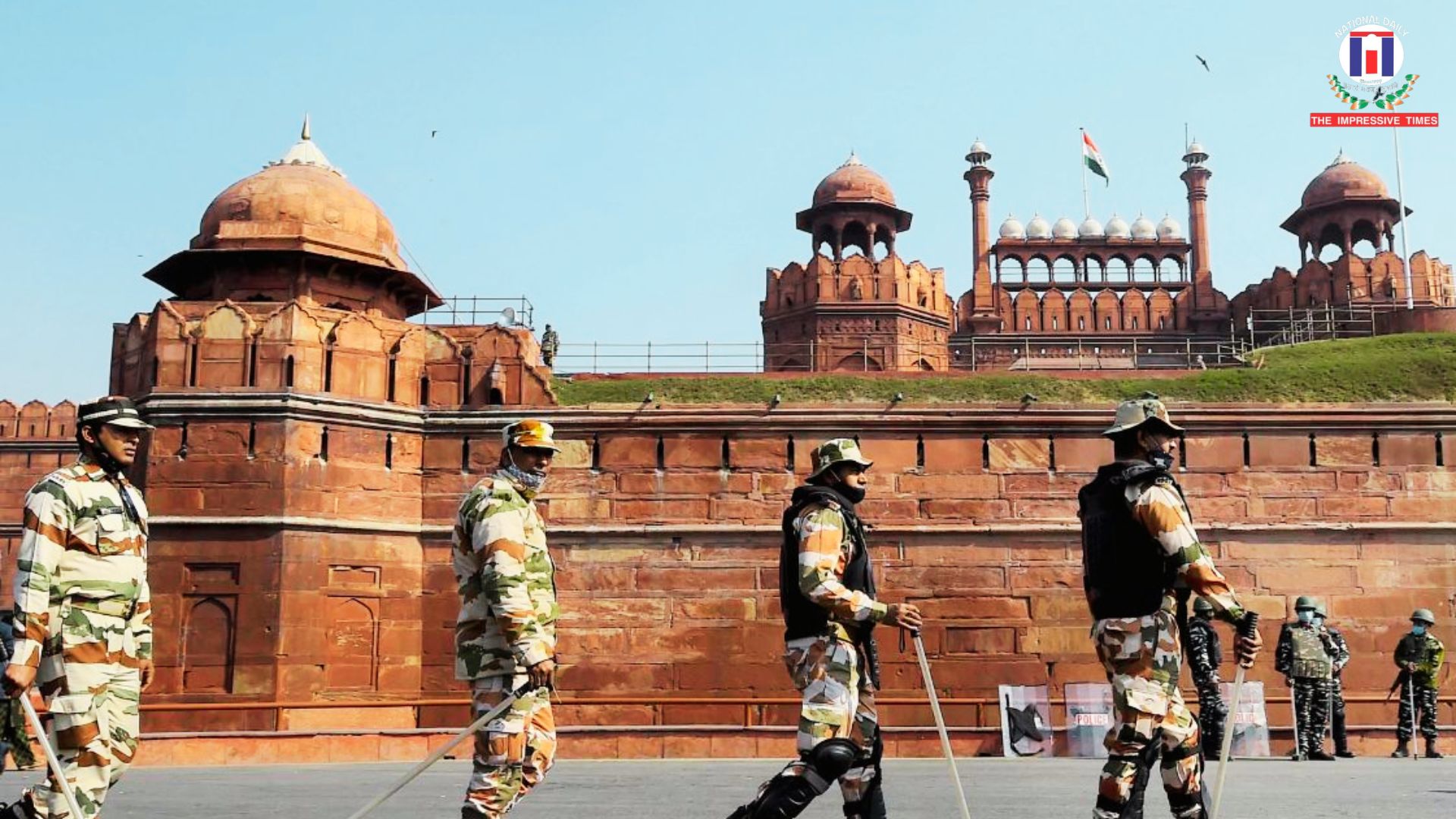
Security Tightened at Red Fort Ahead of Independence Day Celebrations
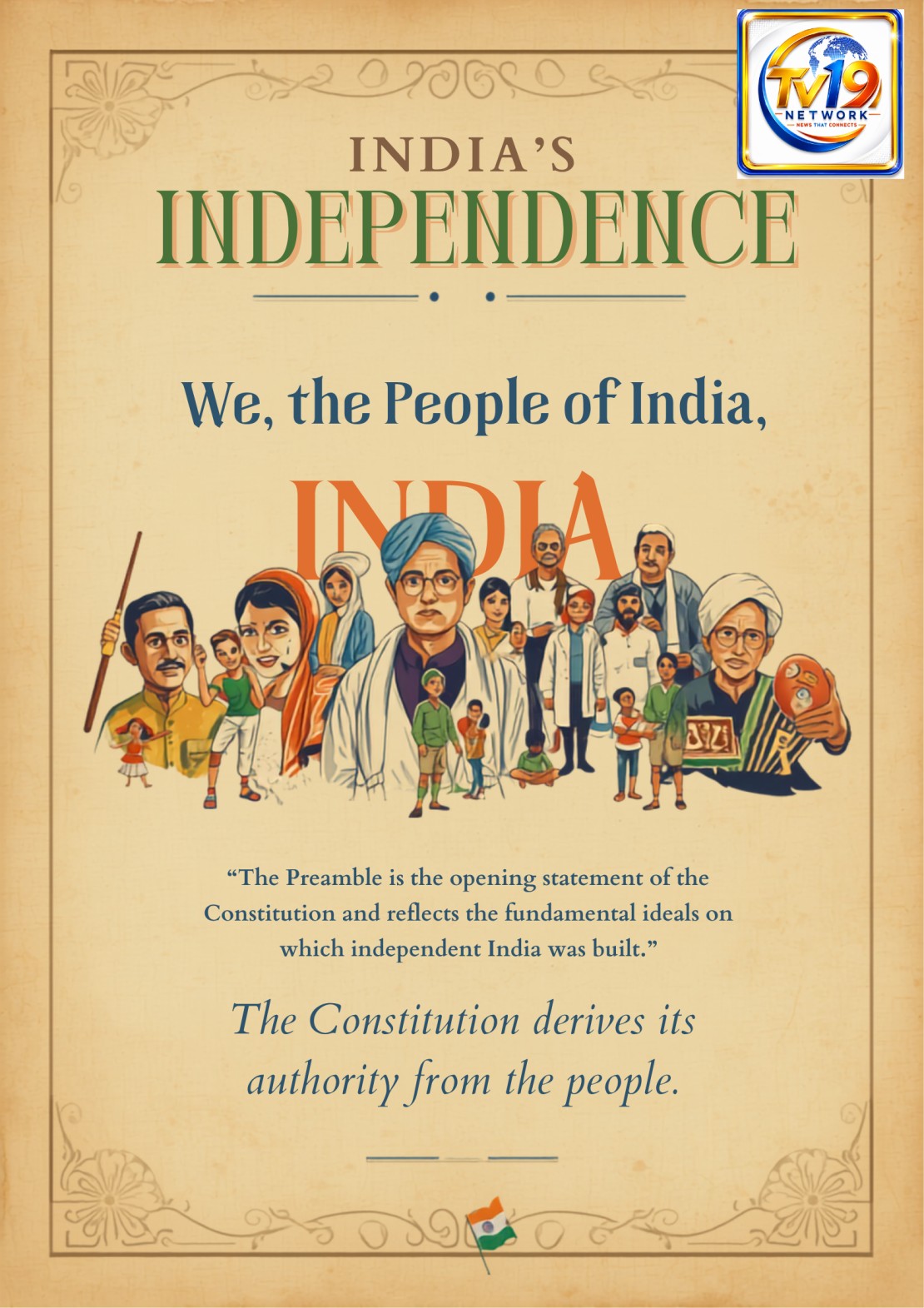
From winning freedom in 1947 to protecting the values of our Constitution today, the responsibility of building India belongs to all of us.
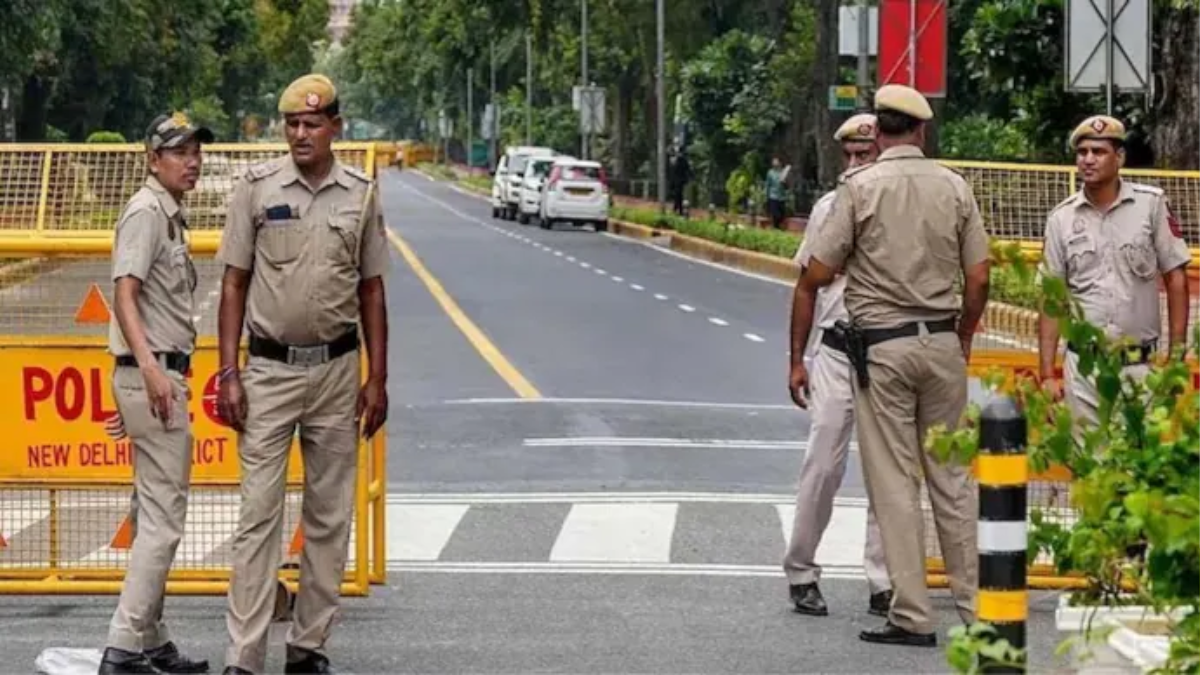
Delhi High Court Receives Bomb Threat, Security Tightened

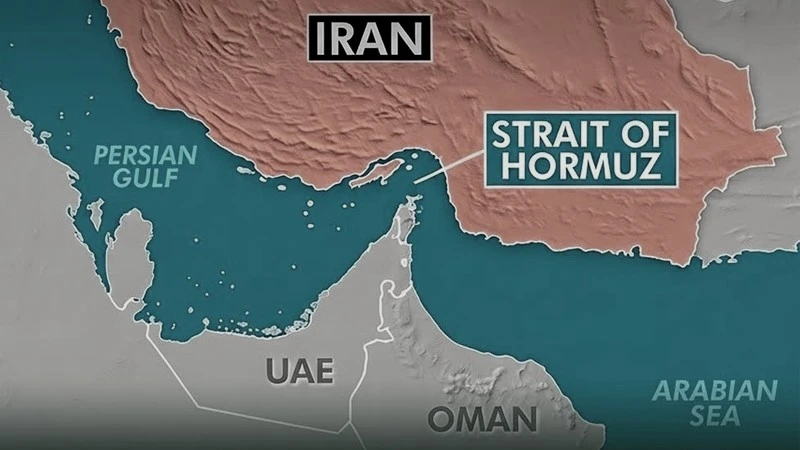
Iran, Oman and the U.S. are reportedly close to a Strait of Hormuz agreement tha...
.jpeg)
Fresh U.S. airstrikes in Iran reportedly killed 14 people, prompting Iranian ret...
President Donald Trump claimed he is Iran’s “No. 1 target” after security measur...
.jpeg)
Three people were killed in U.S. strikes in western Iran as tensions escalated f...
President Donald Trump said the Iran ceasefire is “over” following fresh U.S. st...