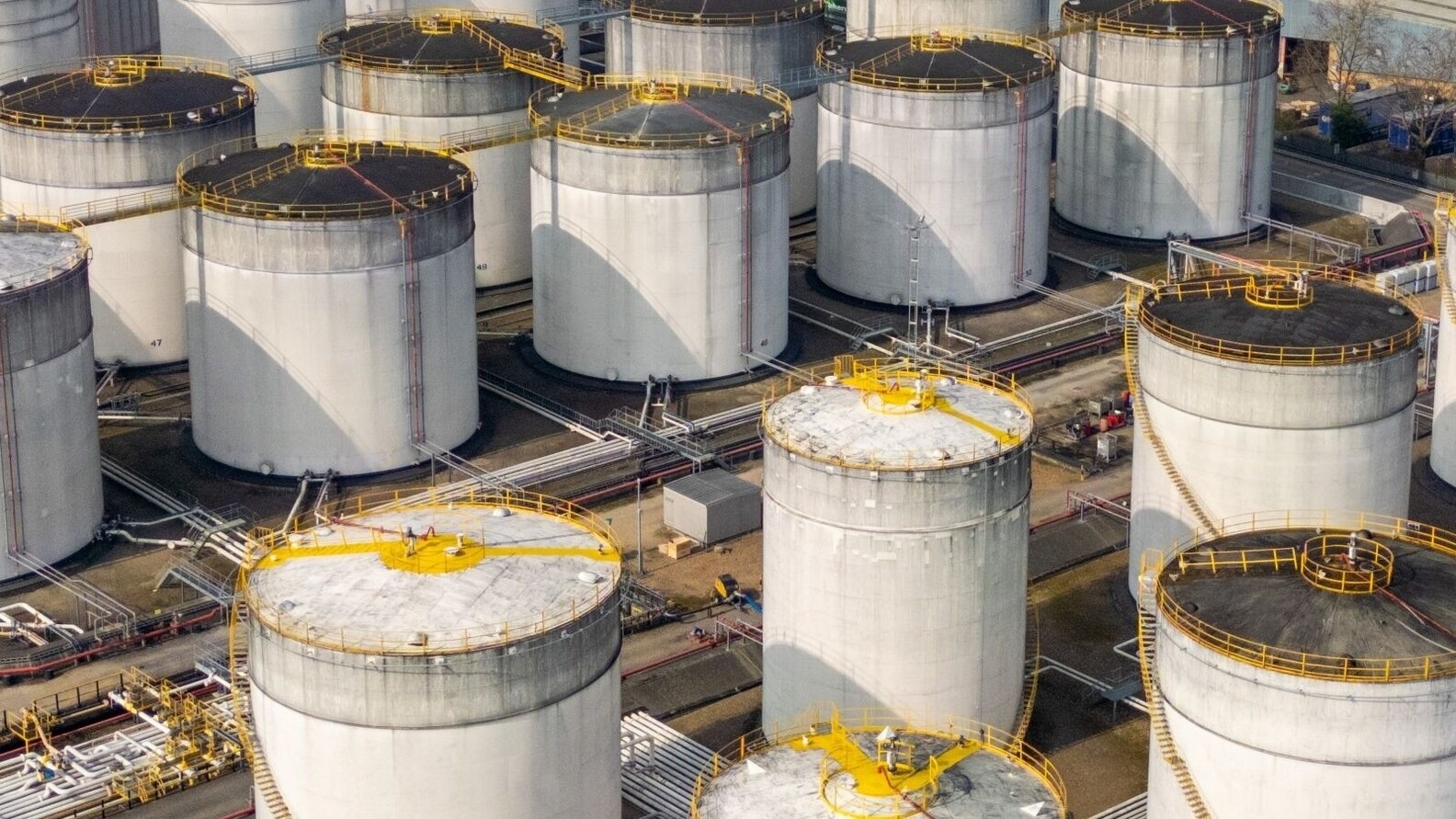
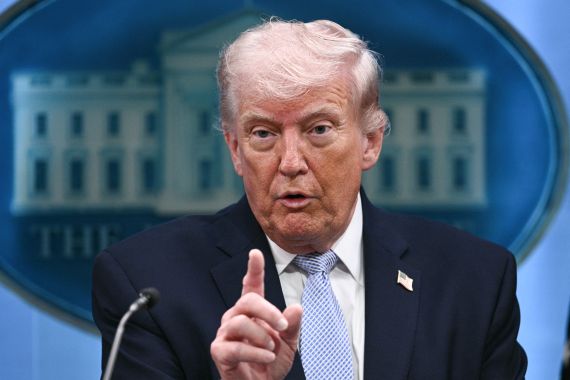
Swapna Kumbar, Bengaluru - The administration of Donald Trump has dramatically expanded its economic pressure campaign against Iran under a strategy known as “Operation Economic Fury.” The initiative is designed to choke off Iran’s “shadow oil” network, a vast system of front companies, covert shipping routes, hidden financial channels, and sanctioned tankers used to secretly sell Iranian crude despite international restrictions. US officials say the network has become one of Tehran’s most important financial lifelines during the ongoing regional conflict and sanctions standoff.
According to the US Treasury Department, the campaign targets every layer of Iran’s sanctions-evasion infrastructure, including oil tankers, shipping firms, banks, brokers, cryptocurrency channels, and foreign intermediaries accused of facilitating Iranian oil sales. Washington has imposed sanctions on dozens of vessels and companies allegedly linked to Iran’s military-backed oil trade, including networks connected to Sepehr Energy and shipping operators tied to the late Iranian security figure Ali Shamkhani’s family. Officials say many of these firms use shell companies, fake ownership structures, ship-to-ship transfers, and “dark fleet” tactics such as disabling tracking systems to move oil mainly toward Asian buyers, especially China’s independent “teapot” refineries.
The Trump administration has also expanded enforcement beyond traditional sanctions by targeting what it calls Iran’s “shadow banking architecture” and crypto financing networks. Treasury Secretary Scott Bessent described the operation as the “financial equivalent of a bombing campaign,” claiming the US has already disrupted billions of dollars in projected Iranian oil revenue and frozen nearly $500 million linked to regime-connected cryptocurrency activity. Washington has further threatened secondary sanctions on foreign financial institutions, shipping insurers, airlines, and governments that continue facilitating Iranian commerce.
The crackdown comes even as indirect negotiations continue over reopening the Strait of Hormuz and easing regional tensions. Analysts say the US strategy reflects a dual-track approach: using economic warfare to weaken Iran’s financial capacity while simultaneously pursuing diplomatic negotiations. However, critics warn that the pressure campaign risks further destabilizing global oil markets, especially if Iran retaliates by disrupting Gulf shipping routes or tightening control around Hormuz.
Operation Economic Fury represents one of the most aggressive US sanctions offensives against Iran in recent years, targeting not just oil exports but the entire hidden ecosystem that allows Tehran to bypass international restrictions. While Washington believes the strategy can force Iran into concessions, the campaign is also increasing geopolitical tensions and raising concerns about wider economic and energy disruptions across the Middle East.
.jpeg)
Trump cited India’s voter-ID system while backing the SAVE America Act, highlighting differences in voting rules between the two countries.
.jpeg)
A Russian missile strike hit Lakshmi Mittal-linked ArcelorMittal’s steel plant in Ukraine, killing two and injuring several others as the war escalates.
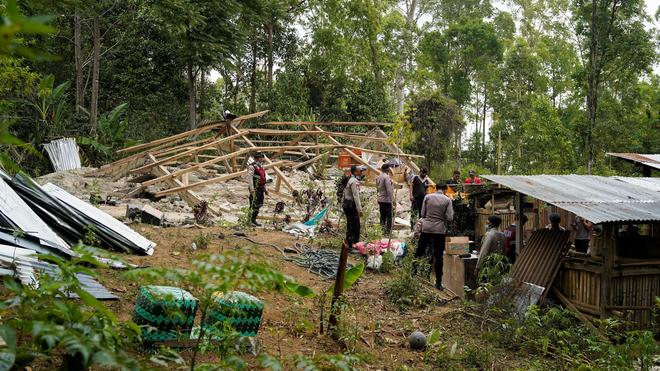
A powerful earthquake in Indonesia has killed 53 people and forced around 5,000 to evacuate, as aftershocks and landslides hamper rescue efforts.

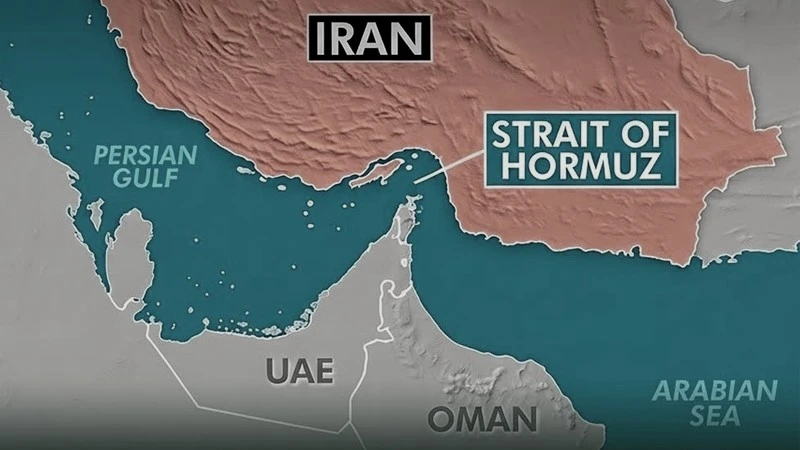
Iran, Oman and the U.S. are reportedly close to a Strait of Hormuz agreement tha...
.jpeg)
Fresh U.S. airstrikes in Iran reportedly killed 14 people, prompting Iranian ret...
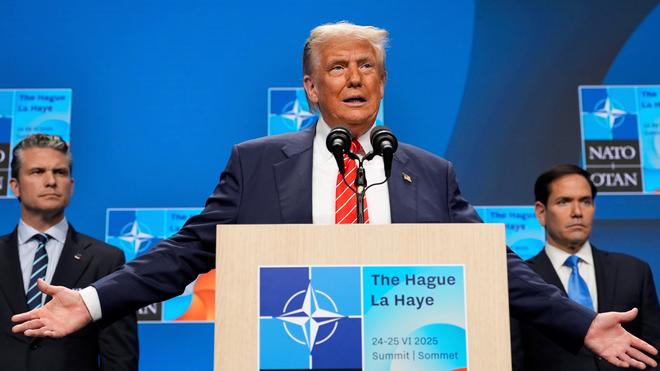
President Donald Trump claimed he is Iran’s “No. 1 target” after security measur...
.jpeg)
Three people were killed in U.S. strikes in western Iran as tensions escalated f...
President Donald Trump said the Iran ceasefire is “over” following fresh U.S. st...