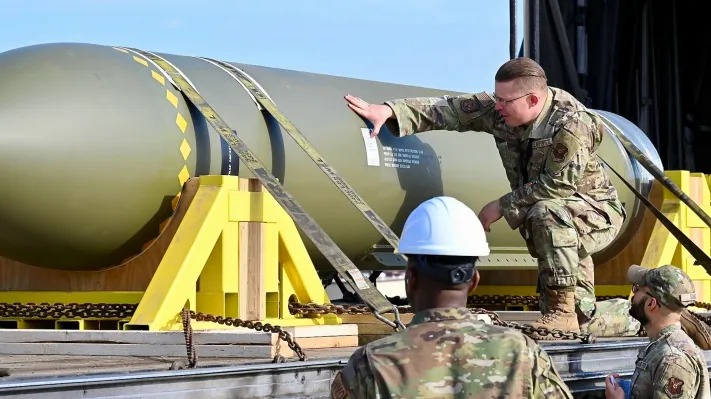
Desk Correspondent , Tehran – US attacks Iran hours after Trump hints at ending offensive. United States drop multiple 2,000-pound (approximately 900–1,000 kg) bunker-buster bombs on a major ammunition depot in Iran’s central city of Isfahan early Tuesday, targeting fortified underground structures linked to the country’s military and nuclear infrastructure. According to Wall Street Journal, a large number of penetrator munitions were used in the operation including underground structure mostly to desolate the major military and nuclear infrastructure, hinted an US official.
It has been more than a month since the West Asia conflict between US-Israel against Iran began. With the attack on Tuesday US showed they want to end it with either hook or crook. Bunker-buster bombs are specialized weapons built to penetrate hardened targets before exploding. These weapons are usually launched to destroy underground infrastructure, reinforced bunkers, and nuclear sites. Although US didn’t use any major variant of bunker-buster, the agenda remain – neutralize every possible threat.
According to the Wall Street Journal, the US President has told his aides that he is willing to end the conflict with Iran even though the Strait of Hormuz remains largely closed. The strike escalates tensions in the month-old war but aligns with Trump’s reported timeline of 4–6 weeks for major operations. Further updates will depend on Iran’s response and any diplomatic moves involving regional powers or the conflict will continue.
.jpeg)
Trump cited India’s voter-ID system while backing the SAVE America Act, highlighting differences in voting rules between the two countries.
.jpeg)
A Russian missile strike hit Lakshmi Mittal-linked ArcelorMittal’s steel plant in Ukraine, killing two and injuring several others as the war escalates.
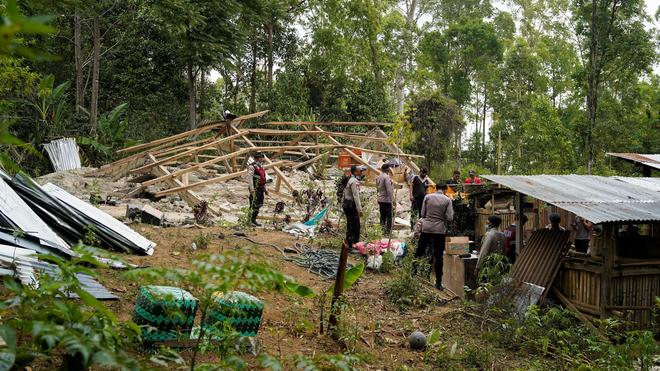
A powerful earthquake in Indonesia has killed 53 people and forced around 5,000 to evacuate, as aftershocks and landslides hamper rescue efforts.

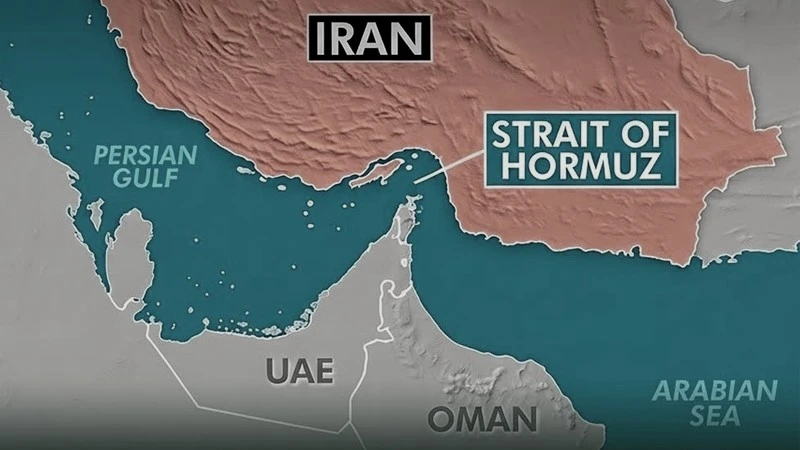
Iran, Oman and the U.S. are reportedly close to a Strait of Hormuz agreement tha...
.jpeg)
Fresh U.S. airstrikes in Iran reportedly killed 14 people, prompting Iranian ret...
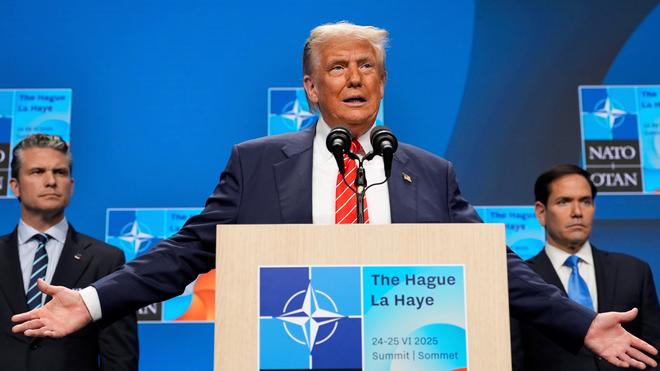
President Donald Trump claimed he is Iran’s “No. 1 target” after security measur...
.jpeg)
Three people were killed in U.S. strikes in western Iran as tensions escalated f...
President Donald Trump said the Iran ceasefire is “over” following fresh U.S. st...