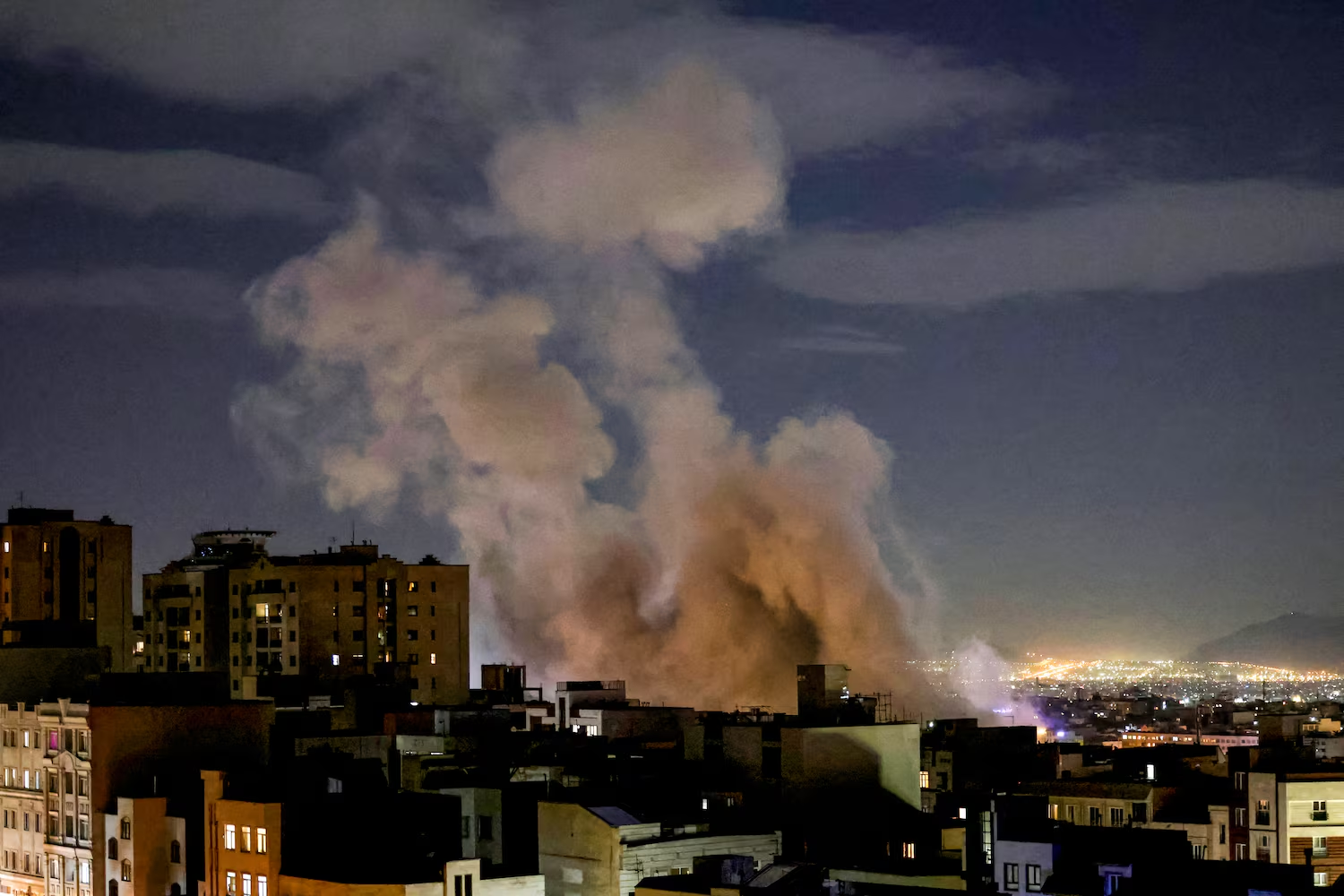
Swapna Kumbar , Bengaluru - Tensions in the Middle East have exploded after the United States launched a major airstrike operation targeting Iranian military facilities and command centers near Tehran, prompting Tehran to vow a crushing retaliation. The Pentagon described the strikes as decisive defensive actions to deter Iranian aggression, including recent IRGC attacks on US personnel and shipping in the Strait of Hormuz. Global leaders, from the UN to European allies, have urged immediate de-escalation to safeguard oil markets and prevent a wider war.
The operation, dubbed Midnight Hammer, involved over 125 US aircraft and submarine launched missiles hitting key sites around Tehran, including underground command bunkers and missile infrastructure. No nuclear facilities were targeted, but the scale 75 precision munitions, including massive ordnance penetrators marks one of the largest US strikes on Iranian soil since 1979. Iran activated air defenses over the capital, with state media reporting explosions and debris from intercepted threats, though US officials claim all aircraft returned safely. Iran's Supreme National Security Council condemned the assault as barbaric aggression and promised a response more severe than ever, potentially involving ballistic missiles on US bases, swarm drone attacks on naval assets, or proxy strikes across the region. Oil prices surged 8% on fears of Hormuz closure, while global powers like China, Russia, and the EU called for restraint, with UN Secretary General Antonio Guterres warning of catastrophic consequences for civilians and energy security.
The US strike near Tehran risks shattering the fragile ceasefire and igniting full scale war, with Iran's retaliation pledge threatening US assets and global oil flows. While Washington frames it as necessary deterrence, the cycle of escalation demands urgent diplomacy to contain fallout. The world watches anxiously as leaders balance military resolve with pleas for de-escalation, knowing a single miscalculation could destabilise markets and ignite the region's powder keg.
.jpeg)
Trump cited India’s voter-ID system while backing the SAVE America Act, highlighting differences in voting rules between the two countries.
.jpeg)
A Russian missile strike hit Lakshmi Mittal-linked ArcelorMittal’s steel plant in Ukraine, killing two and injuring several others as the war escalates.
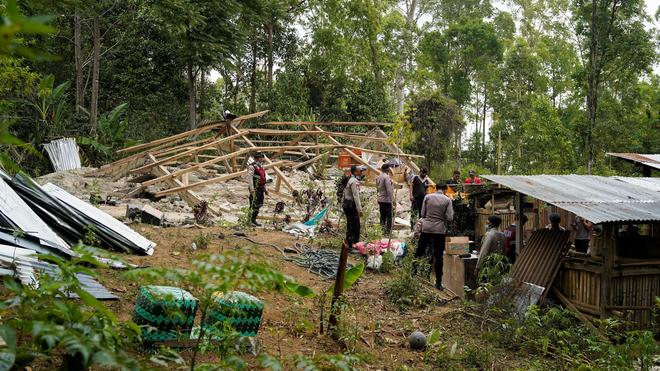
A powerful earthquake in Indonesia has killed 53 people and forced around 5,000 to evacuate, as aftershocks and landslides hamper rescue efforts.

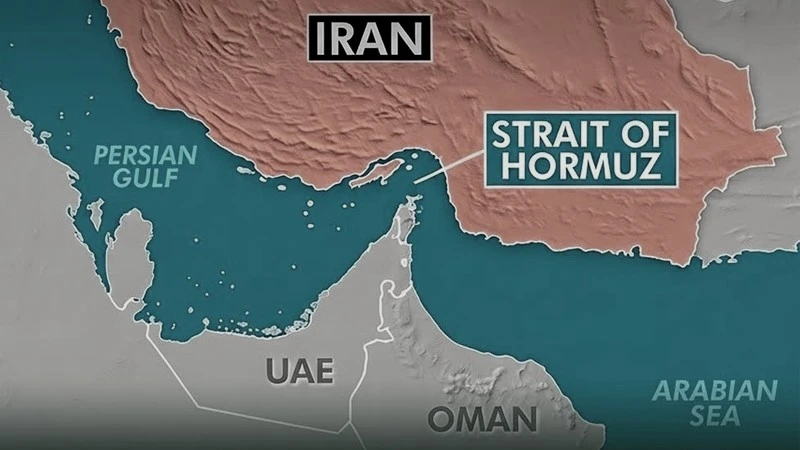
Iran, Oman and the U.S. are reportedly close to a Strait of Hormuz agreement tha...
.jpeg)
Fresh U.S. airstrikes in Iran reportedly killed 14 people, prompting Iranian ret...
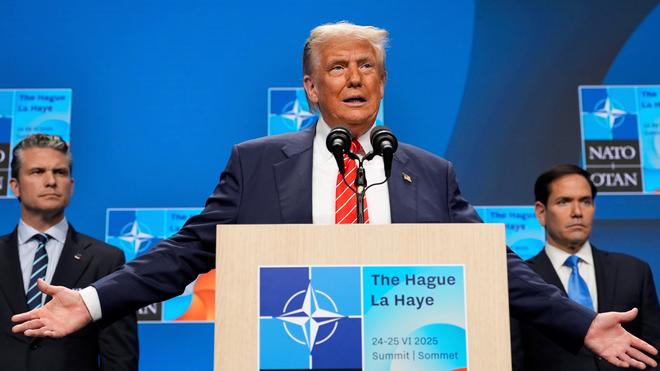
President Donald Trump claimed he is Iran’s “No. 1 target” after security measur...
.jpeg)
Three people were killed in U.S. strikes in western Iran as tensions escalated f...
President Donald Trump said the Iran ceasefire is “over” following fresh U.S. st...