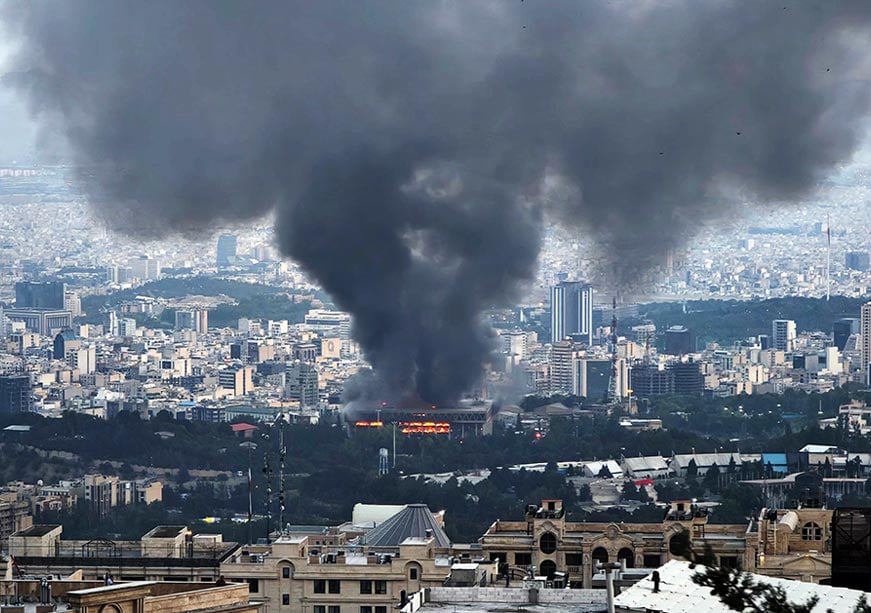
Desk Correspondent , Tehran - Preliminary casualty figures from the US-Israel-Iran escalation since late February 2026 reveal a devastating human cost, with at least 2,076 killed in Iran from targeted strikes on military and nuclear sites, including 240 women and 212 children among the victims, alongside over 26,500 injured across cities like Tehran and Isfahan. In Israel, Iranian missile barrages and drone attacks have claimed 26 lives mostly civilians caught in shelter scrambles and wounded more than 7,451, with significant hits near strategic locations such as the Dimona reactor, heightening fears of radiation risks. The two week ceasefire, already fraying after the Islamabad talks breakdown, endures sporadic clashes that test its limits daily, as both sides accuse each other of violations amid unresolved nuclear and regional demands.
The conflict ignited on February 28, 2026, when US and Israeli forces launched preemptive strikes on Iranian facilities, triggering waves of retaliatory ballistic missiles that struck Israeli cities, Gulf bases killing 28 there and even US positions with 13 troop fatalities, escalating into a multi front crisis. By early March, Iran's Health Ministry tallied 2,076 deaths, but independent monitors like HRANA report over 1,701 civilians alone, with totals surpassing 3,600 and economic damages hitting $145 billion from disrupted oil infrastructure and urban destruction. Hezbollah's parallel skirmishes in Lebanon, now claiming nearly 2,000 lives since March, remain outside ceasefire scope, further inflaming the volatile border dynamics despite diplomatic exclusions.
President Trump has issued stern warnings of renewed force should Iran falter, while Netanyahu frames the truce as a mere pause, citing persistent northern strikes and intelligence on Tehran's proxy mobilizations that keep Israel on high alert. Human rights groups decry disproportionate civilian tolls from non-precision hits in Iran, urging international probes as displaced families swell refugee flows and global oil prices hover near crisis levels. With talks stalled and mutual distrust entrenched, the ceasefire's threadbare hold raises specters of broader war, compelling urgent UN mediation calls.
.jpeg)
Trump cited India’s voter-ID system while backing the SAVE America Act, highlighting differences in voting rules between the two countries.
.jpeg)
A Russian missile strike hit Lakshmi Mittal-linked ArcelorMittal’s steel plant in Ukraine, killing two and injuring several others as the war escalates.
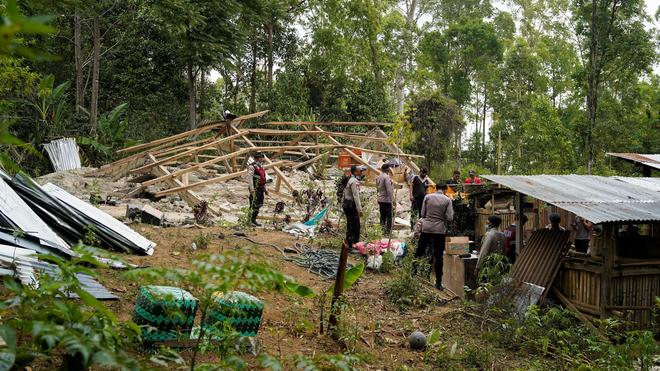
A powerful earthquake in Indonesia has killed 53 people and forced around 5,000 to evacuate, as aftershocks and landslides hamper rescue efforts.

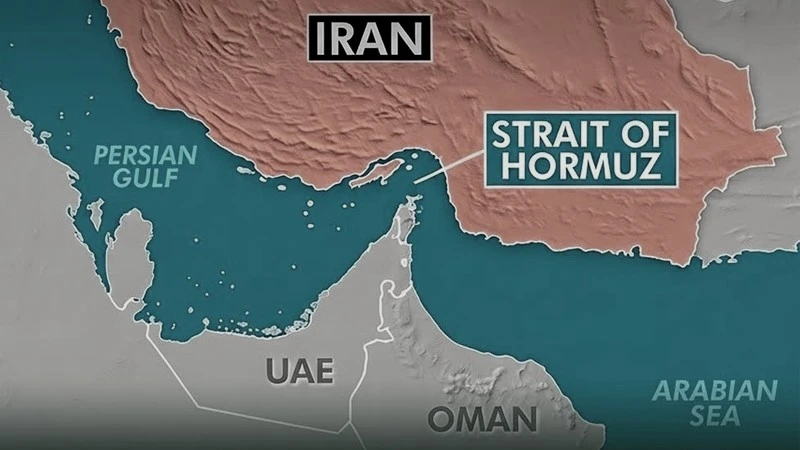
Iran, Oman and the U.S. are reportedly close to a Strait of Hormuz agreement tha...
.jpeg)
Fresh U.S. airstrikes in Iran reportedly killed 14 people, prompting Iranian ret...
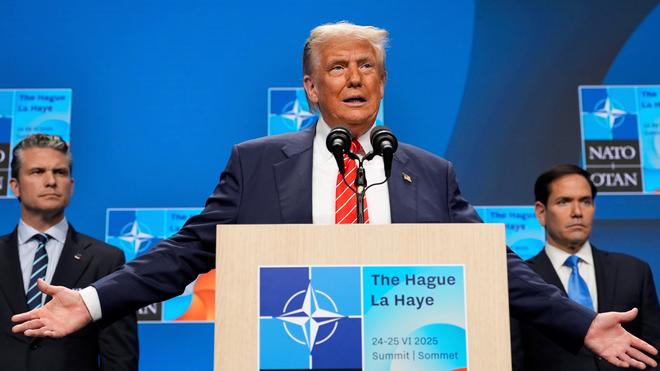
President Donald Trump claimed he is Iran’s “No. 1 target” after security measur...
.jpeg)
Three people were killed in U.S. strikes in western Iran as tensions escalated f...
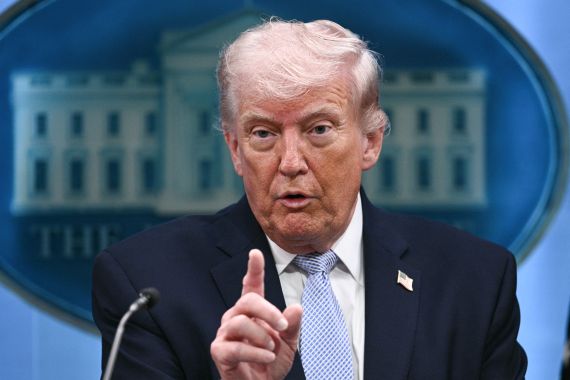
President Donald Trump said the Iran ceasefire is “over” following fresh U.S. st...