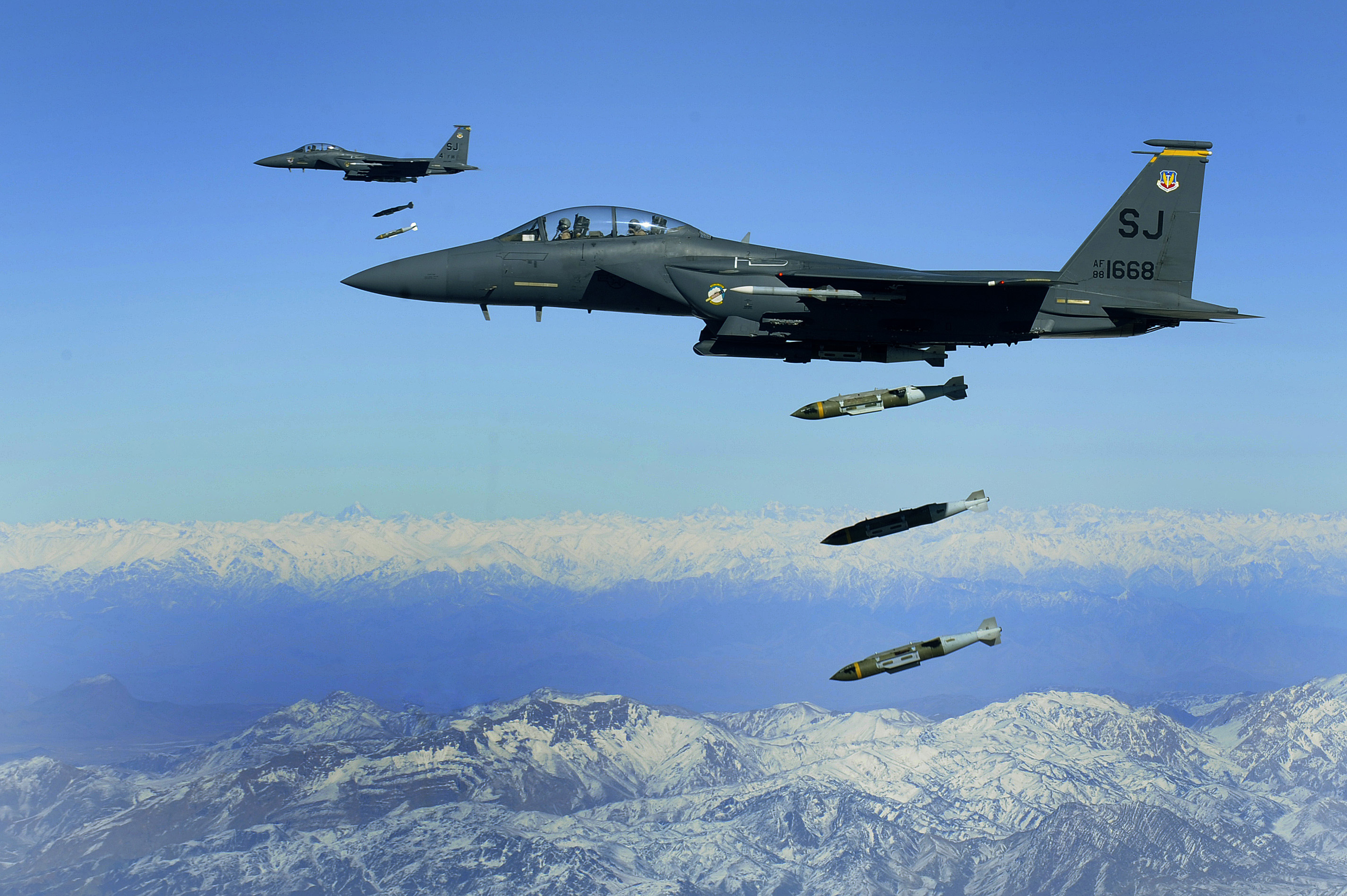
Desk Correspondent , Washington D.C - The United States military has carried out a massive operation called "Hawkeye Strike" targeting Islamic State groups in Syria. During this mission, fighter jets hit over seventy different locations to stop terrorists from planning future attacks. The operation was launched because officials noticed that these groups were becoming more active and dangerous again. By striking these specific targets, the US hopes to keep the region stable and protect innocent people from harm. It was one of the largest air missions seen in the area for a very long time.
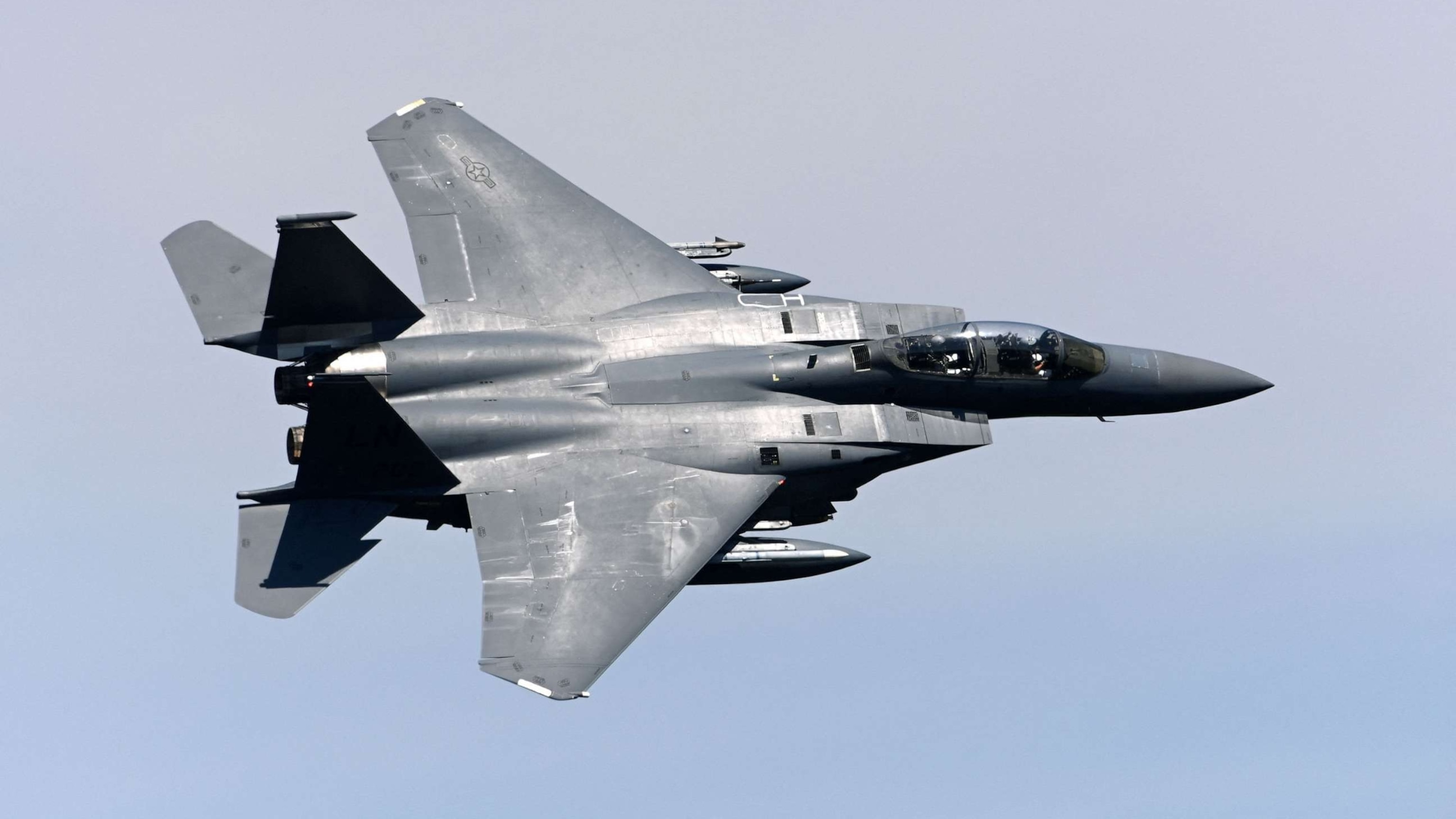
Security experts say these attacks were necessary to break the strength of the hidden militant camps. The targets included places where the groups kept their weapons, training centers, and spots where their leaders met in secret. US officials explained that they wanted to send a clear message that they are still watching the region very closely. They believe that if they did not act now, the militants could have grown strong enough to cause trouble in other countries. The military used very precise technology to make sure they hit the right spots.
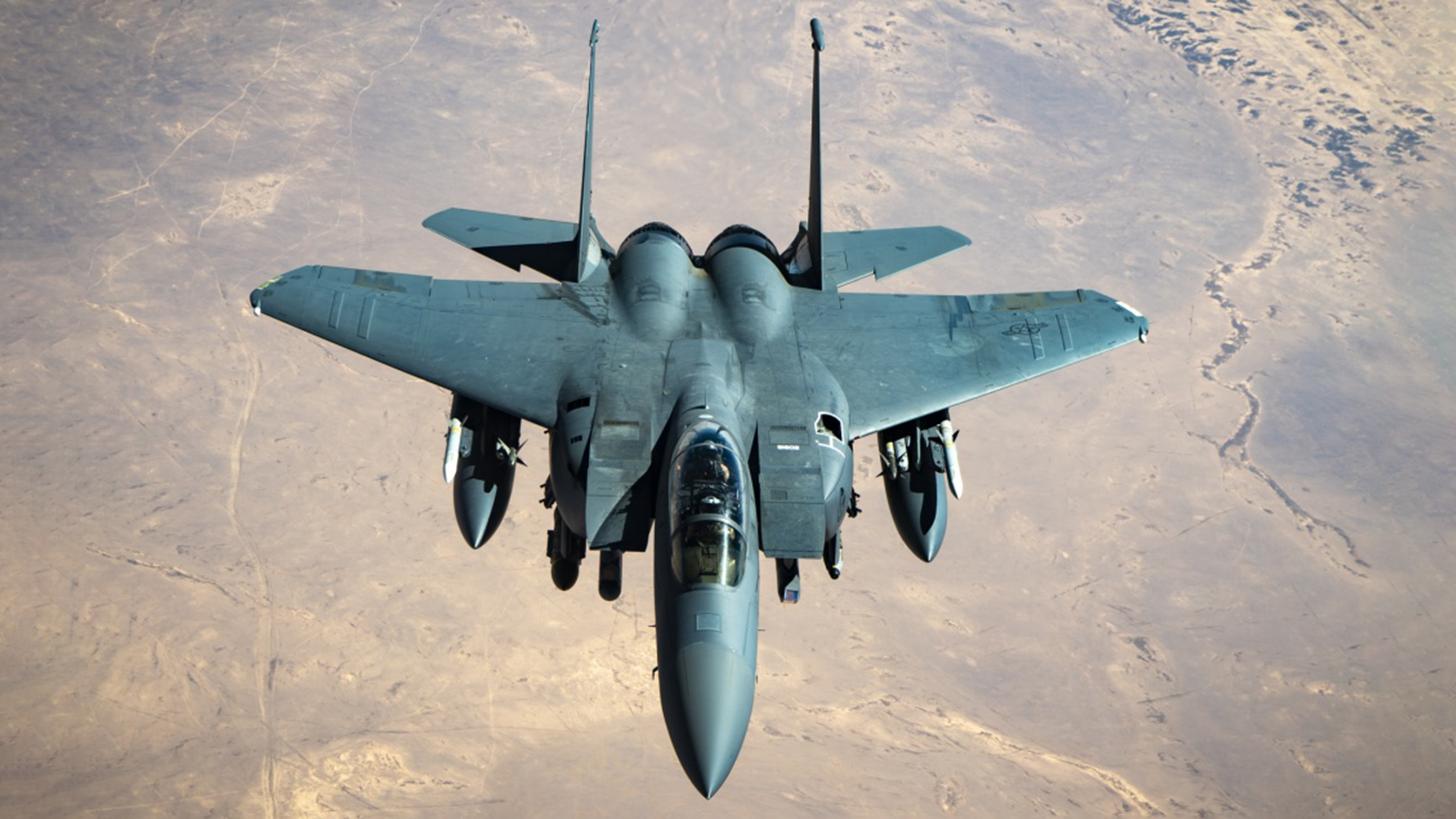
While the mission was successful, many people are worried about what might happen next in the middle of this conflict. The situation in Syria remains very difficult, and many families are living in fear as the fighting continues around them. International leaders are watching the events unfold, hoping that these strikes will lead to more peace rather than more war. For now, the US military says it will remain alert and ready to defend its interests. The goal is to ensure that these extremist groups can never rise to power again.
.jpeg)
Trump cited India’s voter-ID system while backing the SAVE America Act, highlighting differences in voting rules between the two countries.
.jpeg)
A Russian missile strike hit Lakshmi Mittal-linked ArcelorMittal’s steel plant in Ukraine, killing two and injuring several others as the war escalates.
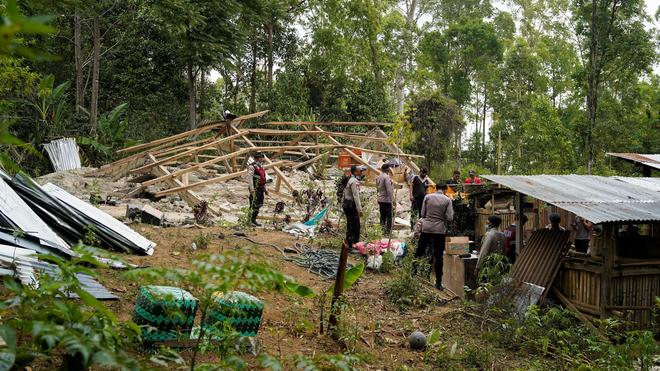
A powerful earthquake in Indonesia has killed 53 people and forced around 5,000 to evacuate, as aftershocks and landslides hamper rescue efforts.

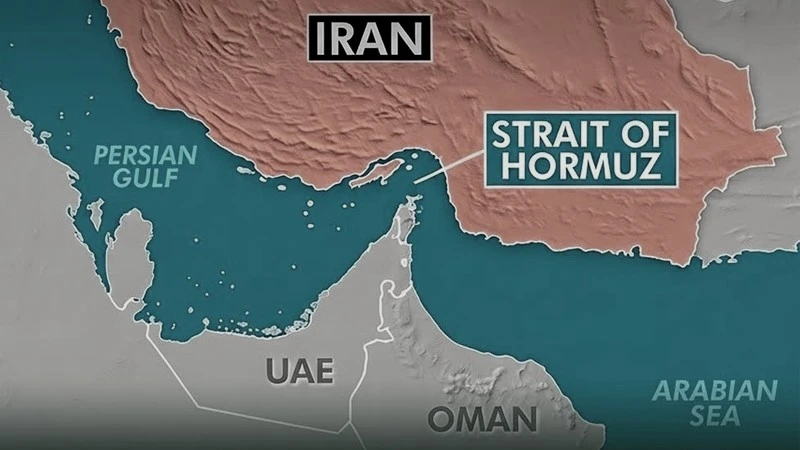
Iran, Oman and the U.S. are reportedly close to a Strait of Hormuz agreement tha...
.jpeg)
Fresh U.S. airstrikes in Iran reportedly killed 14 people, prompting Iranian ret...
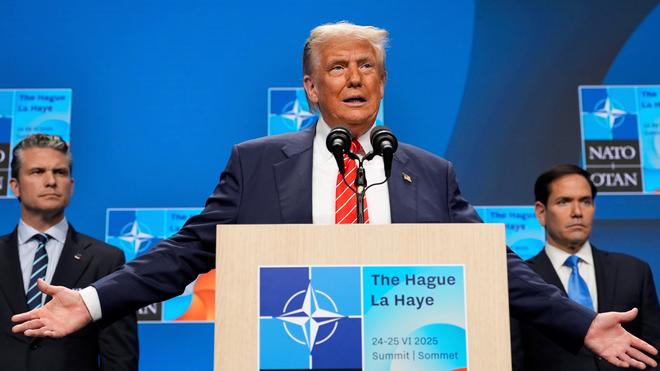
President Donald Trump claimed he is Iran’s “No. 1 target” after security measur...
.jpeg)
Three people were killed in U.S. strikes in western Iran as tensions escalated f...
President Donald Trump said the Iran ceasefire is “over” following fresh U.S. st...