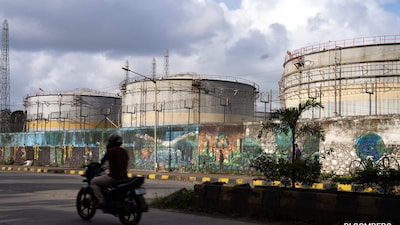
Desk Correspondent , Washington DC - The US Treasury announced on April 15, 2026, it will not renew the temporary sanctions waiver that allowed India to buy Russian oil cargoes stranded at sea, primarily issued in March to ease global supply disruptions from the Iran conflict. Treasury Secretary Scott Bessent confirmed the general licenses for Russian and Iranian oil, covering pre March 11 shipments, have expired without extension, signaling a tougher stance amid escalating Middle East tensions.
The US granted a 30 day waiver around March 5-6, 2026, enabling Indian refiners like Reliance to import roughly 30 million barrels of Russian crude loaded before that date, stabilizing prices amid Strait of Hormuz blockades. This followed earlier US penalties on Indian Russian oil buys, later eased conditionally to address energy shortages.
India, a top Russian oil buyer at discounted rates, now faces renewed compliance risks and potential fines, though refiners have already cut volumes and major firms like Reliance report readiness to pivot to alternatives. Global prices may rise further, pressuring India's energy imports that heavily transit Hormuz, with economists warning of added inflation risks for consumers.
.jpeg)
Trump cited India’s voter-ID system while backing the SAVE America Act, highlighting differences in voting rules between the two countries.
.jpeg)
A Russian missile strike hit Lakshmi Mittal-linked ArcelorMittal’s steel plant in Ukraine, killing two and injuring several others as the war escalates.

A powerful earthquake in Indonesia has killed 53 people and forced around 5,000 to evacuate, as aftershocks and landslides hamper rescue efforts.

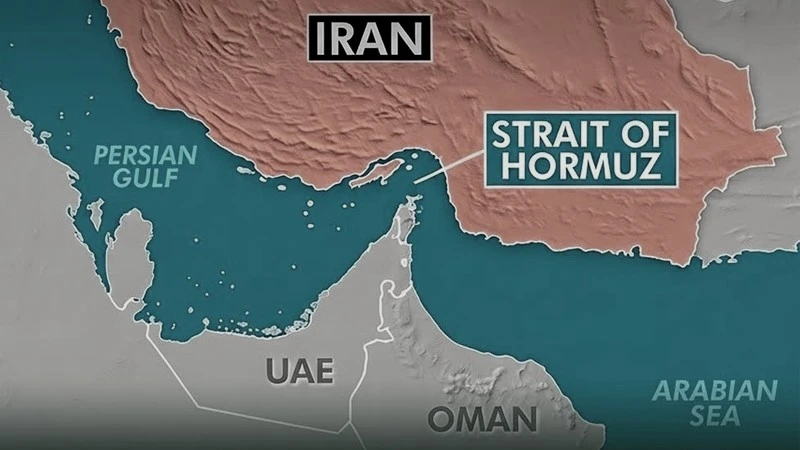
Iran, Oman and the U.S. are reportedly close to a Strait of Hormuz agreement tha...
.jpeg)
Fresh U.S. airstrikes in Iran reportedly killed 14 people, prompting Iranian ret...
President Donald Trump claimed he is Iran’s “No. 1 target” after security measur...
.jpeg)
Three people were killed in U.S. strikes in western Iran as tensions escalated f...
President Donald Trump said the Iran ceasefire is “over” following fresh U.S. st...