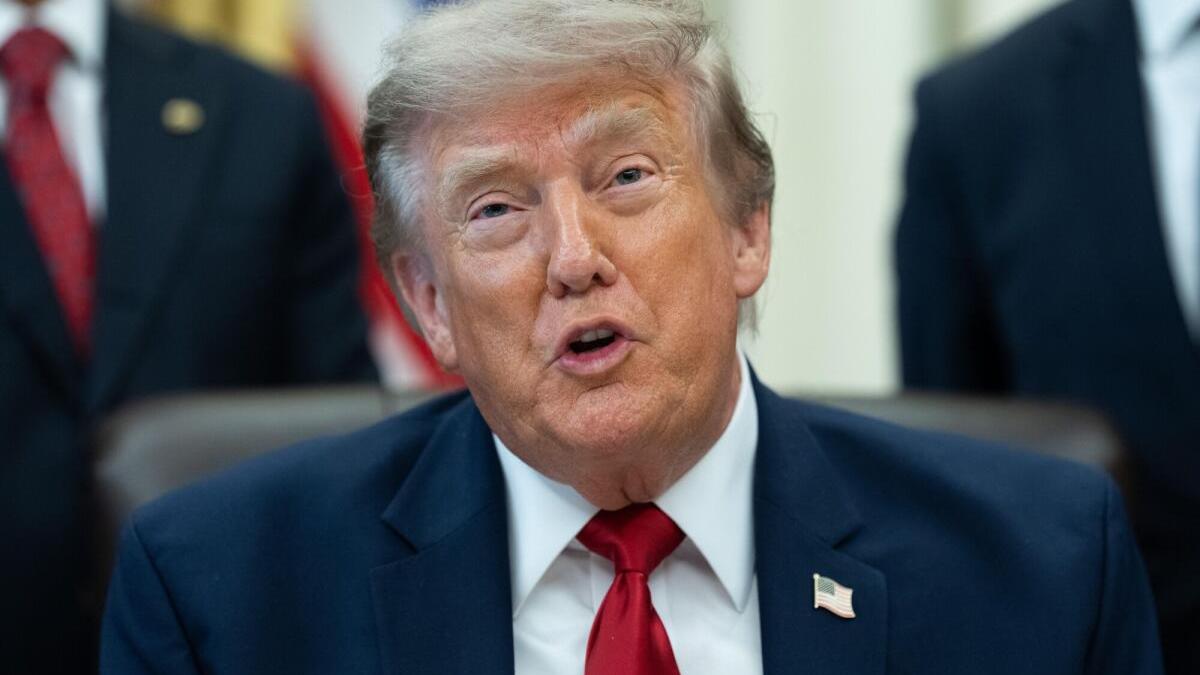
Swapna Kumbar , Bengaluru - Donald Trump has announced that the U.S. will impose a 20% charge on cargo moving through the Strait of Hormuz, saying America will be “reimbursed” for securing the waterway. He also said the U.S. is reinstating a blockade on Iranian vessels while allowing other countries “fair and open use” of the strait.
The proposal marks a sharp escalation in the struggle over Hormuz, one of the world’s most important energy chokepoints. Trump framed the fee as a security reimbursement, but the announcement has raised immediate legal and economic questions because international shipping lanes are generally not supposed to face unilateral tolls for transit. The International Maritime Organization has already said it opposes mandatory fees on passage through straits used for international navigation.
In practical terms, a 20% levy on cargo value could act like a major tax on global oil and gas flows, depending on how it is enforced. That would likely raise shipping costs, unsettle insurers and add pressure to already volatile energy markets. The “blockade” language matters because it suggests the U.S. is trying to control access to the strait rather than simply escort shipping through it. That creates obvious risks: even if the policy is presented as protection for non-Iranian ships, it could still be seen as an attempt to police a critical international waterway. The result is likely to be more diplomatic friction, not less.
Trump’s announcement turns the Hormuz crisis from a military and maritime standoff into a direct economic confrontation. If carried out, the toll could reshape shipping costs and further strain relations with Iran and other trading partners.
.jpeg)
Trump cited India’s voter-ID system while backing the SAVE America Act, highlighting differences in voting rules between the two countries.
.jpeg)
A Russian missile strike hit Lakshmi Mittal-linked ArcelorMittal’s steel plant in Ukraine, killing two and injuring several others as the war escalates.
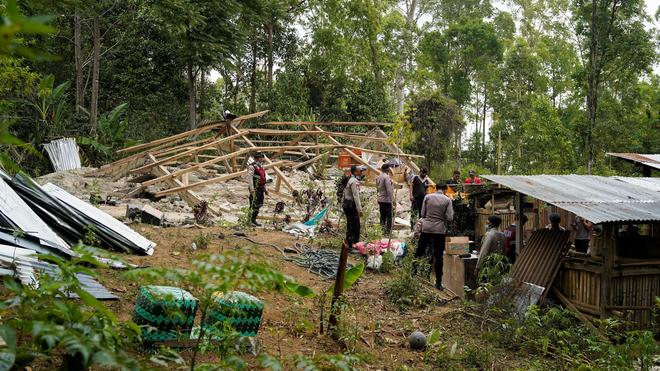
A powerful earthquake in Indonesia has killed 53 people and forced around 5,000 to evacuate, as aftershocks and landslides hamper rescue efforts.

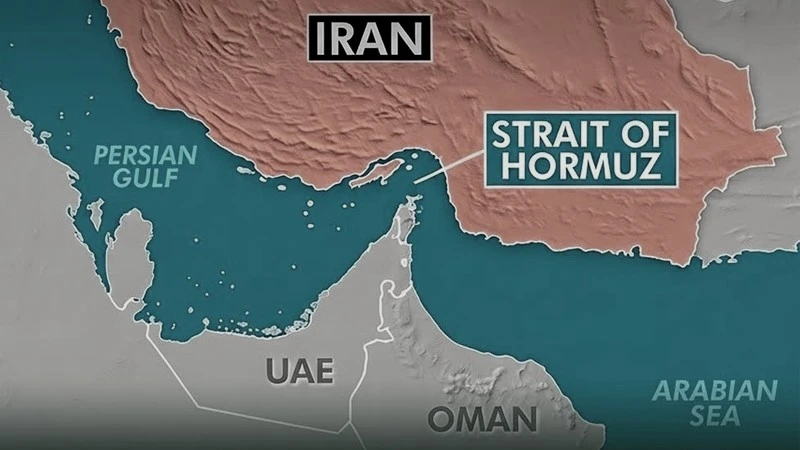
Iran, Oman and the U.S. are reportedly close to a Strait of Hormuz agreement tha...
.jpeg)
Fresh U.S. airstrikes in Iran reportedly killed 14 people, prompting Iranian ret...
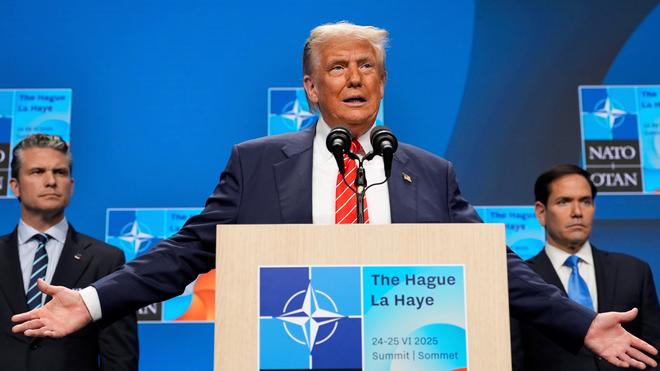
President Donald Trump claimed he is Iran’s “No. 1 target” after security measur...
.jpeg)
Three people were killed in U.S. strikes in western Iran as tensions escalated f...
President Donald Trump said the Iran ceasefire is “over” following fresh U.S. st...