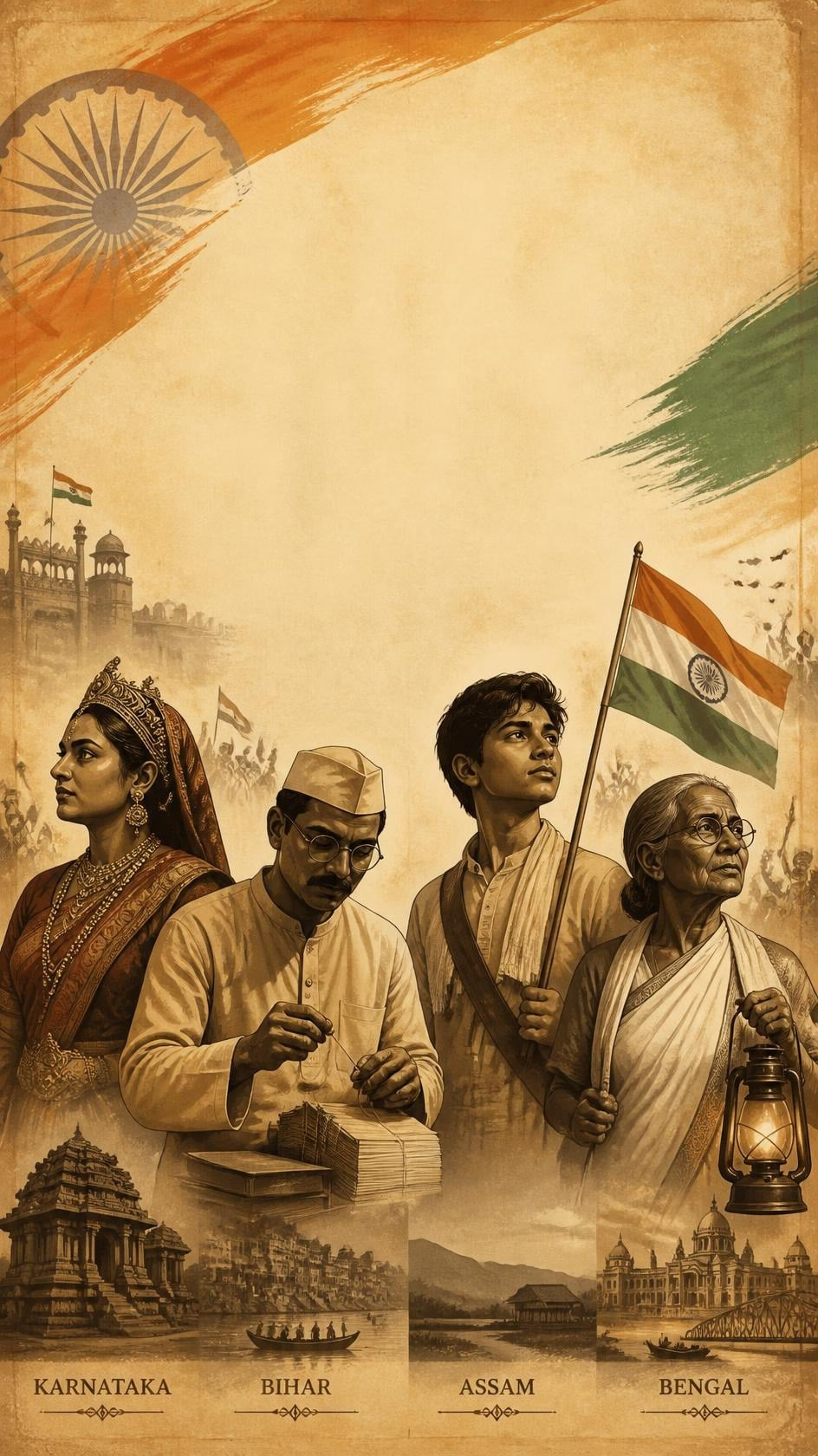
Swapna Kumbar , Bengaluru - India's freedom struggle was never confined to a single leader or a single city. It was fought in forest hills and river towns, in royal courts and quiet villages, by people whose names rarely made it into textbooks but whose courage shaped the nation just as decisively. Today, we travel across six states to meet the local heroes who turned regional resistance into a national force.
West Bengal: Matangini Hazra, the Flag-Bearer Who Would Not Fall
At 73 years old, Matangini Hazra was leading a procession of nearly six thousand people during the Quit India Movement in Tamluk, West Bengal, when British police opened fire to disperse the crowd. Struck by bullets, Hazra continued walking forward, holding the national flag upright until she finally collapsed. Her final act of defiance refusing to let the flag fall even as she did made her one of the most powerful symbols of sacrifice in the Quit India Movement.
Andhra Pradesh: Alluri Sitarama Raju and the Rampa Rebellion (1922)
In the forested hills of the Eastern Ghats, Alluri Sitarama Raju organized the tribal communities of the Rampa region into an armed resistance against British forest laws that had stripped them of their traditional land rights. Rejecting conventional warfare, Raju used guerrilla tactics swift raids on police stations and British outposts, followed by retreat into dense forest terrain the British struggled to navigate. Revered by locals as "Manyam Veerudu" (Hero of the Jungle), Raju evaded capture for nearly two years before being captured and executed in 1924. His rebellion remains one of the earliest and most striking examples of tribal resistance against colonial rule.
Assam: Kanaklata Baruah, the Teenage Martyr of Quit India
When the Quit India Movement swept across the country in 1942, a 17-year-old girl named Kanaklata Baruah stepped forward to lead a procession in Gohpur, Assam, with the goal of hoisting the national flag at the local police station. As the group approached, British police opened fire on the unarmed marchers. Kanaklata was shot and killed while still holding the flag aloft, becoming one of the youngest martyrs of the independence movement. Her sacrifice turned her into an enduring symbol of youthful courage in Assam's freedom history.
Bihar: Peer Ali Khan, the Bookbinder Who Organized a Revolt
Not every revolutionary carried a sword. In Patna, a bookbinder named Peer Ali Khan used his trade and his network of contacts to quietly organize anti-British resistance during the Revolt of 1857. He coordinated with local rebels, gathered arms, and helped plan uprisings against colonial authorities in the region. When the British uncovered his role, Peer Ali Khan was publicly executed a fate meant to serve as a warning, but one that instead cemented his place as a symbol of civilian defiance during the 1857 uprising.
Karnataka: Kittur Chennamma, the Queen Who Took Up Arms
Decades before the Revolt of 1857, Rani Kittur Chennamma was already resisting the British. As the queen of the princely state of Kittur, she led an armed rebellion in 1824 against the East India Company after it attempted to annex her kingdom under the Doctrine of Lapse, refusing to accept British rule over her land following her husband's and son's deaths. Her forces won an early victory, briefly capturing a British officer, before superior colonial firepower eventually crushed the rebellion. Chennamma died in captivity, but she is remembered today as one of the first Indian rulers to take up arms against British expansion.
Kerala: Pazhassi Raja, the Lion of Kerala
In the hill terrain of Kottayam and Wayanad, Pazhassi Raja waged a prolonged guerrilla war against British forces from the late 1790s into the early 1800s. Known as the "Lion of Kerala," he mobilized local tribal communities and used his deep knowledge of the region's forests and mountains to outmaneuver British troops for years. His resistance is considered one of the earliest organized armed struggles against colonial rule in India, predating many of the movements that would follow decades later.

SBI to Charge ₹15 for Cash Withdrawals Beyond Four Transactions from October 1
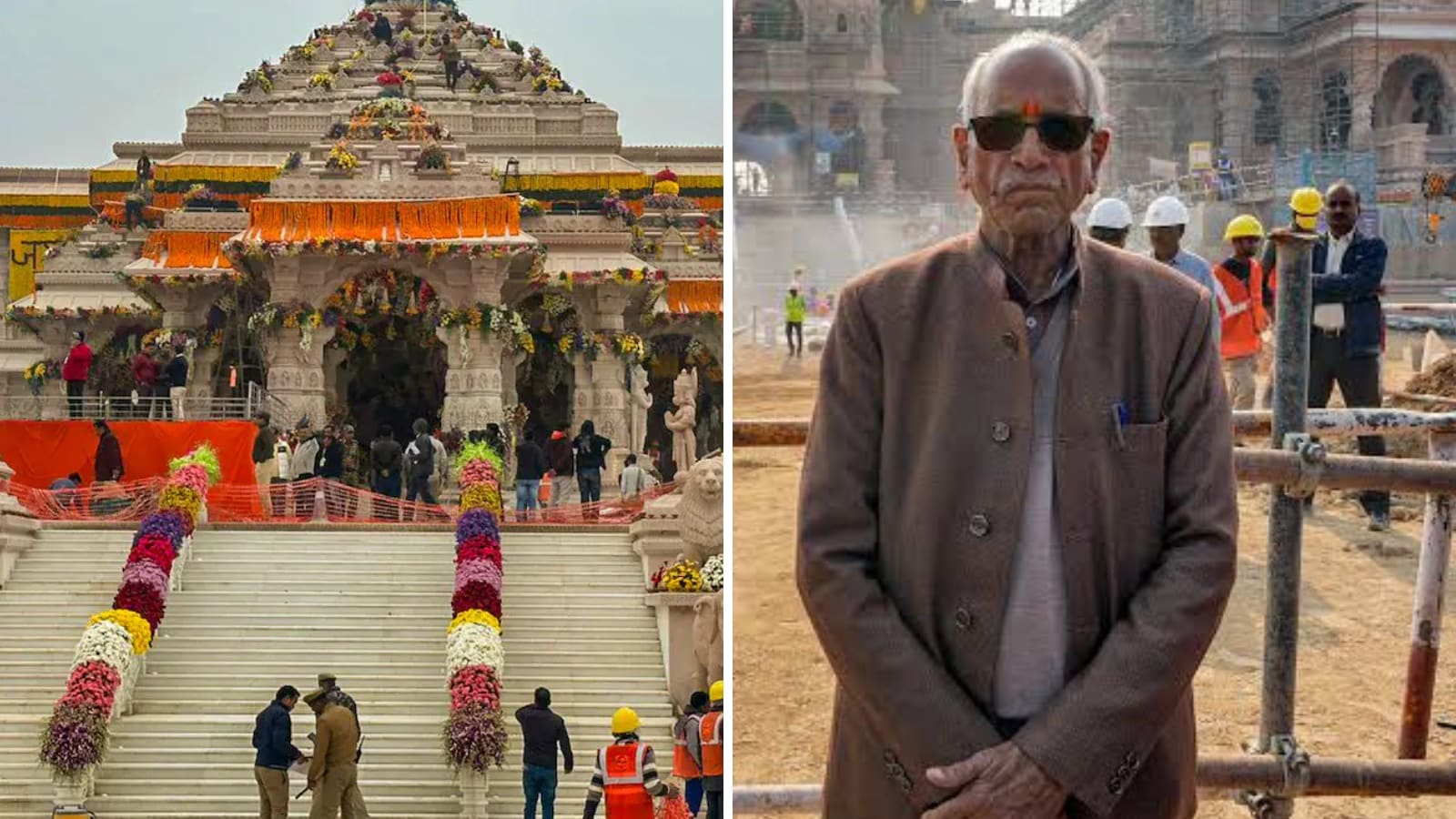
Champat Rai Questions Nripendra Misra, Releases 9-Page Statement

Meta Removes Illegal CSAM Accounts Following Government Action
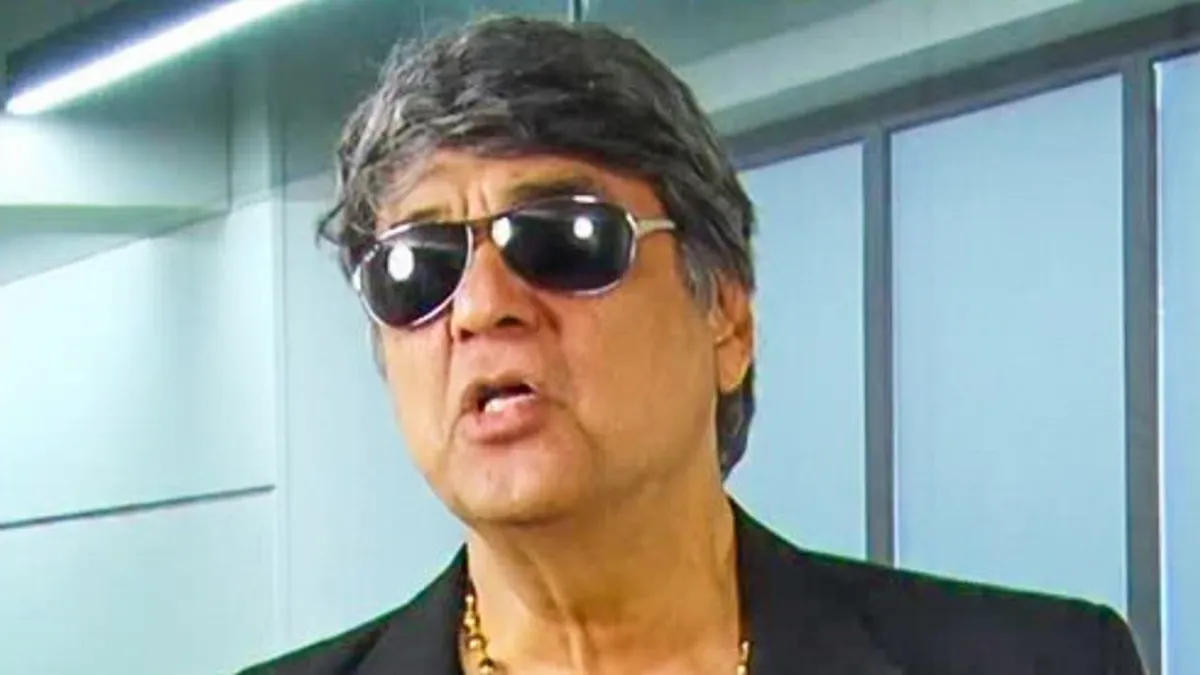
Mukesh Khanna’s call to replace “Jana Gana Mana” with “Vande Mataram” has sparked debate over India’s national symbols and the history behind them.
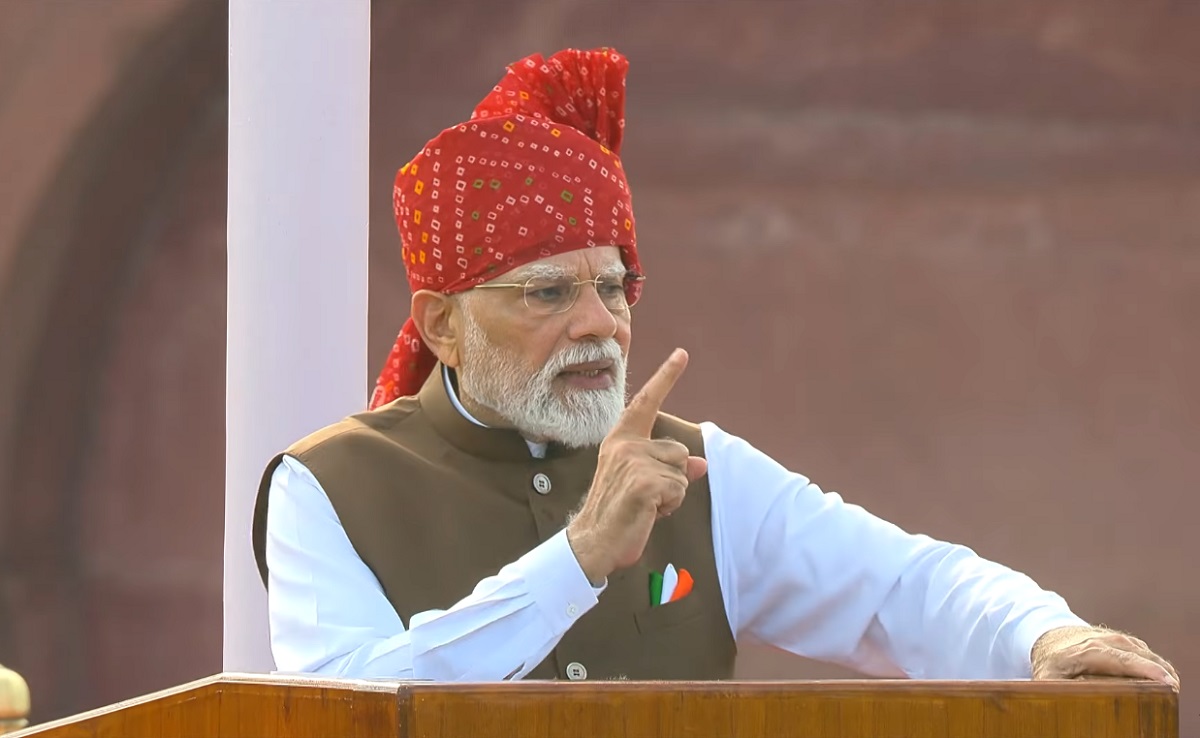
PM Modi warned against what he called “dimaagi Naxals,” urging their identification and isolation, while the Congress criticised the remarks as politically motivated.
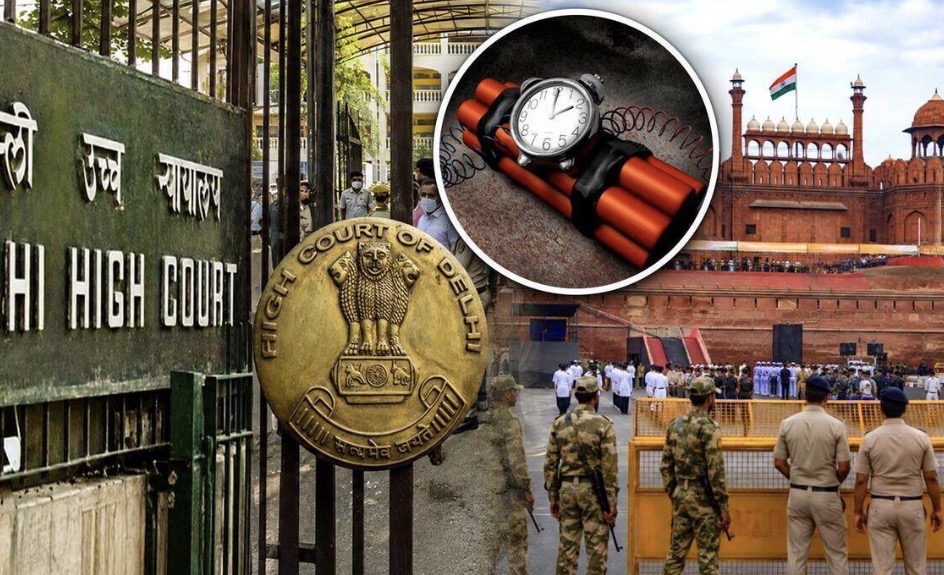
Bomb Threats Reported at Six Locations in Delhi, Security Agencies on High Alert
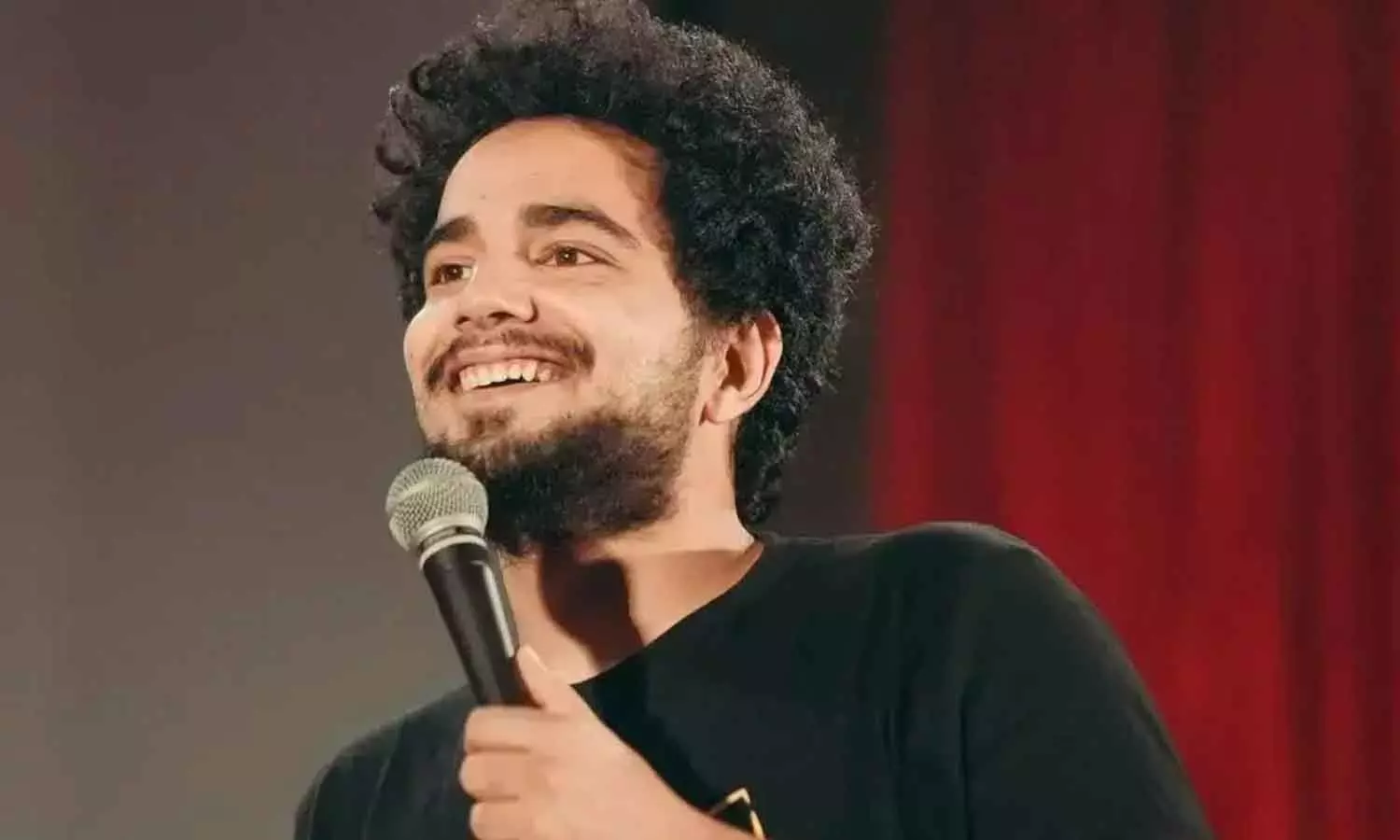
Supreme Court Grants Major Relief to Samay Raina, All FIRs in ‘India’s Got Latent’ Case Closed
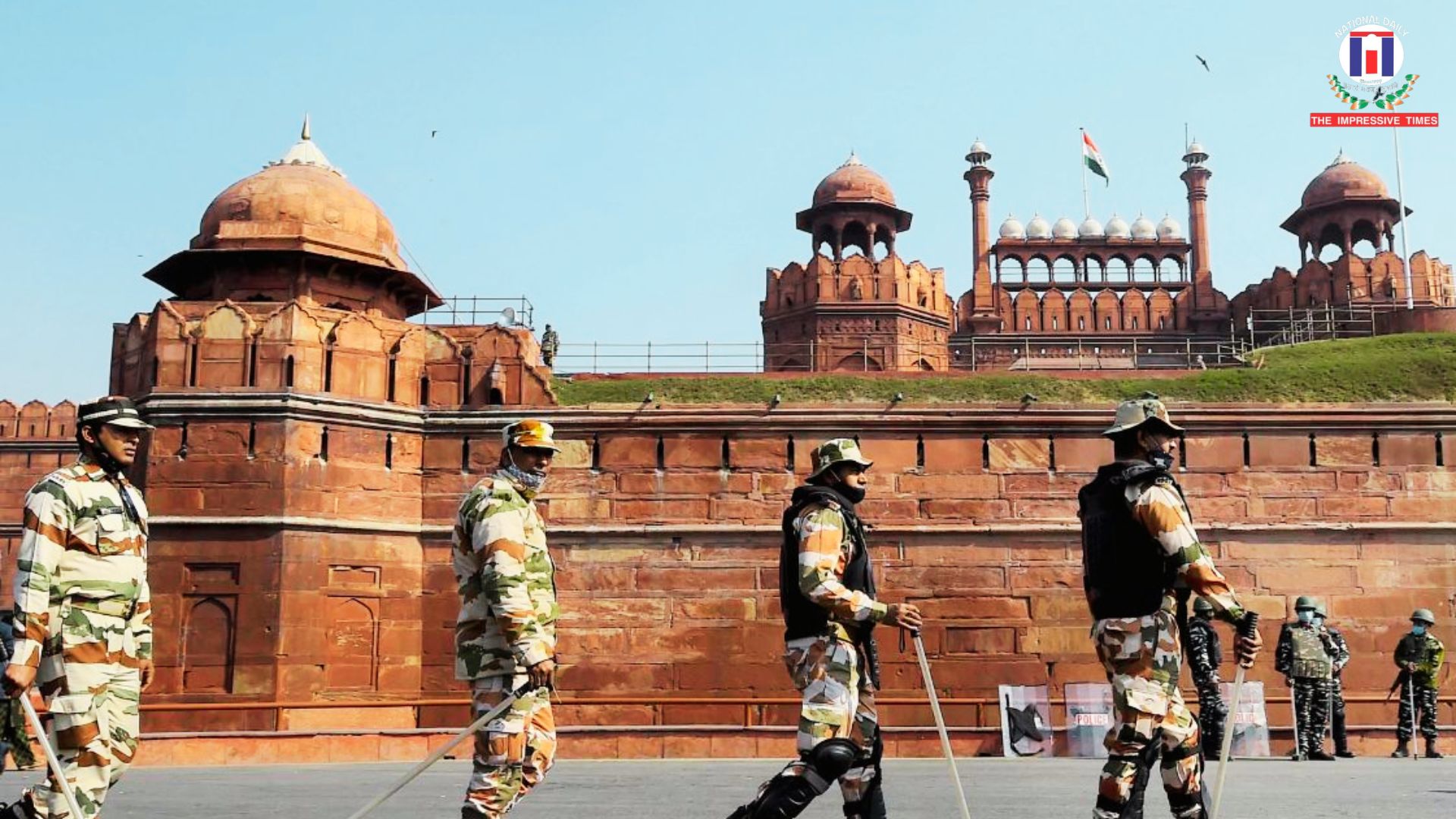
Security Tightened at Red Fort Ahead of Independence Day Celebrations
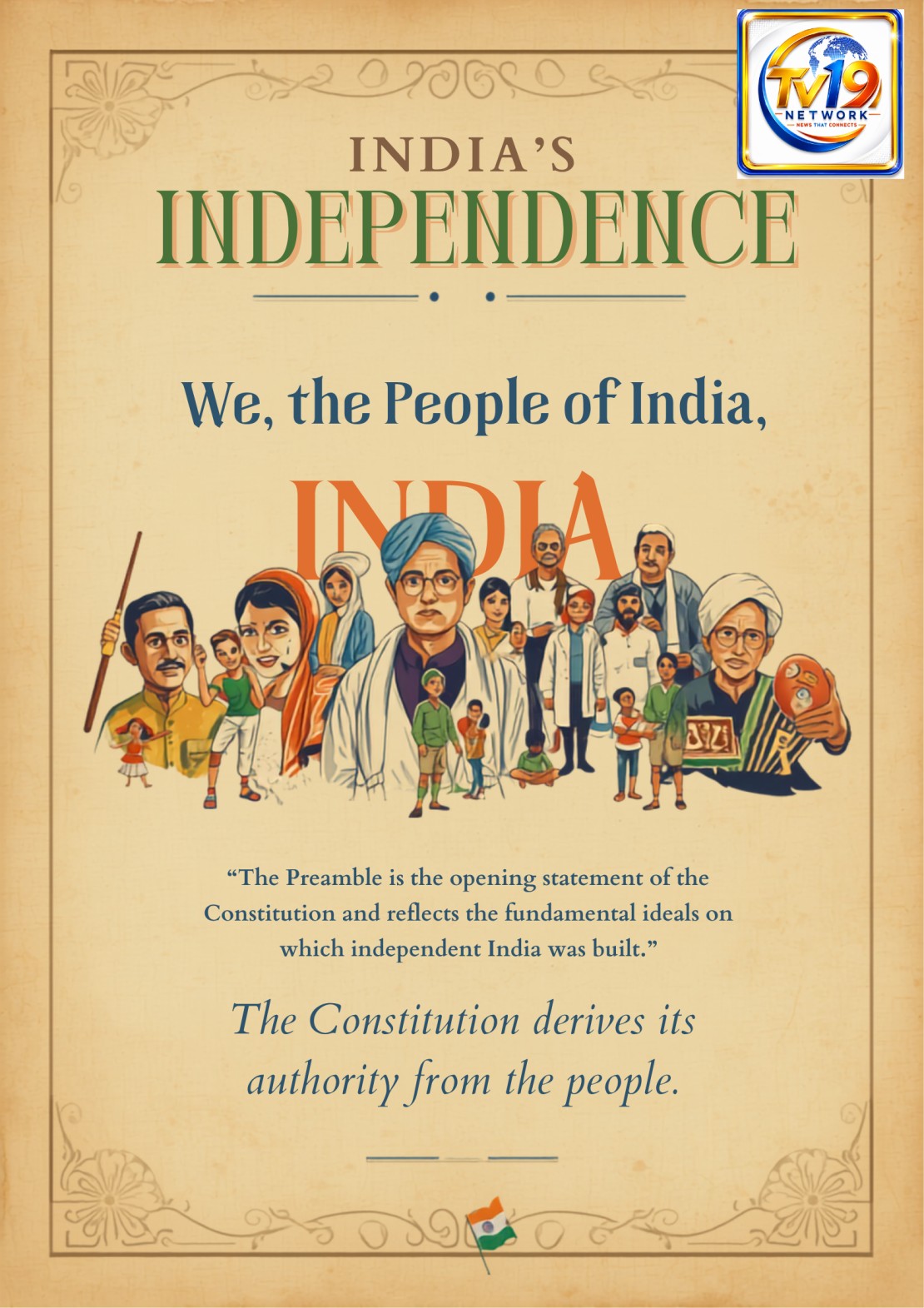
From winning freedom in 1947 to protecting the values of our Constitution today, the responsibility of building India belongs to all of us.
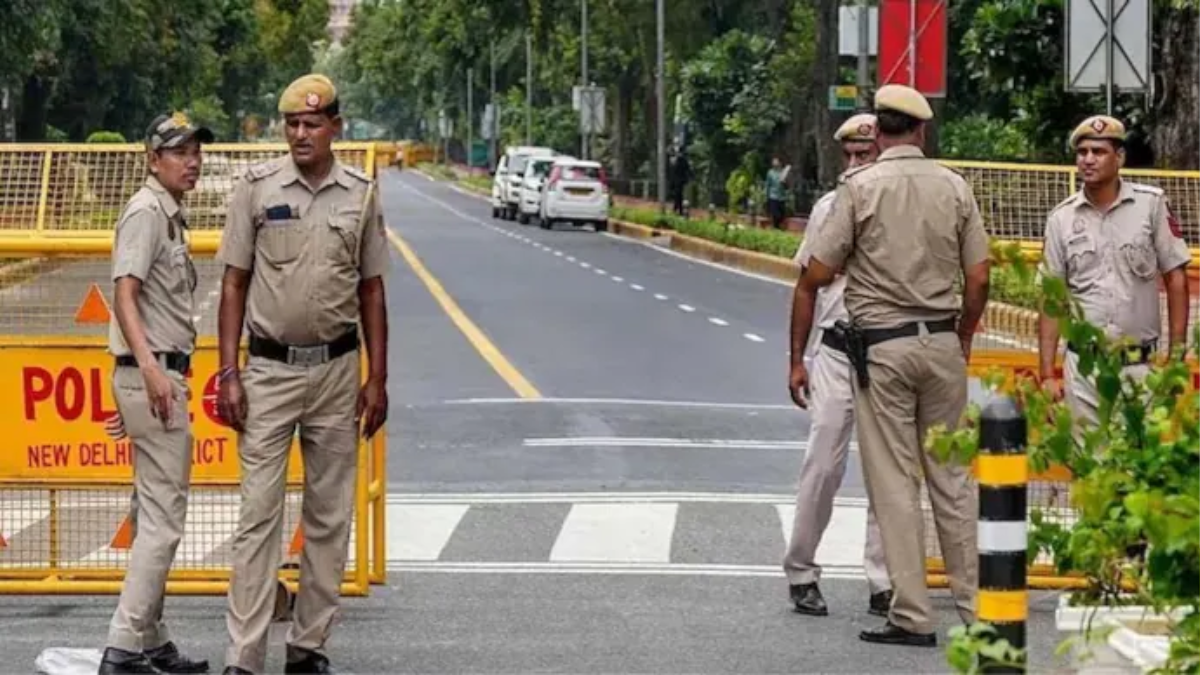
Delhi High Court Receives Bomb Threat, Security Tightened

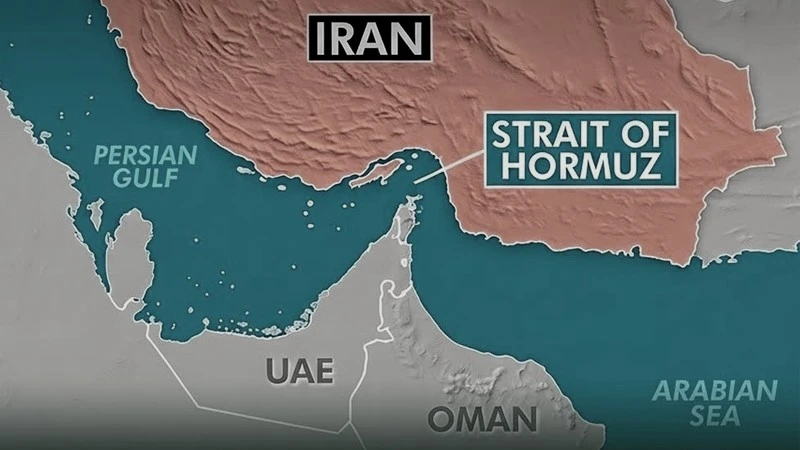
Iran, Oman and the U.S. are reportedly close to a Strait of Hormuz agreement tha...
.jpeg)
Fresh U.S. airstrikes in Iran reportedly killed 14 people, prompting Iranian ret...
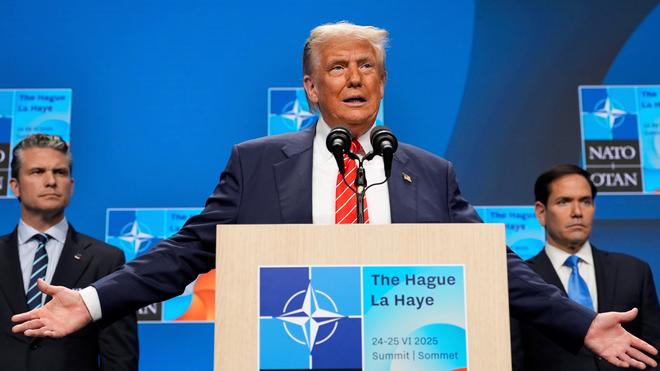
President Donald Trump claimed he is Iran’s “No. 1 target” after security measur...
.jpeg)
Three people were killed in U.S. strikes in western Iran as tensions escalated f...
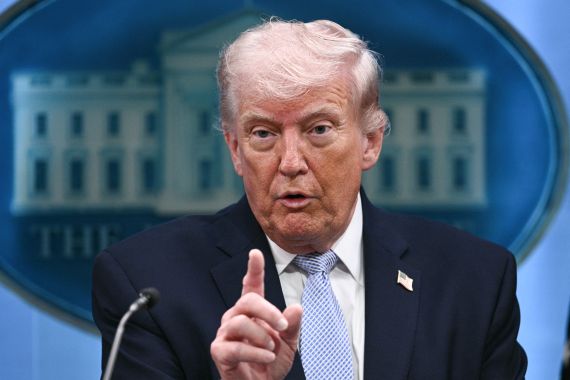
President Donald Trump said the Iran ceasefire is “over” following fresh U.S. st...