
Ranit Kr. Singh , New Delhi - Global average temperatures are projected to remain near record highs through 2030, according to the World Meteorological Organization's (WMO) latest Global Annual-to-Decadal Update released Thursday. Produced by the UK Met Office, the report reveals an 86% chance that a single year between 2026 and 2030 will dethrone 2024 as the warmest year on record. Alarmingly, there is a 75% probability that the entire five-year average will breach the key Paris Agreement threshold of 1.5°C above pre-industrial levels. Climatologists attribute this relentless trajectory to rising fossil fuel emissions alongside a looming El Niño phenomenon anticipated by late 2026, which drastically elevates the likelihood of 2027 becoming a landmark heat year.
The projections paint a stark picture for the Arctic, where upcoming extended winter temperatures are forecast to spike 2.8°C above the 1991–2020 baseline, shrinking sea ice across the Barents, Bering, and Okhotsk seas. While the report stresses that temporary, individual-year breaches do not mean the long-term, 20-year goals of the Paris Agreement are entirely out of reach, the immediate global impacts remain undeniable. Extreme heatwaves currently choking Europe and pushing temperatures to a blistering 48.2°C in Rajasthan, India, underscore the escalating crisis. UN Climate Chief Simon Stiell warned that these intense conditions showcase the "brutal human and economic impacts" of our ongoing fossil fuel reliance.
For regions like India, the forecast indicates increasingly severe challenges. The development of El Niño conditions is traditionally linked to harsher domestic summers and suppressed monsoon rainfall, threatening water security and agriculture. To mitigate damage, India’s Meteorological Department has already urged immediate agricultural interventions, such as frequent irrigation, to shield standing crops from devastating heat stress. As atmospheric warming triggers cascading weather extremes—including severe thundersqualls and heavy dust storms across Asia—scientists emphasize that cutting emissions rapidly remains the single most critical step to avoid cross-continental climate damage.

SBI to Charge ₹15 for Cash Withdrawals Beyond Four Transactions from October 1

Champat Rai Questions Nripendra Misra, Releases 9-Page Statement

Meta Removes Illegal CSAM Accounts Following Government Action

Mukesh Khanna’s call to replace “Jana Gana Mana” with “Vande Mataram” has sparked debate over India’s national symbols and the history behind them.

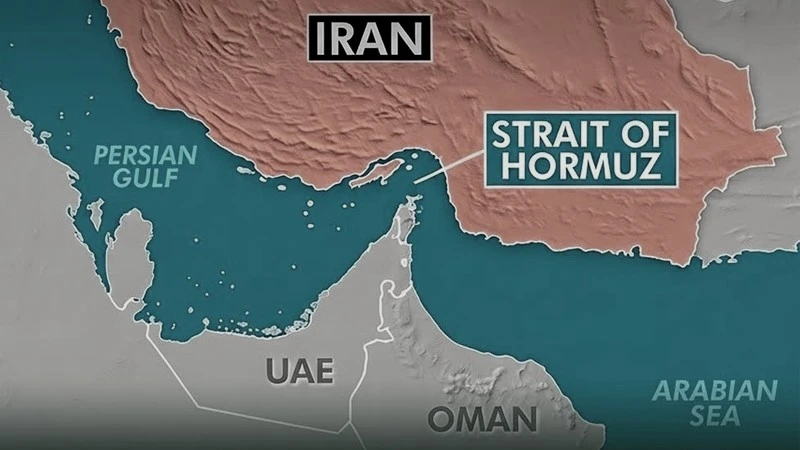
Iran, Oman and the U.S. are reportedly close to a Strait of Hormuz agreement tha...
.jpeg)
Fresh U.S. airstrikes in Iran reportedly killed 14 people, prompting Iranian ret...

President Donald Trump claimed he is Iran’s “No. 1 target” after security measur...
.jpeg)
Three people were killed in U.S. strikes in western Iran as tensions escalated f...

President Donald Trump said the Iran ceasefire is “over” following fresh U.S. st...