.jpeg)
Swapna Kumbar, Bengaluru- President Donald Trump announced "Project Freedom," a US military operation starting Monday, May 4, 2026, to guide over 2,000 stranded ships carrying around 20,000 sailors out of the Strait of Hormuz, which Iran claims control over amid an ongoing ceasefire. The strait, vital for 20% of global oil has seen hundreds of vessels trapped since hostilities erupted after Iran's Supreme Leader's death in late February, with at least 22 ships attacked and crew losses reported. L Trump framed it as humanitarian aid for "neutral" nations' crews facing shortages, backed by CENTCOM assets including destroyers, aircraft, and 15,000 personnel.
Iran's military swiftly condemned the move as a ceasefire violation agreed April 7-8 and warned it would target any US forces entering the strait, with commanders like Ali Abdollahi urging commercial ships to coordinate solely with Tehran. Tehran views the waterway as under its maritime regime post-conflict, insisting foreign intervention ends the truce and risks escalation. US officials signal a deterrence approach, positioning naval forces nearby for rapid response rather than direct escorts, while Trump promised forceful retaliation against interference. The standoff threatens energy markets, with blockades already slashing oil/gas supplies and spiking prices; analysts question if "Project Freedom" can succeed logistically without Iranian buy in. Amid US naval blockades on Iranian ports and failed talks, this could pivot toward de-escalation or fresh clashes.
"Project Freedom" tests the fragile US-Iran ceasefire, balancing humanitarian relief against escalation risks in a chokepoint for world trade. With markets watching and sailors in peril, diplomatic breakthroughs mblike Iran's 14-point proposal offer the only path to averting wider conflict.
.jpeg)
Trump cited India’s voter-ID system while backing the SAVE America Act, highlighting differences in voting rules between the two countries.
.jpeg)
A Russian missile strike hit Lakshmi Mittal-linked ArcelorMittal’s steel plant in Ukraine, killing two and injuring several others as the war escalates.
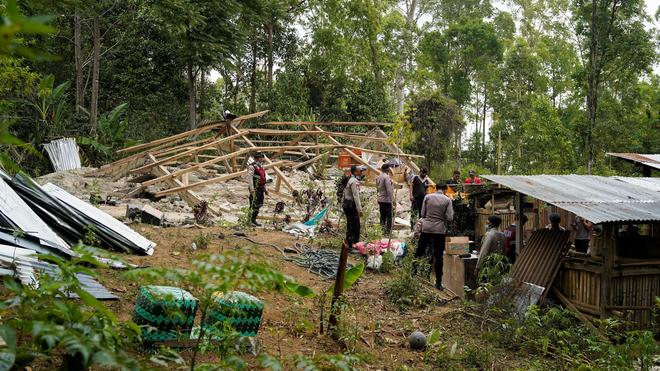
A powerful earthquake in Indonesia has killed 53 people and forced around 5,000 to evacuate, as aftershocks and landslides hamper rescue efforts.

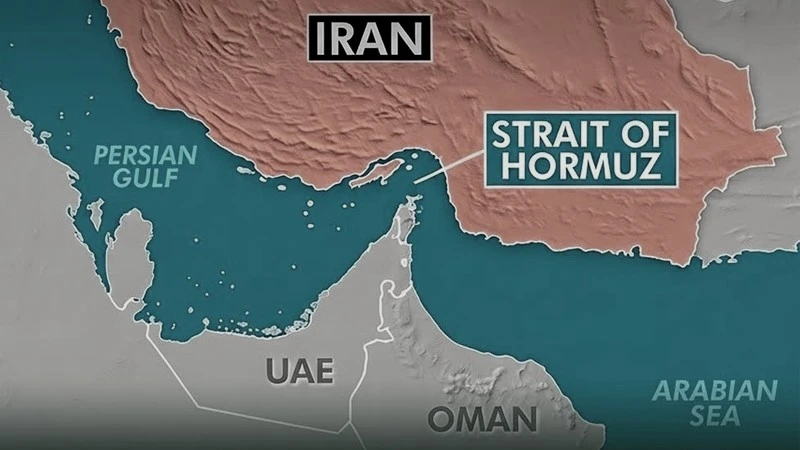
Iran, Oman and the U.S. are reportedly close to a Strait of Hormuz agreement tha...
.jpeg)
Fresh U.S. airstrikes in Iran reportedly killed 14 people, prompting Iranian ret...
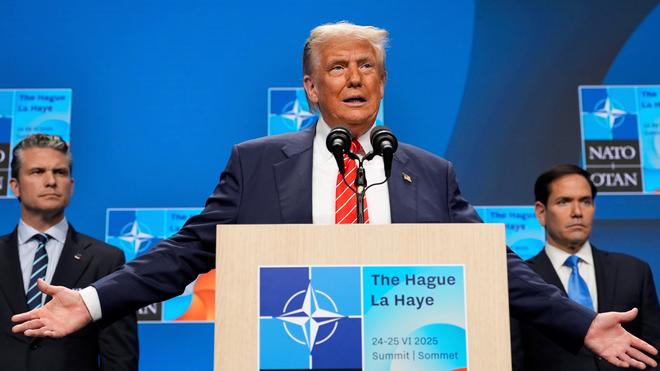
President Donald Trump claimed he is Iran’s “No. 1 target” after security measur...
.jpeg)
Three people were killed in U.S. strikes in western Iran as tensions escalated f...
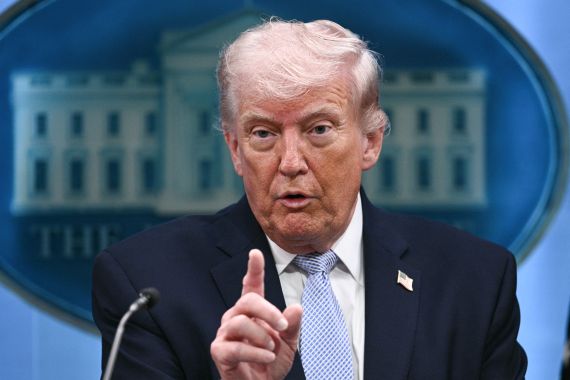
President Donald Trump said the Iran ceasefire is “over” following fresh U.S. st...