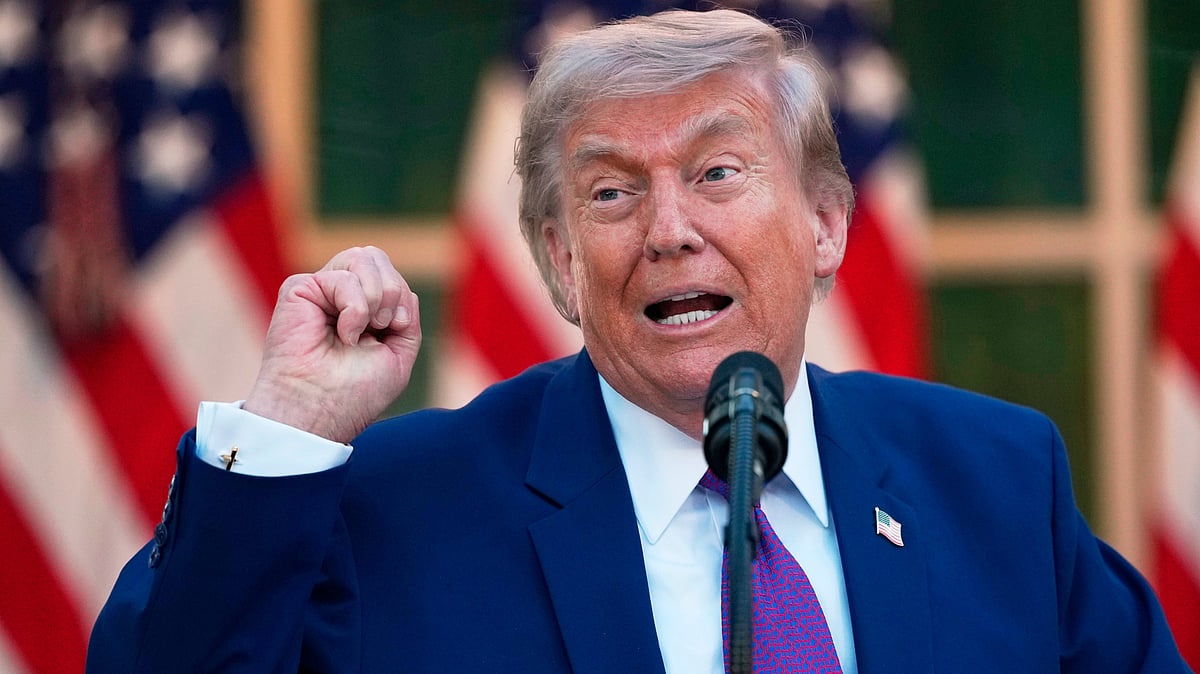
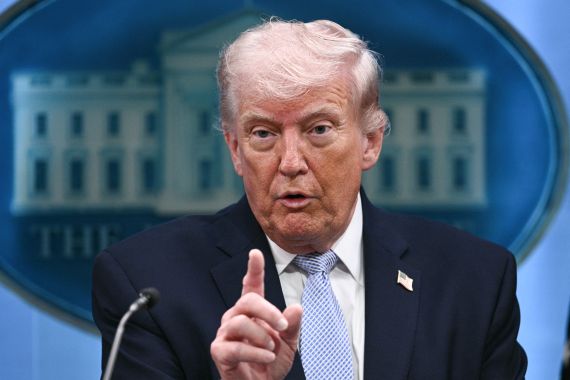
Swapna Kumbar , Bengaluru - Tensions in West Asia have surged once again after U.S. President Donald Trump issued a sharp warning to Iran, saying the country had taken too long to negotiate and would now "have to pay the price." The remarks came amid a fresh round of military exchanges between Washington and Tehran, raising concerns that recent ceasefire efforts could collapse.
The latest escalation began after U.S. forces carried out strikes on Iranian military assets near the Strait of Hormuz following the downing of an American Apache helicopter. In response, Iran launched missile and drone attacks targeting U.S. military facilities in Jordan, Bahrain, and other Gulf locations. Trump defended the American response and accused Tehran of prolonging negotiations, warning that Iran would face consequences for its actions. The renewed hostilities mark the most serious confrontation between the two countries since the April ceasefire.
Meanwhile, Iran's Foreign Ministry called on Gulf countries to prevent the United States and Israel from using their territory, airspace, or military facilities to conduct operations against Iran. Tehran said neighboring states have a "legal and moral responsibility" to stop any support for hostile actions. The appeal comes as regional governments closely monitor the crisis, fearing a wider conflict that could threaten security and disrupt energy supplies through the strategically vital Strait of Hormuz.
With military strikes continuing and diplomatic efforts under increasing strain, hopes for a lasting peace deal in West Asia appear uncertain. As both Washington and Tehran harden their positions, regional and global powers are intensifying efforts to prevent the conflict from spiraling into a broader war with significant geopolitical and economic consequences.
.jpeg)
Trump cited India’s voter-ID system while backing the SAVE America Act, highlighting differences in voting rules between the two countries.
.jpeg)
A Russian missile strike hit Lakshmi Mittal-linked ArcelorMittal’s steel plant in Ukraine, killing two and injuring several others as the war escalates.
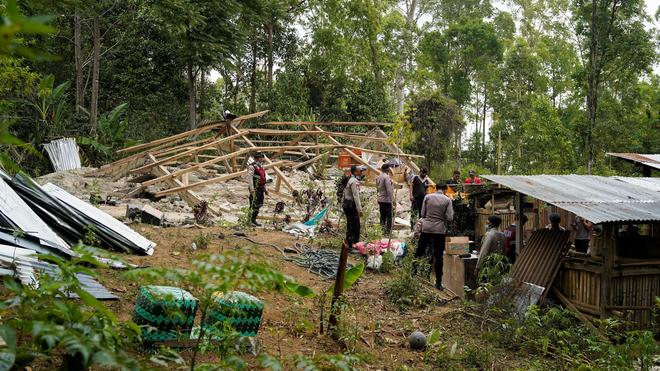
A powerful earthquake in Indonesia has killed 53 people and forced around 5,000 to evacuate, as aftershocks and landslides hamper rescue efforts.

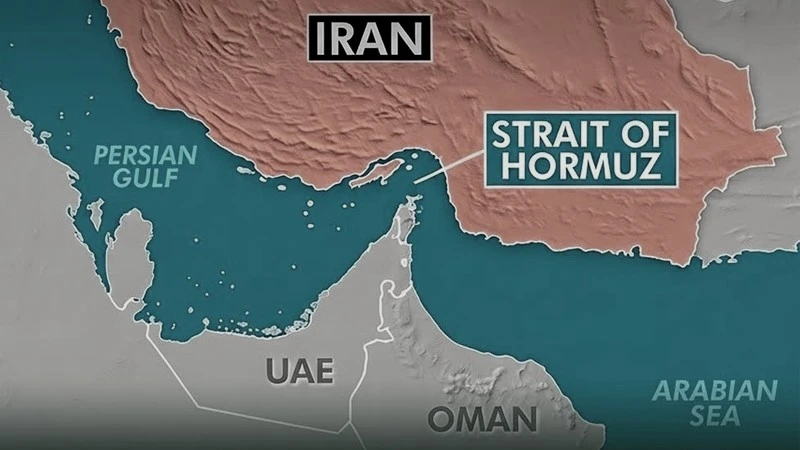
Iran, Oman and the U.S. are reportedly close to a Strait of Hormuz agreement tha...
.jpeg)
Fresh U.S. airstrikes in Iran reportedly killed 14 people, prompting Iranian ret...
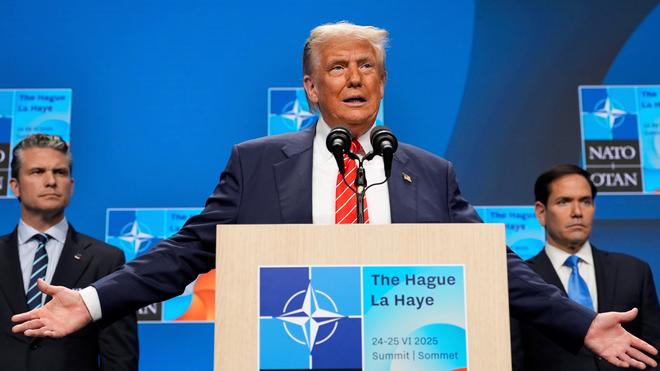
President Donald Trump claimed he is Iran’s “No. 1 target” after security measur...
.jpeg)
Three people were killed in U.S. strikes in western Iran as tensions escalated f...
President Donald Trump said the Iran ceasefire is “over” following fresh U.S. st...