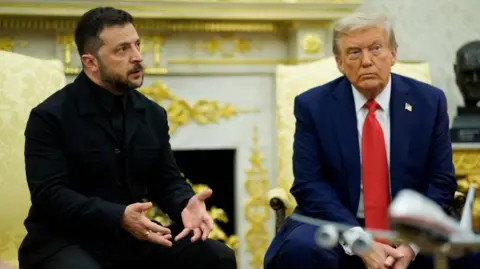
Desk Correspondent , Washington D.C - President Donald Trump has sent a clear message to the world regarding his upcoming meeting with Ukrainian President Volodymyr Zelensky. Ahead of the highly anticipated talks, Trump signaled that he will take a dominant role in defining the future of the conflict. He suggested that Ukraine’s position remains uncertain until the United States establishes a clear boundary and direction for a potential peace deal. This "drawing of a line" reflects Trump’s direct and bold approach to foreign policy, focusing on reaching a quick resolution to the long-standing war.
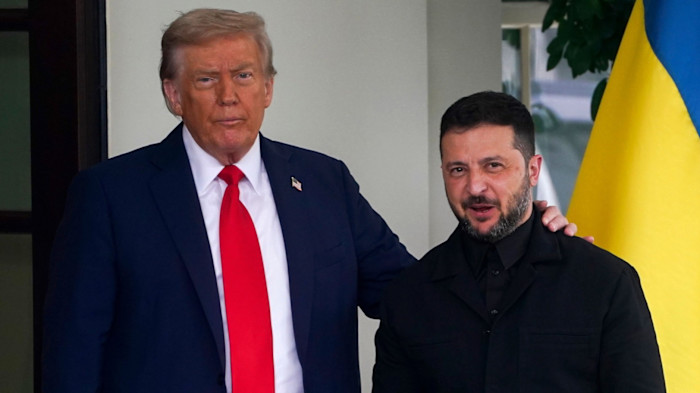
The President’s comments have created a sense of urgency and tension as the two leaders prepare to sit down together. Analysts believe that Trump intends to leverage American support to push for a diplomatic settlement that aligns with his "America First" agenda. A source familiar with the administration's thinking explained the President’s firm position by saying, "He doesn’t have anything until Donald Trump draws a line and decides the next steps for the region." This suggests that the U.S. will no longer offer open-ended support without specific conditions for ending the fighting.
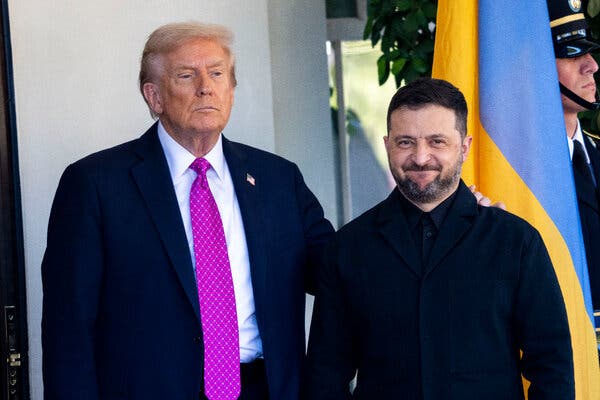
Global leaders are watching closely to see how Zelensky will react to this shift in American strategy. While some hope for a breakthrough that stops the violence, others worry that a forced peace might not be fair to Ukraine. Trump remains confident that his personal negotiation skills can achieve what others could not. Highlighting his mindset before the meeting, he stated, "We are going to find a way to stop the killing and bring peace to a part of the world that has seen too much war." As the meeting approaches, the world waits to see where exactly that line will be drawn.
.jpeg)
Trump cited India’s voter-ID system while backing the SAVE America Act, highlighting differences in voting rules between the two countries.
.jpeg)
A Russian missile strike hit Lakshmi Mittal-linked ArcelorMittal’s steel plant in Ukraine, killing two and injuring several others as the war escalates.
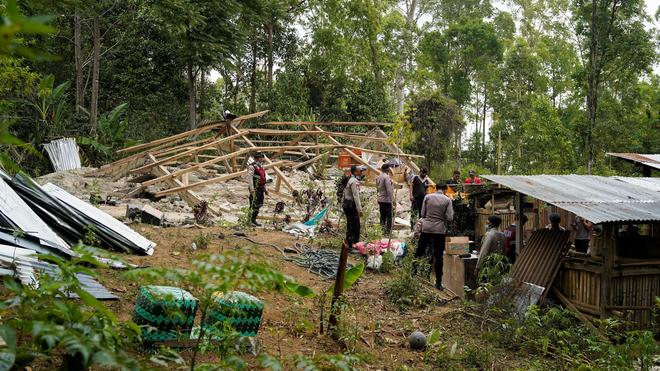
A powerful earthquake in Indonesia has killed 53 people and forced around 5,000 to evacuate, as aftershocks and landslides hamper rescue efforts.

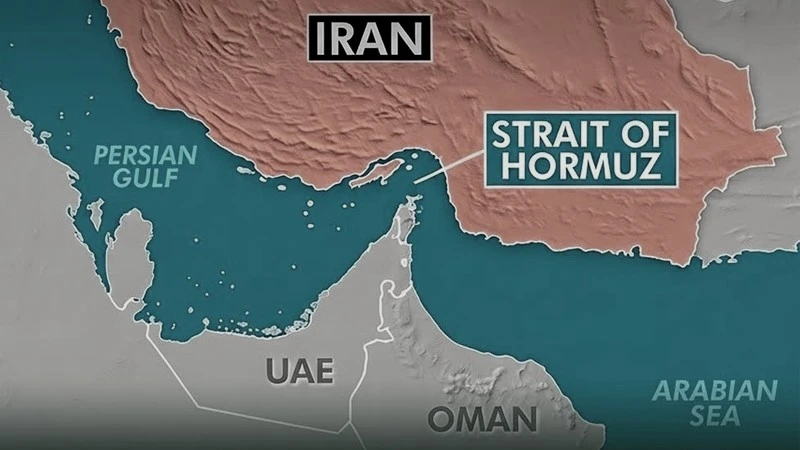
Iran, Oman and the U.S. are reportedly close to a Strait of Hormuz agreement tha...
.jpeg)
Fresh U.S. airstrikes in Iran reportedly killed 14 people, prompting Iranian ret...
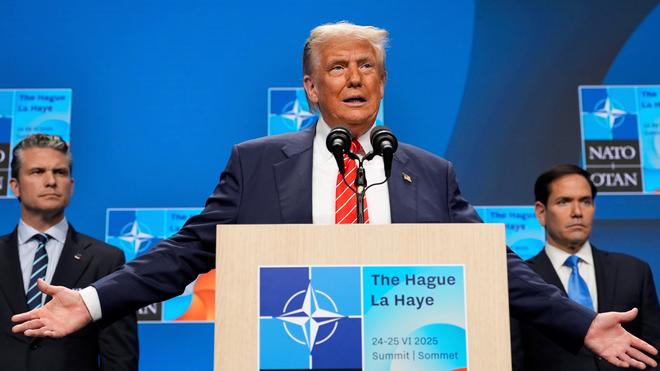
President Donald Trump claimed he is Iran’s “No. 1 target” after security measur...
.jpeg)
Three people were killed in U.S. strikes in western Iran as tensions escalated f...
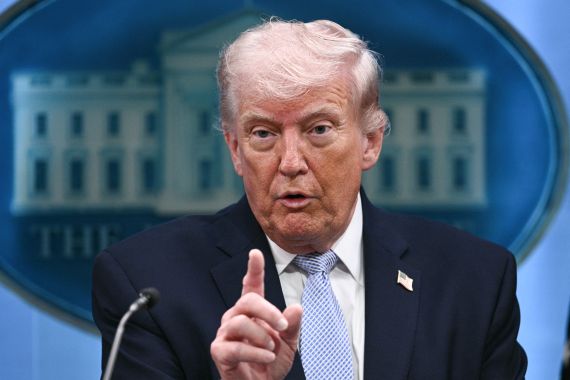
President Donald Trump said the Iran ceasefire is “over” following fresh U.S. st...