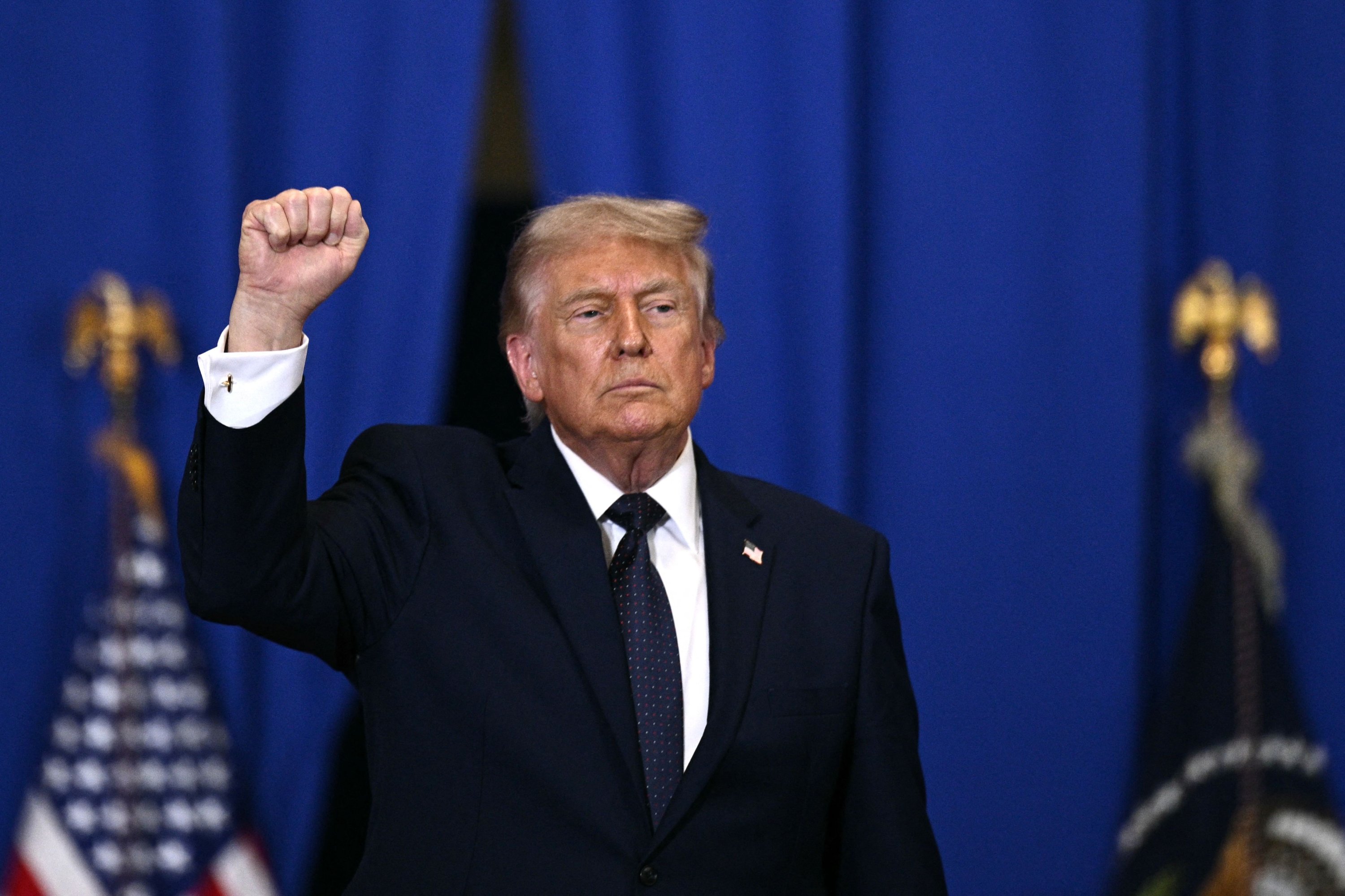
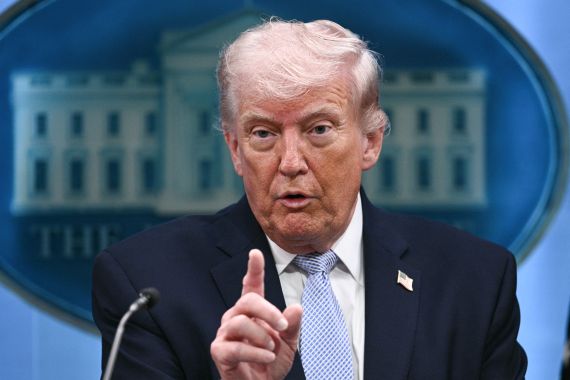
Swapna Kumbar , Bengaluru - US President Donald Trump has intensified pressure on Middle Eastern allies by linking any future agreement with Iran to the expansion of the Abraham Accords the US brokered framework aimed at normalising relations with Israel. Trump said countries including Saudi Arabia, Qatar, Pakistan, and Turkey should join the accords, arguing that regional cooperation and diplomatic recognition of Israel should form part of a broader Middle East peace strategy.
Speaking during recent discussions on Iran negotiations, Trump stated that Gulf nations “owe it to us” to formally join the Abraham Accords after years of US involvement in regional security and diplomacy. He reportedly suggested that Washington could reconsider aspects of an Iran agreement if key Muslim majority countries refuse to participate in the Israel normalisation framework. Trump’s special envoys, including Steve Witkoff and Jared Kushner, are said to be in actively encouraging additional countries to sign onto the accords, which were first established during Trump’s previous term in office.
The proposal has added a new layer of complexity to already fragile negotiations involving Iran, the Strait of Hormuz, and regional ceasefire efforts. While Trump argues that expanding the accords could strengthen economic cooperation and long term regional stability, several countries remain hesitant. Saudi Arabia has repeatedly maintained that any normalisation with Israel would require meaningful progress toward Palestinian statehood, while Pakistan has publicly rejected the possibility of joining the framework. Analysts say linking the Abraham Accords to Iran negotiations could either reshape Middle East diplomacy or create additional obstacles in an already volatile geopolitical environment.
Trump’s latest push reflects an effort to transform the ongoing Iran negotiations into a wider regional realignment centered around Israel-Arab normalisation. However, with major political and ideological disagreements still unresolved, it remains uncertain whether the strategy will bring diplomatic breakthroughs or deepen tensions across West Asia.
.jpeg)
Trump cited India’s voter-ID system while backing the SAVE America Act, highlighting differences in voting rules between the two countries.
.jpeg)
A Russian missile strike hit Lakshmi Mittal-linked ArcelorMittal’s steel plant in Ukraine, killing two and injuring several others as the war escalates.
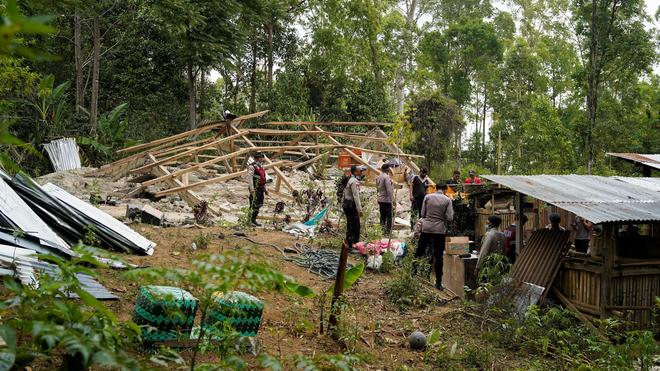
A powerful earthquake in Indonesia has killed 53 people and forced around 5,000 to evacuate, as aftershocks and landslides hamper rescue efforts.

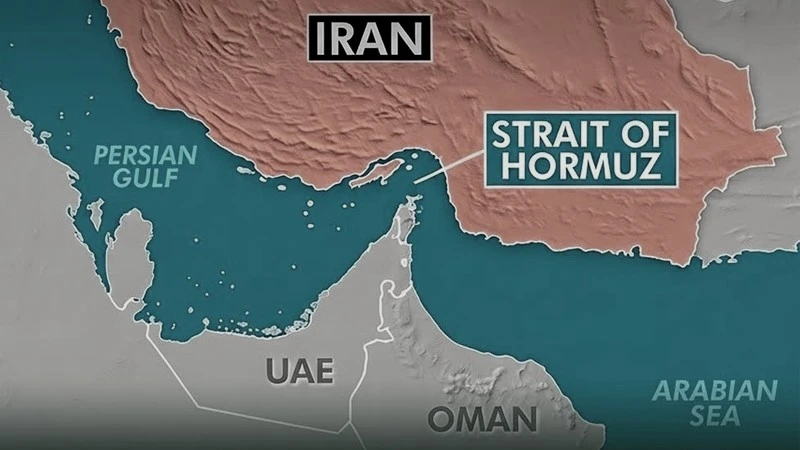
Iran, Oman and the U.S. are reportedly close to a Strait of Hormuz agreement tha...
.jpeg)
Fresh U.S. airstrikes in Iran reportedly killed 14 people, prompting Iranian ret...
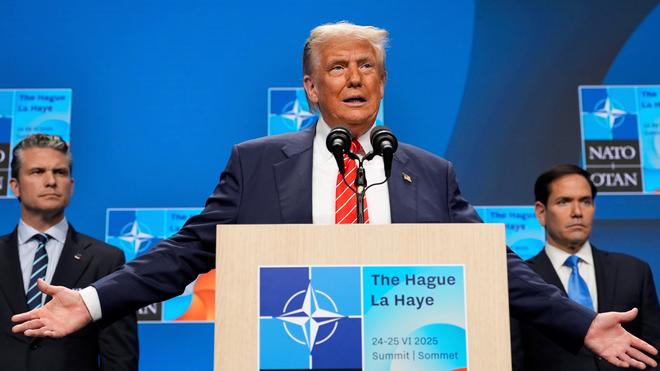
President Donald Trump claimed he is Iran’s “No. 1 target” after security measur...
.jpeg)
Three people were killed in U.S. strikes in western Iran as tensions escalated f...
President Donald Trump said the Iran ceasefire is “over” following fresh U.S. st...