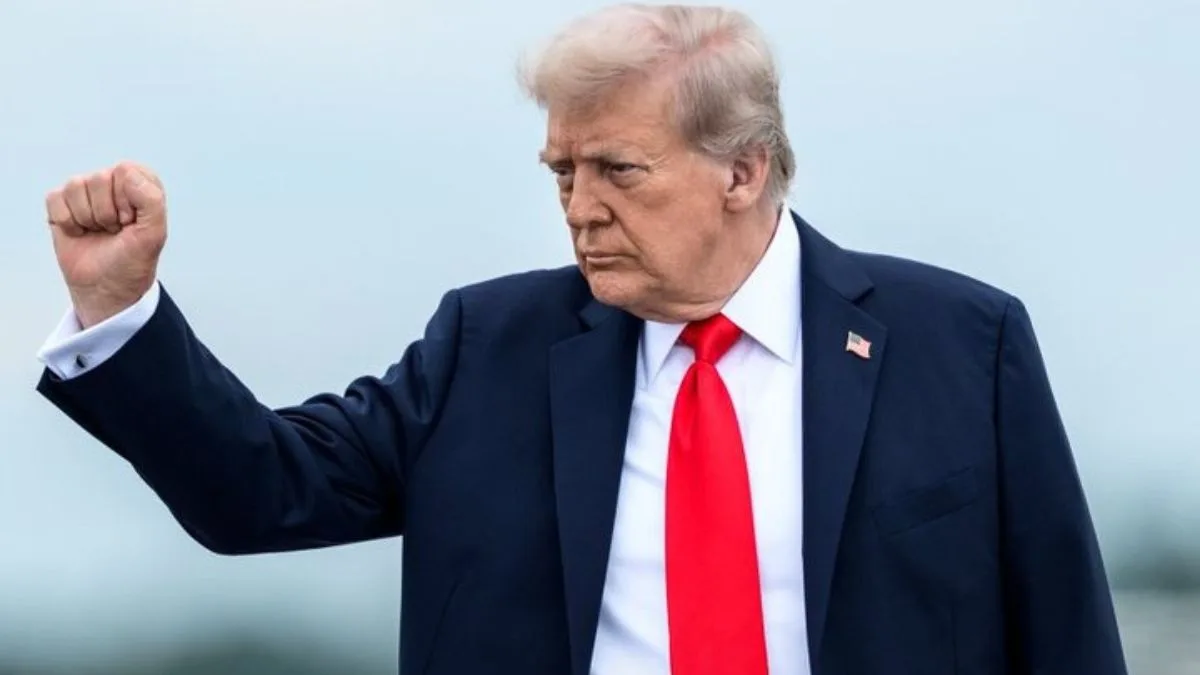
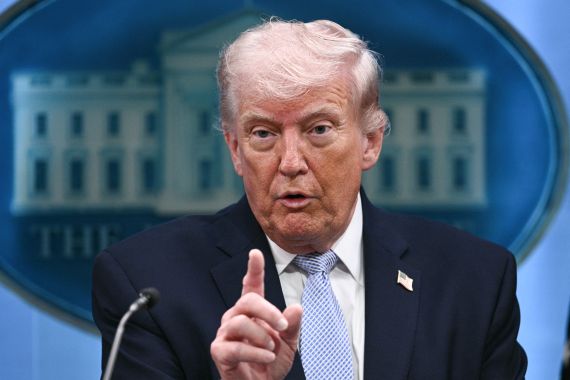
Swapna Kumbar , Bengaluru - President Donald Trump unleashed on critics questioning his Iran strategy, calling their skepticism actually treasonous while warning that an unchecked Iranian regime could have destroyed Europe and the Middle East without US intervention. Speaking amid the Hormuz blockade standoff, Trump defended his approach as decisive leadership that neutralized Tehran's nuclear threat and proxy network, contrasting it with what he labeled weak Democratic opposition.
Trump specifically targeted pundits and ex-officials claiming the US isn't winning the Iran conflict, asserting Iran's leadership is decimate they have no leaders; their leaders are all gone and its economy is collapsing under sanctions and naval pressure. He framed the war as preventive action against a regional catastrophe, saying Iran's nuclear program and missile arsenal posed existential risks to Israel, Gulf allies, and NATO's southern flank that only American resolve could stop. The remarks echo Trump's past use of treasonous against domestic adversaries from 2018 State of the Union non applauders to Russia probe critics but here target Iran war doubters questioning $25-50 billion costs, blockade efficacy, and constitutional war powers debates. Critics fired back that such rhetoric stifles legitimate oversight, while Trump allies praise his unapologetic stance amid fragile ceasefires and oil market volatility.
Trump's treason accusation against Iran hawks escalates domestic political warfare paralleling the Hormuz crisis, positioning himself as sole defender against civilizational collapse. By invoking Europe and Middle East destruction scenarios, he reframes costly stalemate as strategic triumph but risks alienating Congress as repair bills mount and deadlines loom.
.jpeg)
Trump cited India’s voter-ID system while backing the SAVE America Act, highlighting differences in voting rules between the two countries.
.jpeg)
A Russian missile strike hit Lakshmi Mittal-linked ArcelorMittal’s steel plant in Ukraine, killing two and injuring several others as the war escalates.
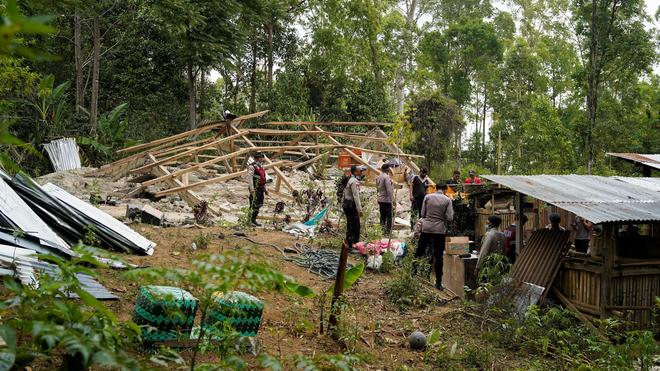
A powerful earthquake in Indonesia has killed 53 people and forced around 5,000 to evacuate, as aftershocks and landslides hamper rescue efforts.

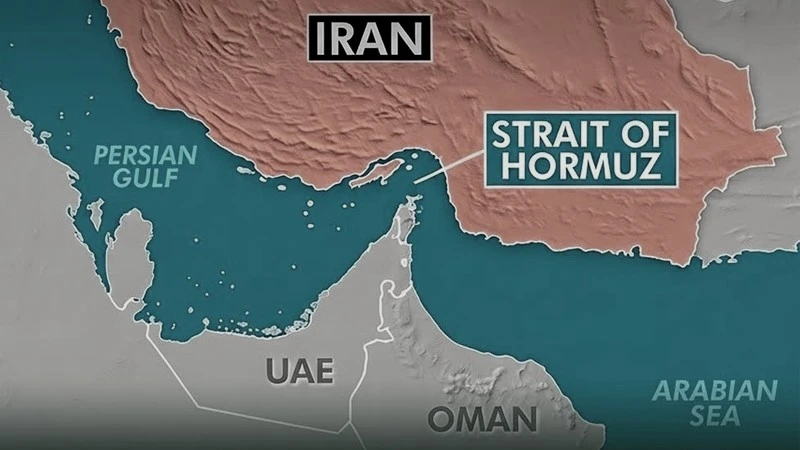
Iran, Oman and the U.S. are reportedly close to a Strait of Hormuz agreement tha...
.jpeg)
Fresh U.S. airstrikes in Iran reportedly killed 14 people, prompting Iranian ret...
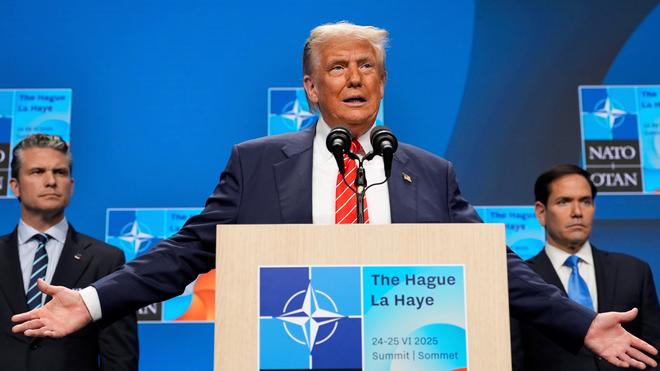
President Donald Trump claimed he is Iran’s “No. 1 target” after security measur...
.jpeg)
Three people were killed in U.S. strikes in western Iran as tensions escalated f...
President Donald Trump said the Iran ceasefire is “over” following fresh U.S. st...