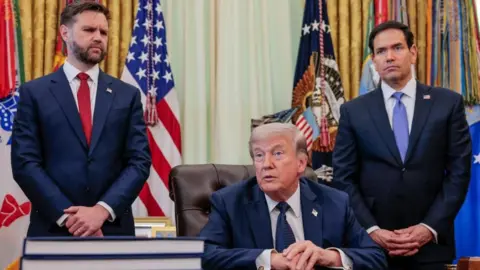
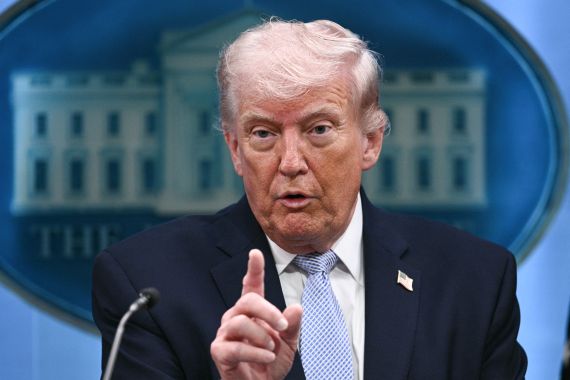
Swapna Kumbar , Bengaluru - President Donald Trump has announced that Israel and Lebanon have agreed to extend their ceasefire by three weeks, following high-level talks at the White House. The original 10-day truce, which began on April 16, was set to expire soon, but the extension creates crucial breathing room for negotiations aimed at a more permanent peace agreement between Israel and Hezbollah. Trump revealed plans to host Israeli Prime Minister Benjamin Netanyahu and Lebanese President Joseph Aoun in Washington in the coming weeks to advance broader regional de-escalation.
The ceasefire extension comes amid parallel US efforts to manage the separate Iran conflict in the Strait of Hormuz, where Trump recently extended a different truce indefinitely at Pakistan's request. While the Israel-Lebanon agreement marks progress in reducing border hostilities, Trump noted that the truce has not been complete, with sporadic violations reported from both sides. Israel maintains a yellow line buffer zone in southern Lebanon, instructing civilians not to cross south at risk of military action, while US support for Lebanon's defense against Hezbollah continues.
The three week extension provides a framework for confidence building measures, including potential Israeli withdrawals from contested border areas and Lebanese commitments to curb Hezbollah's military presence near the frontier. White House officials described the talks as productive, crediting Trump's personal diplomacy for bridging gaps between the two parties. Regional analysts see the move as strategically linked to the Iran negotiations, reducing multi front pressures on Israel while stabilizing energy markets already rattled by Hormuz tensions.
Trump's successful brokering of the Israel-Lebanon ceasefire extension demonstrates his administration's parallel track approach to Middle East de-escalation, addressing both the Hezbollah front and Iran simultaneously. The three week window offers a critical opportunity for substantive progress toward lasting border security arrangements, potentially paving the way for wider regional normalization. However, with planned summits looming and ongoing Iranian pressures nearby, the extension's success hinges on swift implementation of agreed measures before ceasefire fatigue sets in.
.jpeg)
Trump cited India’s voter-ID system while backing the SAVE America Act, highlighting differences in voting rules between the two countries.
.jpeg)
A Russian missile strike hit Lakshmi Mittal-linked ArcelorMittal’s steel plant in Ukraine, killing two and injuring several others as the war escalates.
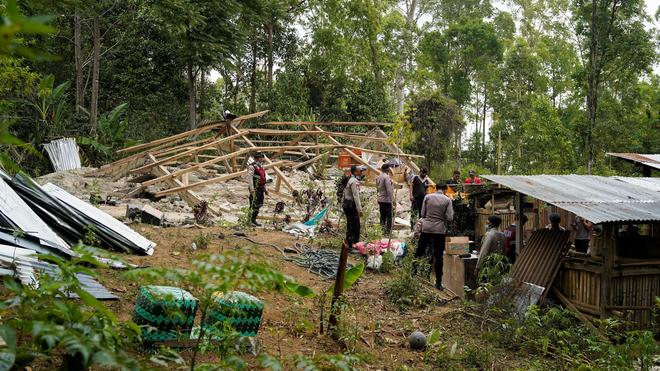
A powerful earthquake in Indonesia has killed 53 people and forced around 5,000 to evacuate, as aftershocks and landslides hamper rescue efforts.

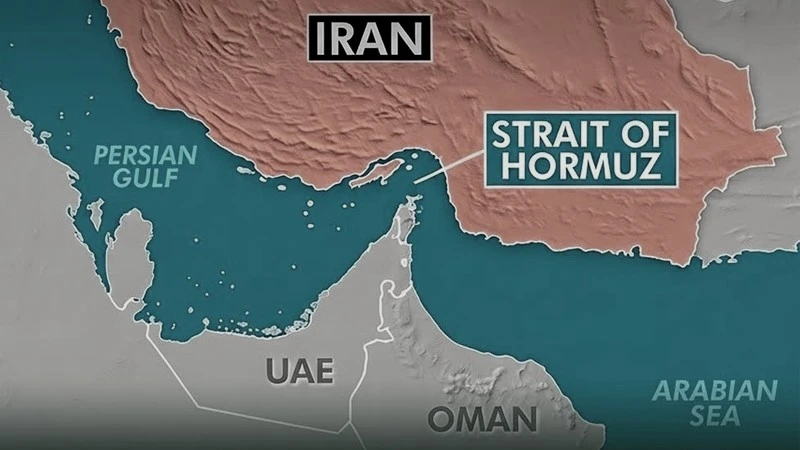
Iran, Oman and the U.S. are reportedly close to a Strait of Hormuz agreement tha...
.jpeg)
Fresh U.S. airstrikes in Iran reportedly killed 14 people, prompting Iranian ret...
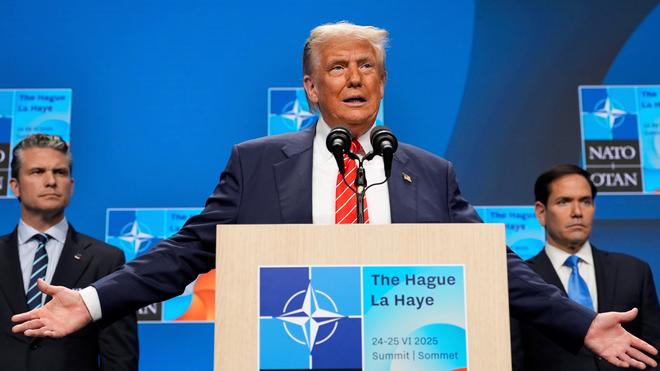
President Donald Trump claimed he is Iran’s “No. 1 target” after security measur...
.jpeg)
Three people were killed in U.S. strikes in western Iran as tensions escalated f...
President Donald Trump said the Iran ceasefire is “over” following fresh U.S. st...