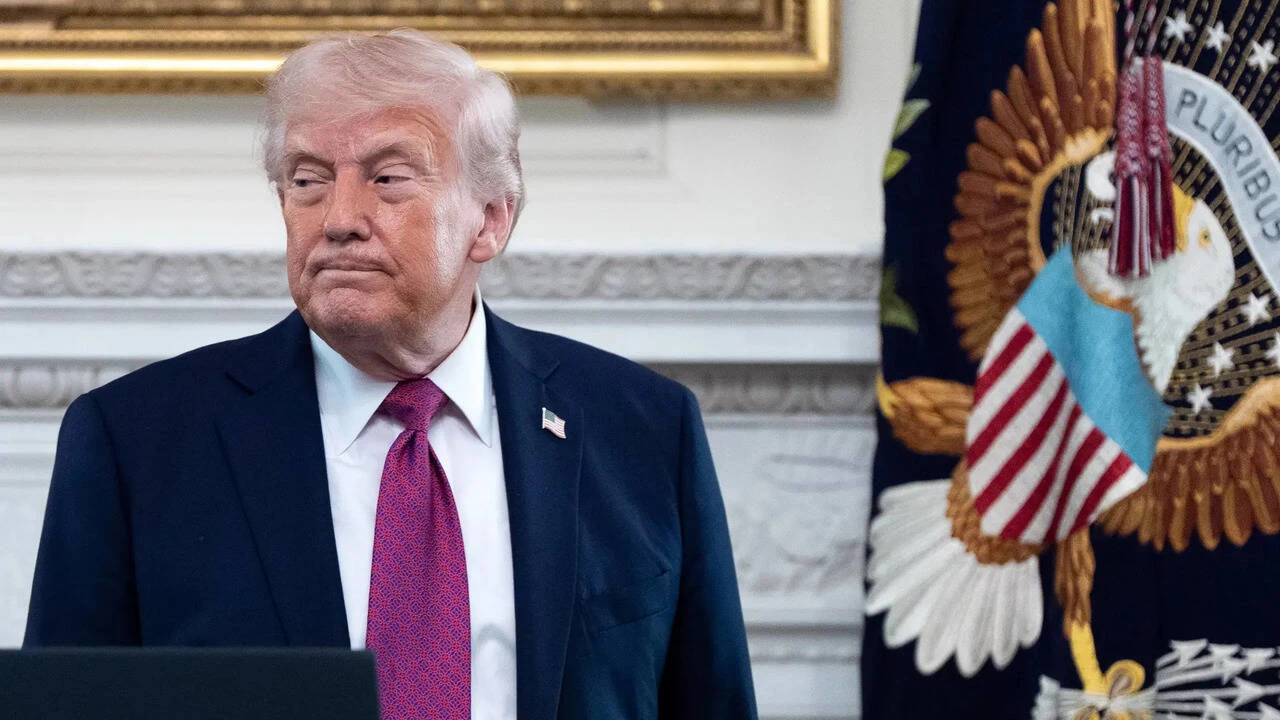
Swapna Kumbar , Bengaluru - President Donald Trump has extended the US-Iran ceasefire indefinitely following personal appeals from Pakistan's Prime Minister Shehbaz Sharif and Army Chief Asim Munir, creating a critical diplomatic window amid escalating tensions in the Strait of Hormuz. The announcement averts immediate military confrontation but maintains the US naval blockade of Iranian ports until Tehran submits a unified proposal for comprehensive peace talks addressing nuclear issues and regional security.
The extension follows days of brinkmanship, including IRGC attacks on commercial shipping and US seizures of Iranian vessels attempting to breach the Gulf of Oman blockade. Pakistan's mediation building on Vice President JD Vance's recent Islamabad mission positioned Sharif and Munir as pivotal brokers, with Trump praising their decisive leadership for facilitating back channel progress. Iranian Foreign Minister Abbas Araghchi called the blockade an act of war, while internal factionalism reportedly delayed Tehran's response, prompting the truce renewal. Oil markets rallied as supply disruption fears eased, though analysts warn the pause is fragile without Iranian concessions on nuclear curbs, proxy activities, and unrestricted Hormuz access.
Trump's indefinite ceasefire extension represents high stakes diplomacy balancing Pakistan's mediation with unrelenting US pressure via the naval stranglehold. Tehran now faces intense pressure to unify its position before the window closes, with success potentially stabilising global energy flows but failure risking rapid re escalation. The Strait of Hormuz remains the world's most dangerous flashpoint, where diplomatic breakthroughs or military confrontation will shape regional stability for years to come.
.jpeg)
Trump cited India’s voter-ID system while backing the SAVE America Act, highlighting differences in voting rules between the two countries.
.jpeg)
A Russian missile strike hit Lakshmi Mittal-linked ArcelorMittal’s steel plant in Ukraine, killing two and injuring several others as the war escalates.
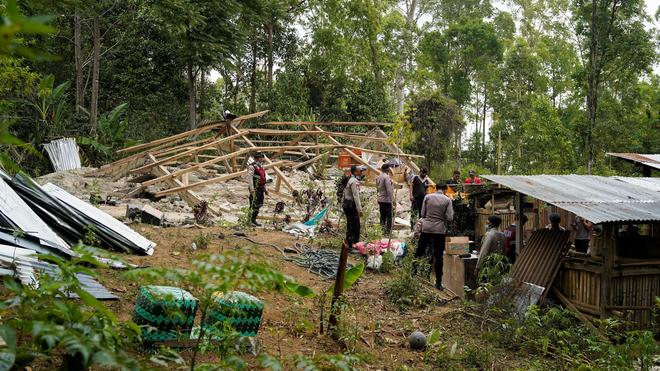
A powerful earthquake in Indonesia has killed 53 people and forced around 5,000 to evacuate, as aftershocks and landslides hamper rescue efforts.

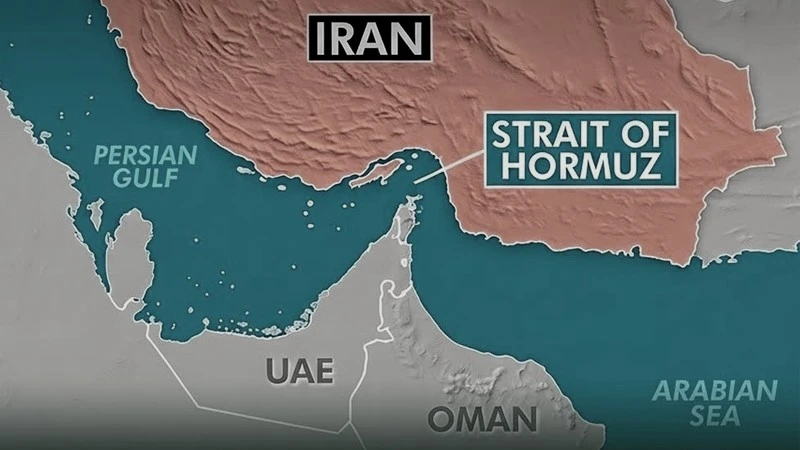
Iran, Oman and the U.S. are reportedly close to a Strait of Hormuz agreement tha...
.jpeg)
Fresh U.S. airstrikes in Iran reportedly killed 14 people, prompting Iranian ret...
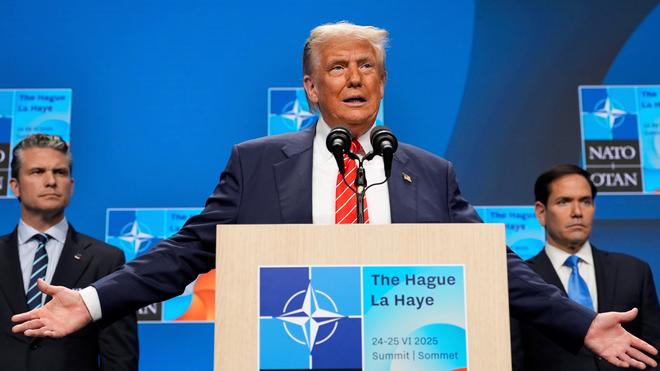
President Donald Trump claimed he is Iran’s “No. 1 target” after security measur...
.jpeg)
Three people were killed in U.S. strikes in western Iran as tensions escalated f...
President Donald Trump said the Iran ceasefire is “over” following fresh U.S. st...