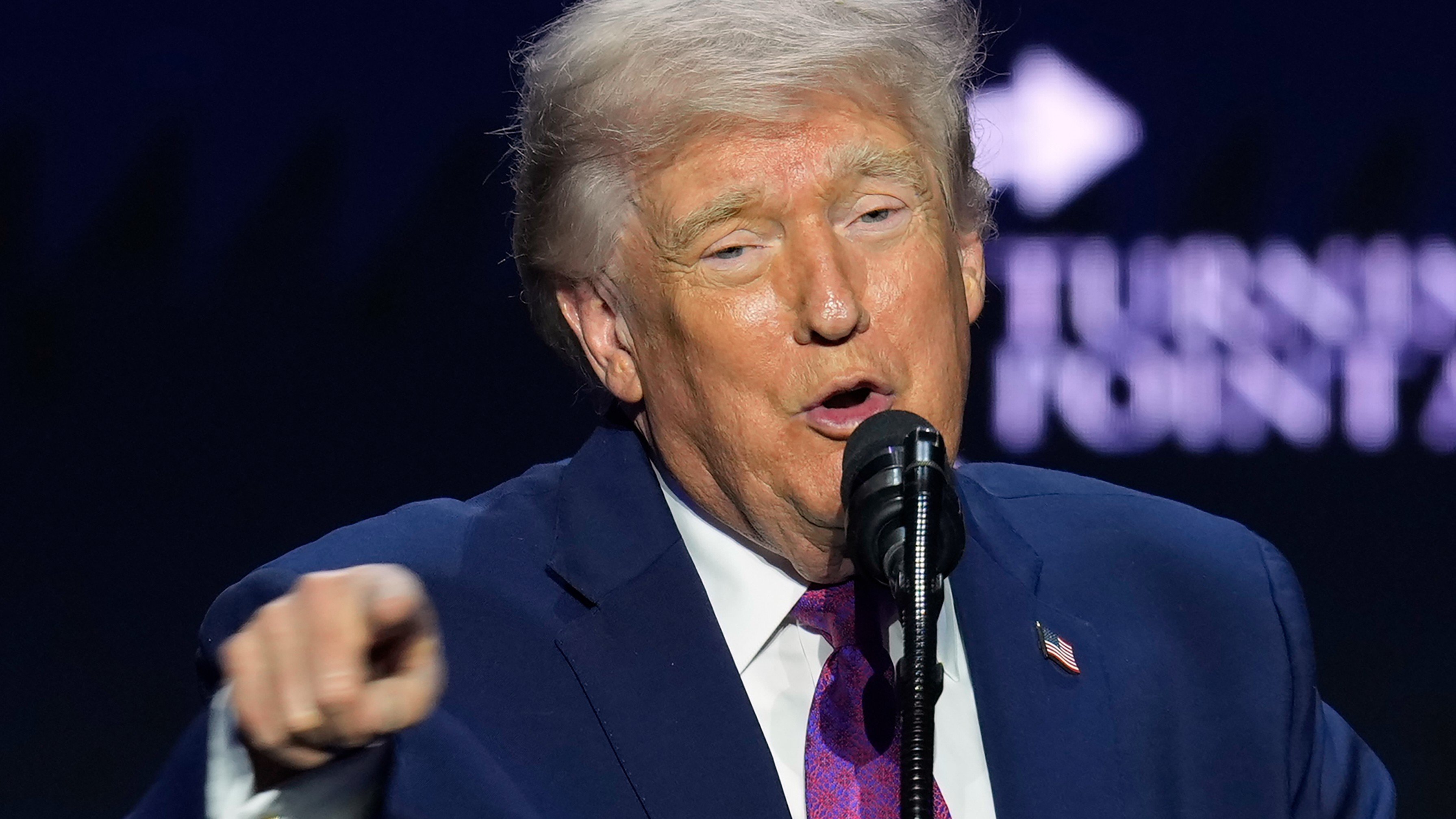
Swapna Kumbar , Bengaluru - President Donald Trump has extended the US-Iran ceasefire indefinitely following direct personal requests from Pakistani Prime Minister Shehbaz Sharif and Army Chief Asim Munir, marking a significant diplomatic breakthrough amid the Strait of Hormuz tensions. The decision grants negotiators more breathing room to pursue a comprehensive peace framework, responding to Pakistan's urgent mediation efforts to prevent regional escalation. However, Trump stressed that the US naval blockade of Iranian ports will remain firmly in place until Tehran presents a "unified proposal" for formal peace talks, maintaining leverage while opening the door to dialogue.
The extension comes after days of high stakes brinkmanship, with the previous 72-hour truce set to expire amid warnings of a "major attack" from Washington and Iran's threats of "new cards on the battlefield." Pakistan's intervention leveraging its ties to both the US and Iran appears to have swayed Trump, who praised Sharif and Munir for their "decisive leadership" in facilitating back channel communications. This follows Vice President JD Vance's recent mission to Islamabad, where groundwork was laid for indirect US-Iran contacts, positioning Pakistan as a pivotal neutral broker in the crisis.
Trump's condition of a "unified proposal" signals that the indefinite extension is not unconditional. The US continues enforcing the naval blockade, having seized Iranian-flagged vessels attempting to bypass it in the Gulf of Oman, and insists on addressing Iran's nuclear program, proxy activities, and full Strait access before any easing of sanctions or military posture. Markets reacted positively, with oil prices dipping further on reduced supply disruption fears, though analysts caution that without swift Iranian concessions, the truce could still fray under sustained pressure.
Trump's ceasefire gamble extending the truce at Pakistan's behest while keeping the blockade intact balances diplomacy with unyielding resolve, buying time for a potential deal without lowering the stakes. Success now rests on Tehran's ability to craft a credible "unified proposal" that meets US red lines, potentially stabilising the world's key oil artery and averting wider conflict. Failure, however, risks exposing the extension as merely a tactical delay, with the naval stranglehold ensuring that Iran's next moves will determine whether peace holds or the region slides back toward confrontation.
.jpeg)
Trump cited India’s voter-ID system while backing the SAVE America Act, highlighting differences in voting rules between the two countries.
.jpeg)
A Russian missile strike hit Lakshmi Mittal-linked ArcelorMittal’s steel plant in Ukraine, killing two and injuring several others as the war escalates.
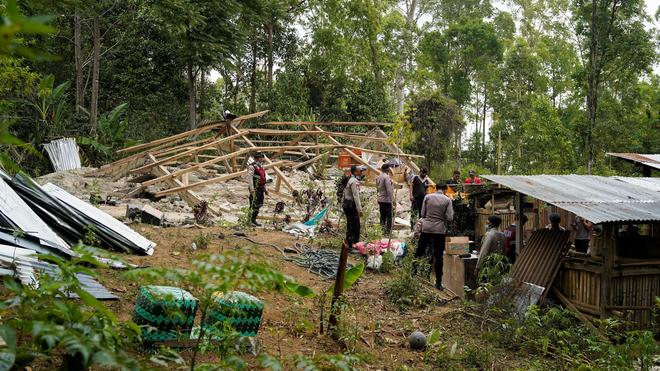
A powerful earthquake in Indonesia has killed 53 people and forced around 5,000 to evacuate, as aftershocks and landslides hamper rescue efforts.

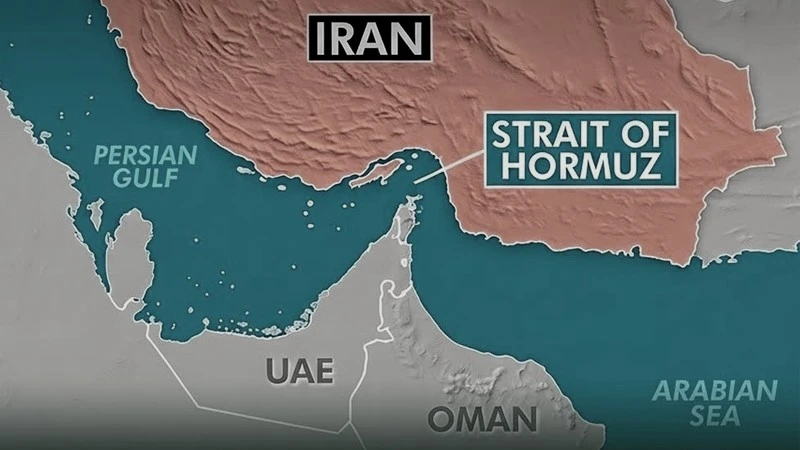
Iran, Oman and the U.S. are reportedly close to a Strait of Hormuz agreement tha...
.jpeg)
Fresh U.S. airstrikes in Iran reportedly killed 14 people, prompting Iranian ret...
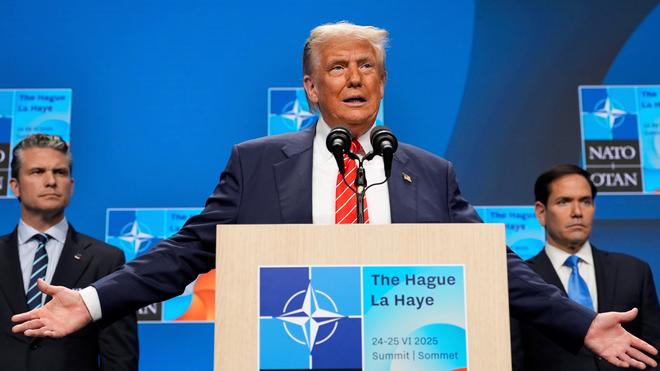
President Donald Trump claimed he is Iran’s “No. 1 target” after security measur...
.jpeg)
Three people were killed in U.S. strikes in western Iran as tensions escalated f...
President Donald Trump said the Iran ceasefire is “over” following fresh U.S. st...