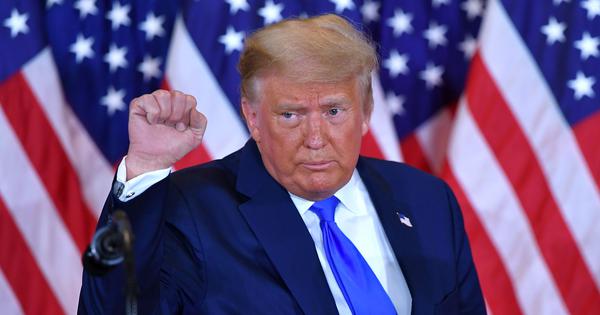
News Desk - President Donald Trump has secured what he calls a preliminary agreement to end the 107-day war between the United States and Iran, marking his exit from the costly Gulf conflict but questions remain about the deal's true cost and whether it represents an improvement over the landmark 2015 nuclear agreement reached by former President Barack Obama, which Trump famously scrapped in 2018 during his first term.
The deal commits Tehran to forgo the development or acquisition of nuclear weapons in exchange for helping reopen the strategically vital Strait of Hormuz and the paced release of assets frozen overseas. However, the conflict's financial toll has spiraled dramatically: the latest official Pentagon estimate placed the cost at roughly $29 billion, though sources suggest the full cost could reach $40-50 billion when including rebuilding damaged facilities and infrastructure. Senior economic advisor to Trump stated in March that the U.S. had allocated $12 billion towards military operations against Iran since initiating coordinated strikes with Israel on February 28, while the Penn Wharton Budget Model warned the total economic toll could reach as high as $210 billion, accounting for direct military expenditures up to $95 billion alongside massive disruptions to trade, energy markets, and financial conditions globally.
The 2015 Joint Comprehensive Plan of Action (JCPOA) effectively ended when Trump officially pulled the U.S. out in 2018, branding it "the worst deal ever" and seeking stronger terms under his "maximum pressure" strategy. The pivotal accord had lifted sanctions that severely impacted Iran's economy, halving its oil exports, but Trump reinstated harsh economic sanctions targeting Iran's oil exports, shipping, and banking sectors. It remains unclear if the current preliminary deal will be an improvement on Obama's 2015 agreement, with diplomats describing it as a memorandum of understanding rather than a comprehensive treaty, and Iran's Foreign Ministry having stated Tehran had "not yet" taken a final decision on the peace deal.
As Trump announces the U.S-Iran peace deal and global markets respond with oil plunging 4.77% to $80.83 per barrel, the question of cost remains paramount with the conflict potentially costing the U.S. $29-50 billion directly and up to $210 billion in total economic toll. The deal's success hinges on whether it truly represents permanent peace and whether Iran will honor commitments to relinquish its highly enriched uranium stockpile, leaving the world to judge if Trump's "exit ramp" from the Gulf war was worth the staggering price.
.jpeg)
Trump cited India’s voter-ID system while backing the SAVE America Act, highlighting differences in voting rules between the two countries.
.jpeg)
A Russian missile strike hit Lakshmi Mittal-linked ArcelorMittal’s steel plant in Ukraine, killing two and injuring several others as the war escalates.

A powerful earthquake in Indonesia has killed 53 people and forced around 5,000 to evacuate, as aftershocks and landslides hamper rescue efforts.

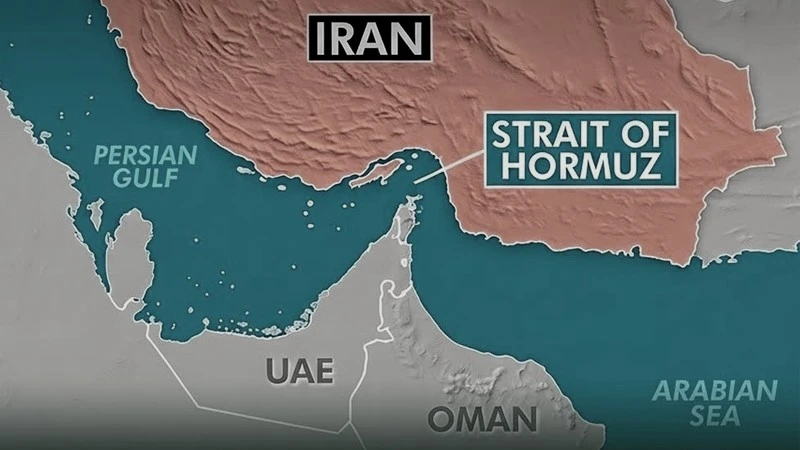
Iran, Oman and the U.S. are reportedly close to a Strait of Hormuz agreement tha...
.jpeg)
Fresh U.S. airstrikes in Iran reportedly killed 14 people, prompting Iranian ret...
President Donald Trump claimed he is Iran’s “No. 1 target” after security measur...
.jpeg)
Three people were killed in U.S. strikes in western Iran as tensions escalated f...
President Donald Trump said the Iran ceasefire is “over” following fresh U.S. st...