.jpeg)
Swapna Kumbar , Bengaluru - What began as a student's attempt to understand discrepancies in his examination system has evolved into one of the biggest education controversies of the year. Seventeen-year-old Sarthak Sidhant, a Class 12 student, has drawn national attention after publishing a detailed analysis alleging irregularities in the Central Board of Secondary Education's (CBSE) On Screen Marking (OSM) tender process. His findings, based largely on publicly available CBSE documents, have triggered scrutiny from lawmakers, education experts, and political leaders.
Sarthak's investigation claimed that key eligibility and evaluation criteria in CBSE's OSM tender were modified before the contract was awarded to a private vendor. He alleged that provisions related to poor performance records, blacklisting norms, financial qualifications, and project eligibility requirements were altered or removed, potentially benefiting a specific company. The allegations quickly gained traction online, prompting widespread discussion about transparency, accountability, and fairness in public procurement within India's education system.
The controversy soon reached the national stage when Sarthak was invited to present his findings before the Parliamentary Standing Committee on Education. During his presentation, he highlighted what he described as multiple discrepancies in the tendering process and raised concerns about the implementation of the OSM system itself. His appearance before Parliament transformed the issue from an online debate into a matter of public policy and governance, with lawmakers now examining the allegations more closely.
Sarthak Sidhant's story has become a striking example of how citizen led scrutiny can influence public discourse. Regardless of the eventual findings of official investigations, the teenager's efforts have sparked a broader conversation about transparency in educational institutions and demonstrated how data-driven research can bring national attention to issues that might otherwise remain unnoticed.
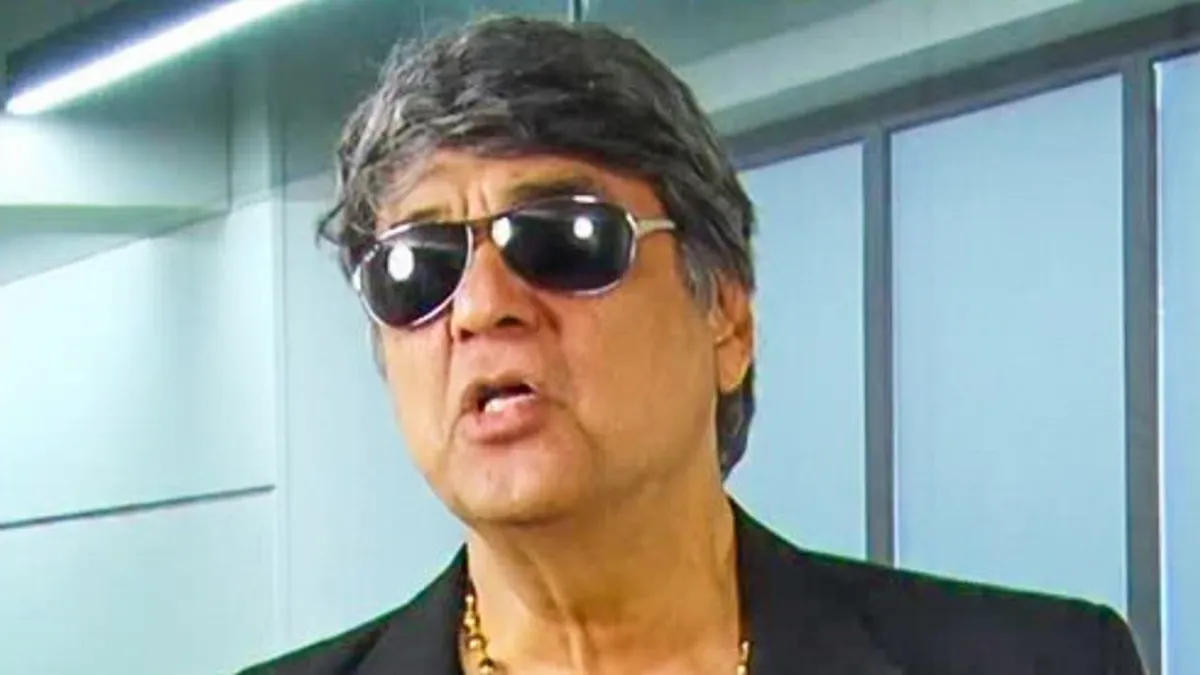
Mukesh Khanna’s call to replace “Jana Gana Mana” with “Vande Mataram” has sparked debate over India’s national symbols and the history behind them.
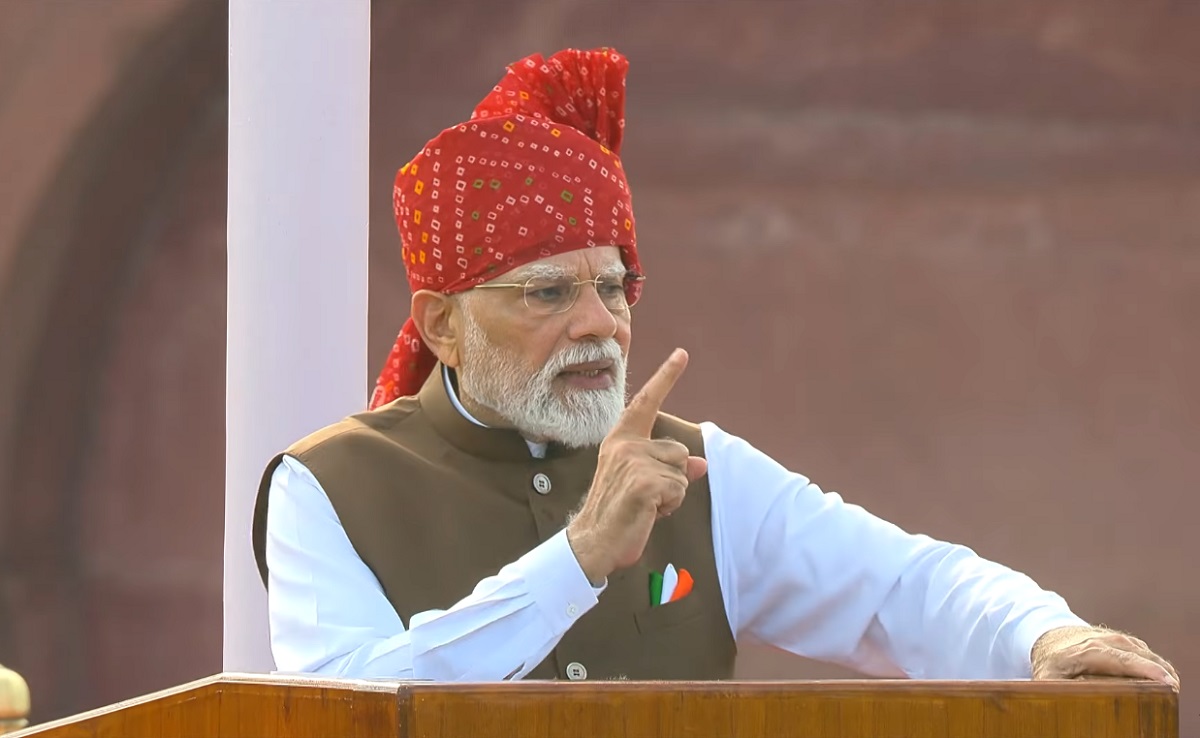
PM Modi warned against what he called “dimaagi Naxals,” urging their identification and isolation, while the Congress criticised the remarks as politically motivated.
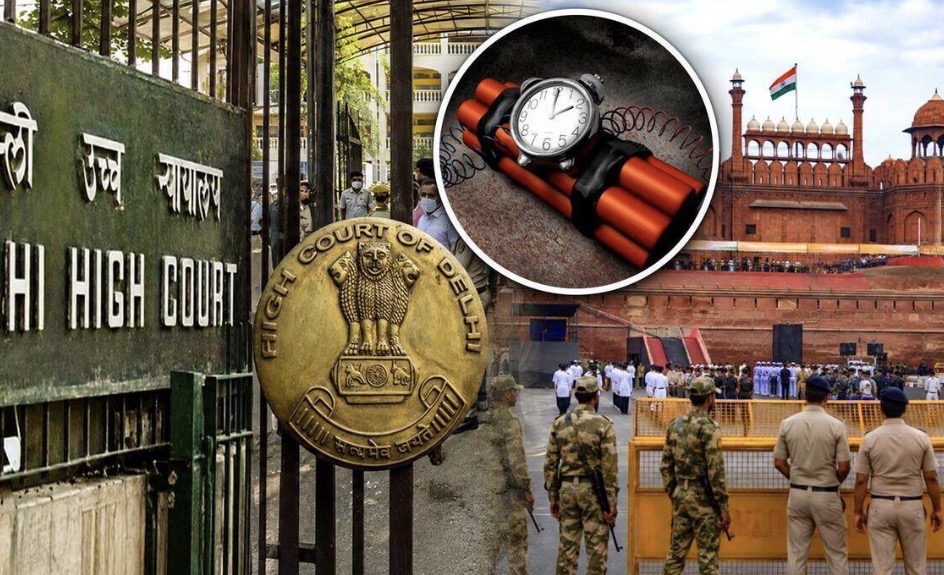
Bomb Threats Reported at Six Locations in Delhi, Security Agencies on High Alert

Supreme Court Grants Major Relief to Samay Raina, All FIRs in ‘India’s Got Latent’ Case Closed
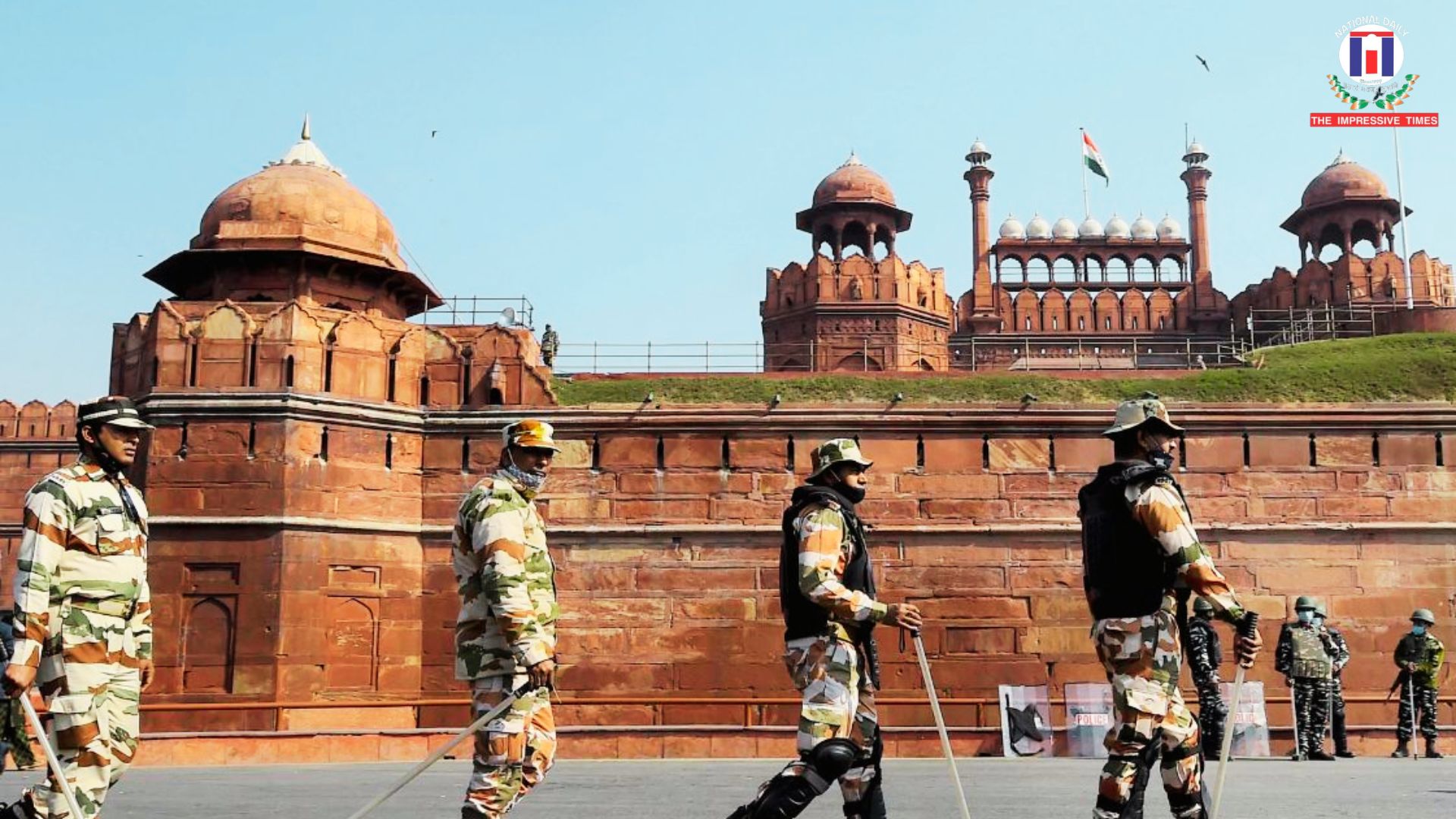
Security Tightened at Red Fort Ahead of Independence Day Celebrations
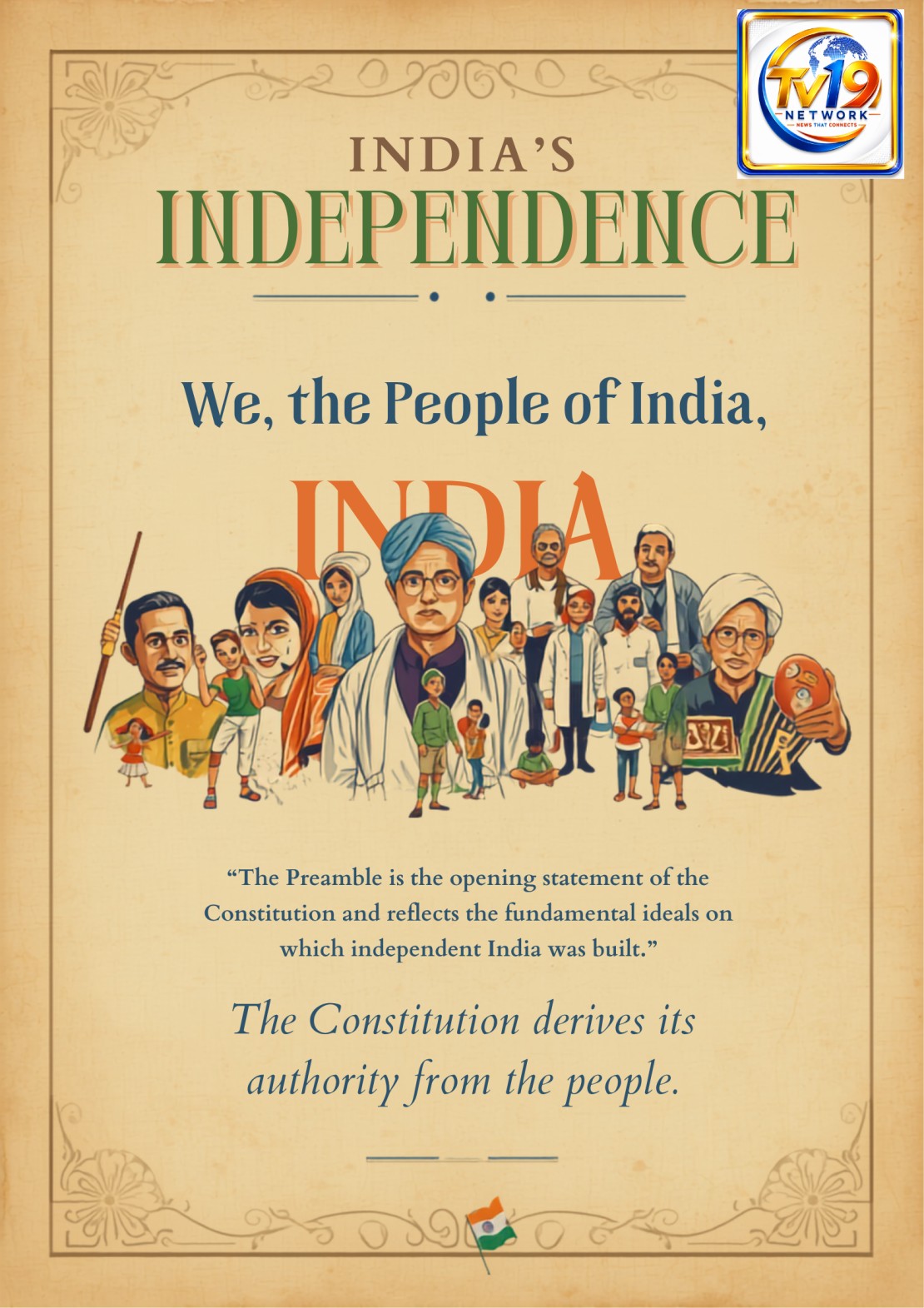
From winning freedom in 1947 to protecting the values of our Constitution today, the responsibility of building India belongs to all of us.
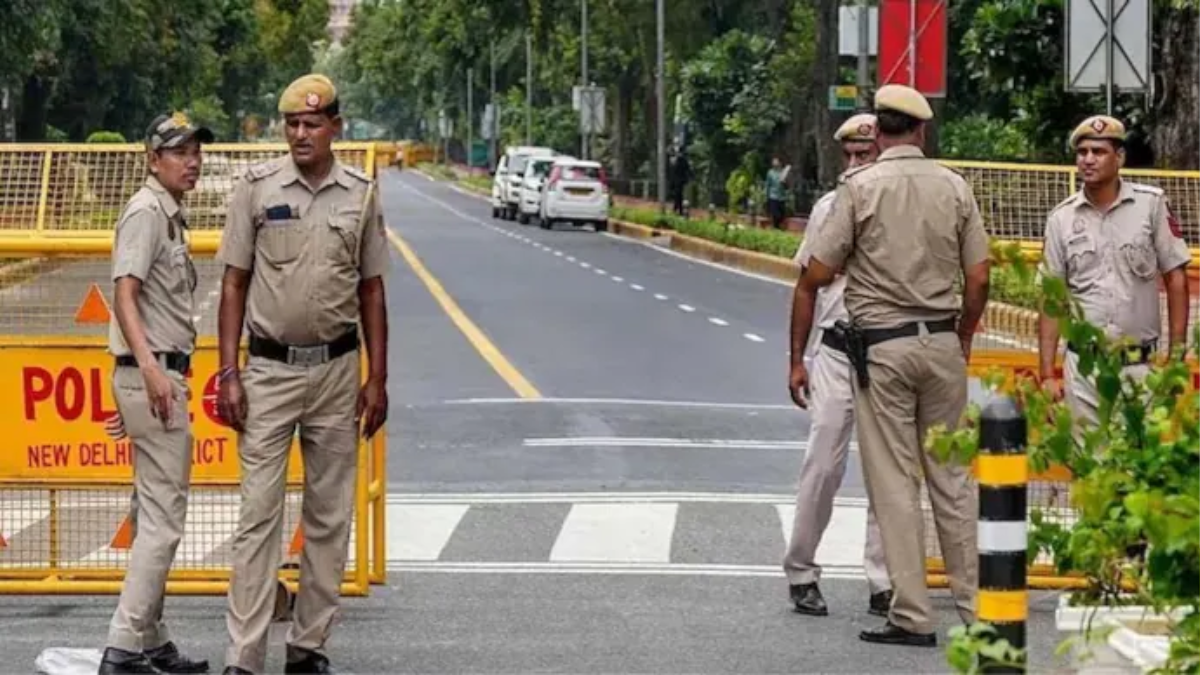
Delhi High Court Receives Bomb Threat, Security Tightened
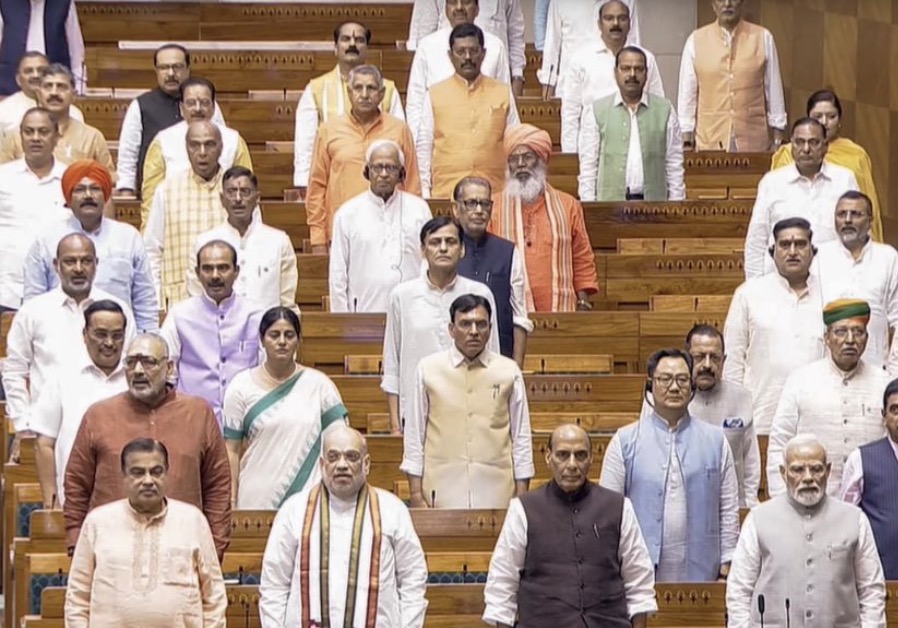
Vande Mataram’ Sung in Parliament for the First Time, Marks a Historic Moment
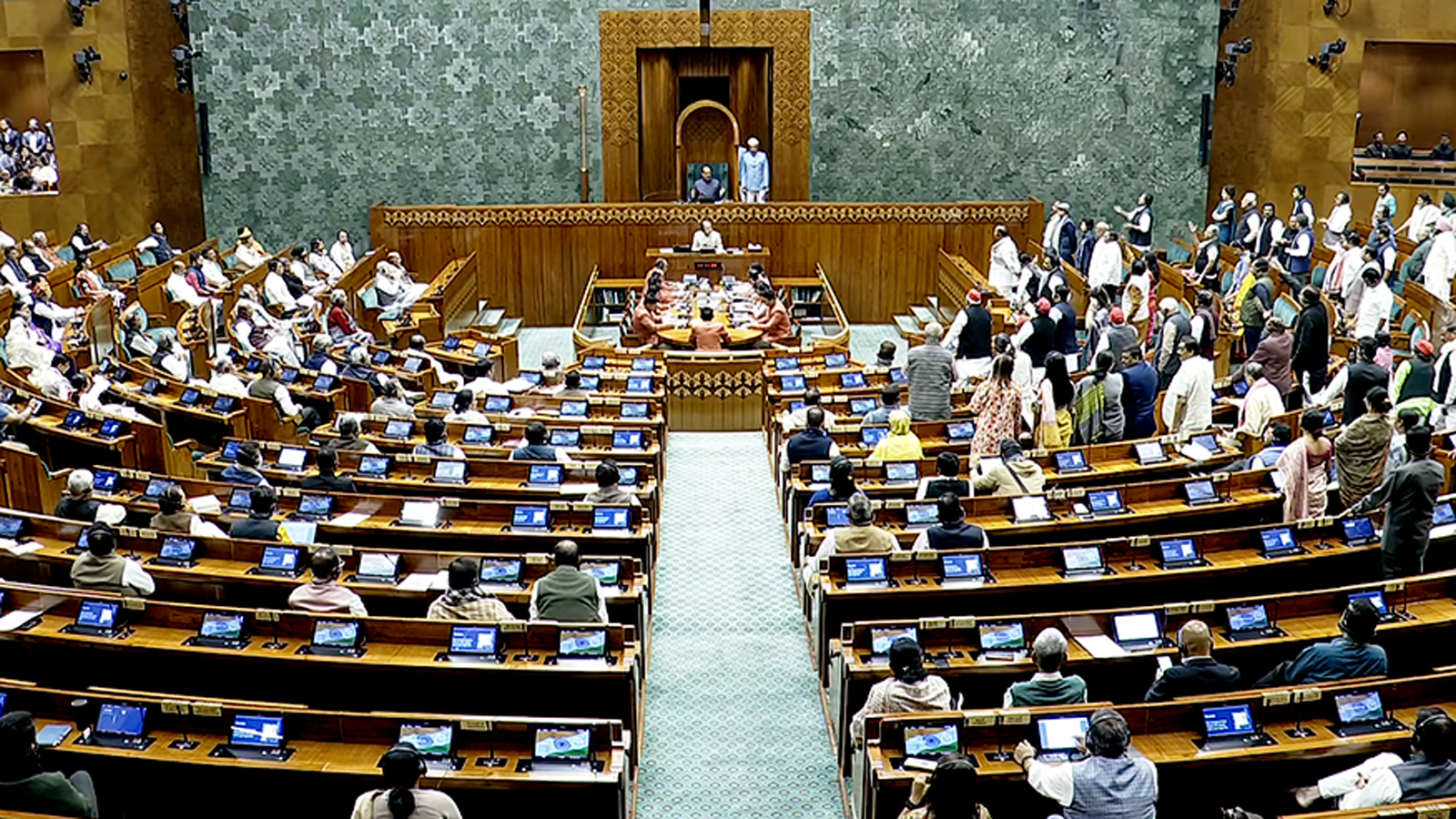
Lok Sabha Adjourned Indefinitely, Monsoon Session Concludes

The Indian tricolour is more than three colours it represents courage, truth, peace, growth and the nation’s journey forward through the Ashoka Chakra.
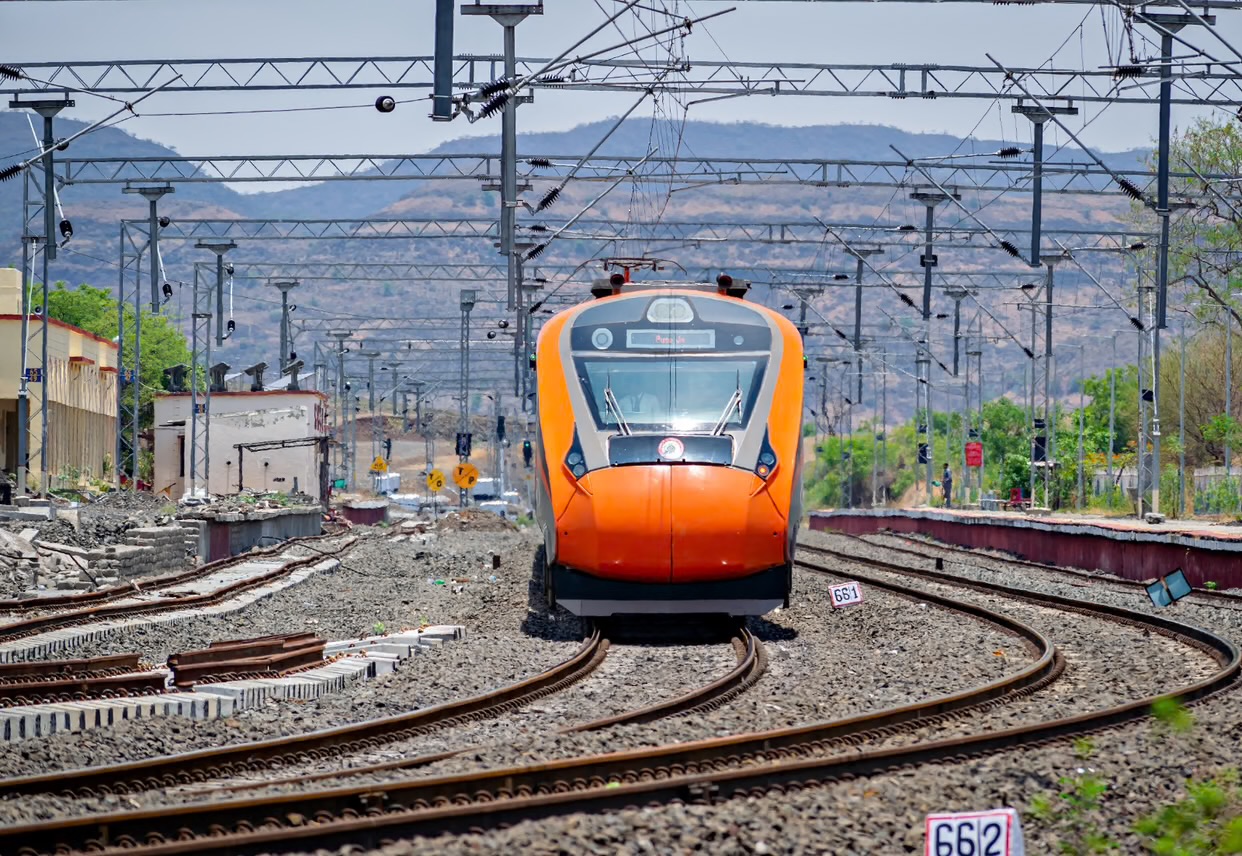
Two Amrit Bharat Trains to Connect Gorakhpur with Delhi and Mumbai

Dangal Girl Babita Phogat Becomes a Mother, Welcomes Baby Girl on Shivratri

Air India Turbulence: Multiple Lapses Found in Post-Flight Report, 13 Faults Logged in 80 Minutes
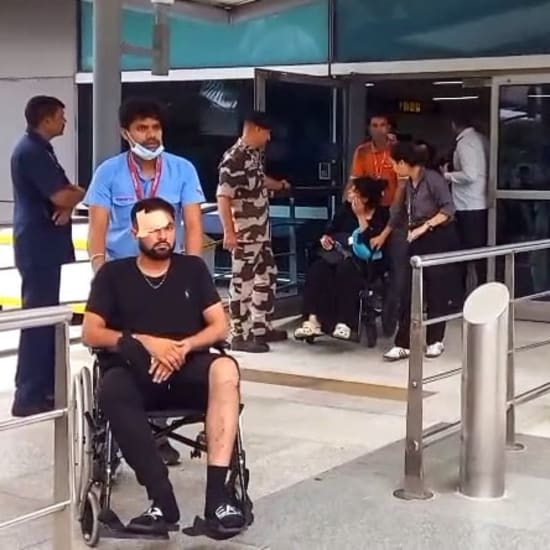
Random Drug Tests for Pilots in Focus After AI2379 Cannabis Case
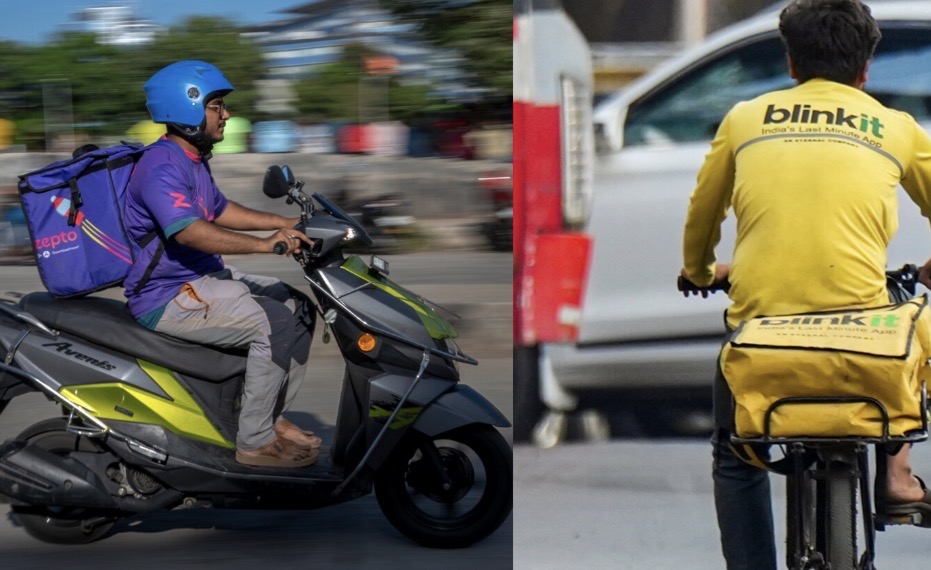
Zepto and Blinkit Under Scanner Over Alleged Food Safety Violations

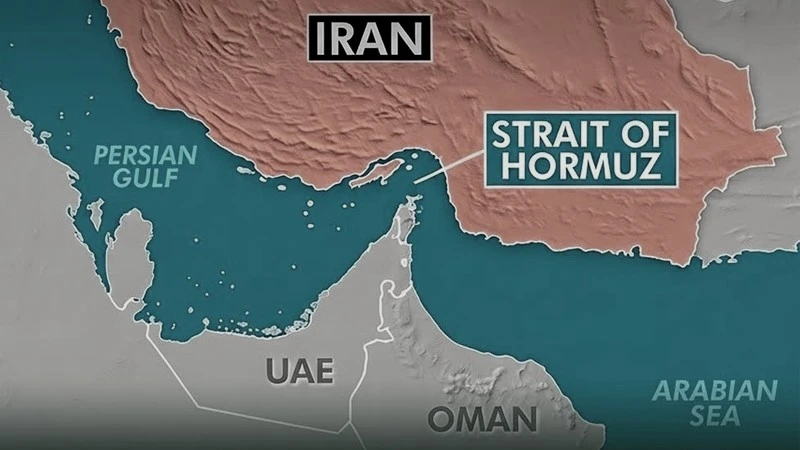
Iran, Oman and the U.S. are reportedly close to a Strait of Hormuz agreement tha...
.jpeg)
Fresh U.S. airstrikes in Iran reportedly killed 14 people, prompting Iranian ret...
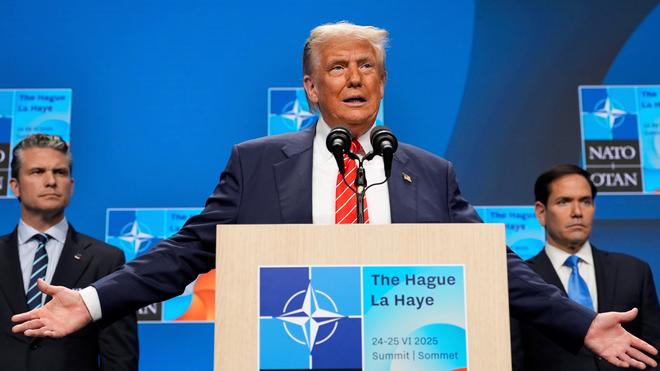
President Donald Trump claimed he is Iran’s “No. 1 target” after security measur...
.jpeg)
Three people were killed in U.S. strikes in western Iran as tensions escalated f...
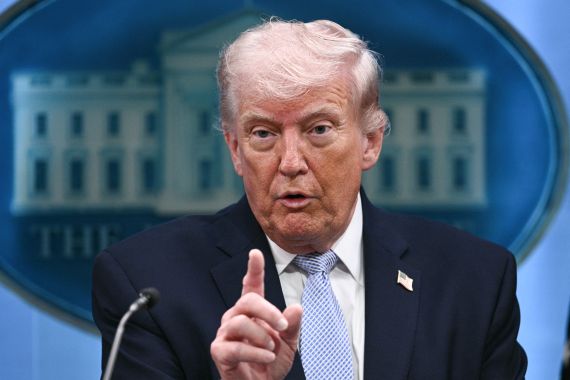
President Donald Trump said the Iran ceasefire is “over” following fresh U.S. st...