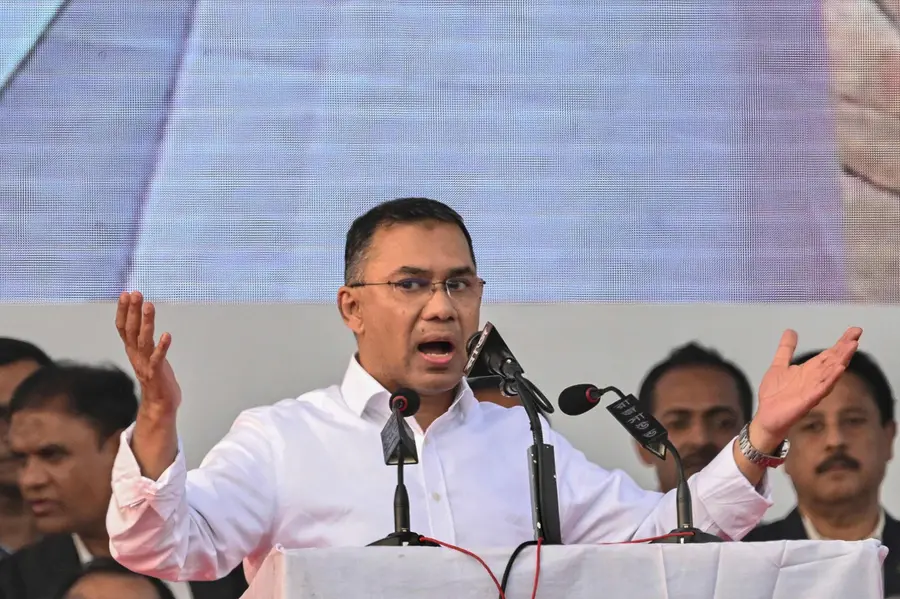
Desk Correspondent , Dhaka - In a powerful move to calm the country, BNP leader Tarique Rahman has shared a message of peace and unity during the ongoing unrest. Speaking to his followers after his long return from exile, he emphasized that Bangladesh belongs to everyone regardless of their faith. He stated that the nation should be a home for Muslims, Hindus, Christians, and Buddhists alike. This secular approach is seen as an attempt to protect minority groups who have felt unsafe during the recent political changes. His words have brought a sense of relief to many citizens hoping for a more inclusive future.
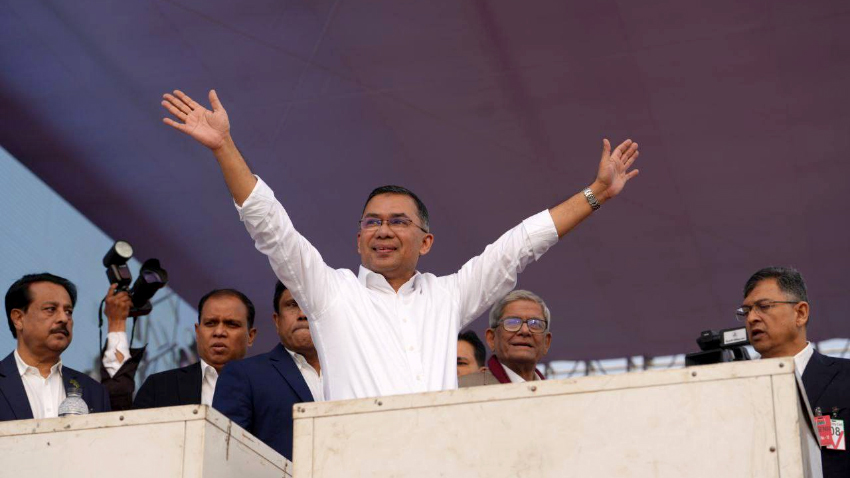
The leader made it clear that any form of violence or discrimination based on religion would not be tolerated by his party. He urged his supporters to stand guard and protect the homes and places of worship of all communities across the country. During his address, Tarique Rahman firmly said, "Bangladesh belongs to Muslims, Hindus, Christians, and all people who call this land their home." He believe that the strength of the nation lies in its diversity and the ability of its people to live together. He further added, "We must ensure that every citizen feels safe and respected in our new journey."
Many people are watching these developments closely as the country prepares for future elections and a new beginning. Human rights activists have welcomed this inclusive speech, saying it is the right step toward stopping the cycle of communal tension. While the road to peace is still long, such statements from top leaders help in building trust among different social groups. The international community is also hoping that these promises of equality will lead to a stable and fair democratic system. For now, the people of Bangladesh are looking forward to a time when everyone can live together without fear.
.jpeg)
Trump cited India’s voter-ID system while backing the SAVE America Act, highlighting differences in voting rules between the two countries.
.jpeg)
A Russian missile strike hit Lakshmi Mittal-linked ArcelorMittal’s steel plant in Ukraine, killing two and injuring several others as the war escalates.
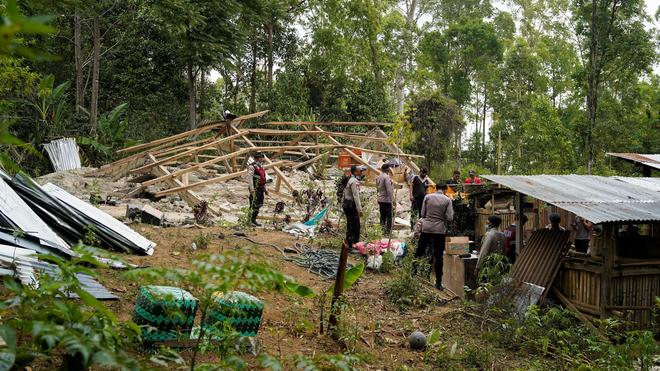
A powerful earthquake in Indonesia has killed 53 people and forced around 5,000 to evacuate, as aftershocks and landslides hamper rescue efforts.

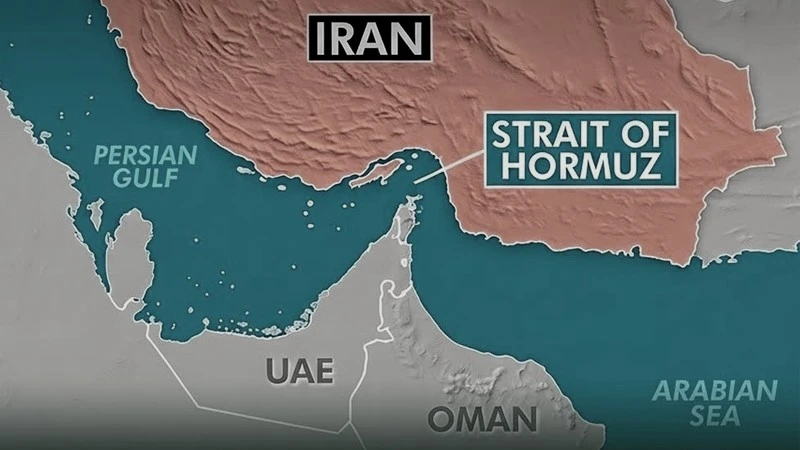
Iran, Oman and the U.S. are reportedly close to a Strait of Hormuz agreement tha...
.jpeg)
Fresh U.S. airstrikes in Iran reportedly killed 14 people, prompting Iranian ret...

President Donald Trump claimed he is Iran’s “No. 1 target” after security measur...
.jpeg)
Three people were killed in U.S. strikes in western Iran as tensions escalated f...

President Donald Trump said the Iran ceasefire is “over” following fresh U.S. st...