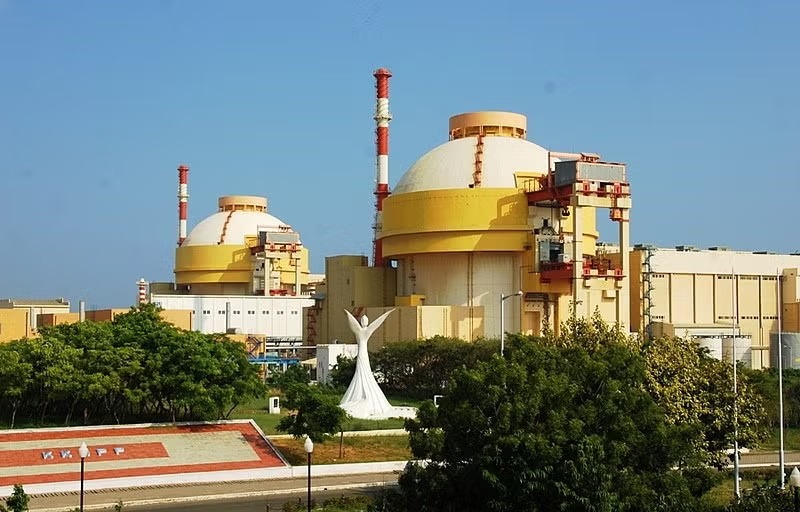
Desk Correspondent , New Delhi — The Supreme Court of India on Tuesday described a legal challenge to the Sustainable Harnessing and Advancement of Nuclear Energy for Transforming India (SHANTI) Act, 2025, as a "very sensitive legislative policy issue." A bench led by Chief Justice Surya Kant was hearing a public interest litigation challenging the new law, which permits private entities to operate civil nuclear plants but caps the total liability for an accident at ₹3,000 crore. The court wondered aloud whether global operators would enter the Indian market without such caps, noting that the State would step in to compensate victims and that judicial powers to award damages remain untinkered.
The petitioners, represented by advocate Prashant Bhushan, argue that the SHANTI Act is unconstitutional, compromises citizen safety, and exempts foreign suppliers from accountability by removing the "right of recourse" present in the repealed 2010 framework. Bhushan contended that the liability cap is absurdly low compared to the U.S. cap of ₹1.54 lakh crore, warning that the law encourages foreign suppliers to cut corners on safety. He drew parallels to the catastrophic, multi-lakh-crore damages seen in the Chernobyl and Fukushima disasters, asserting the Act violates the absolute-liability principle laid down by the apex court in 1987.
The bench has posted the matter for a detailed hearing in July to clarify these apprehensions. Acknowledging the gravity of the safety concerns balanced against national economic interests, the bench noted: "Our concern is that if an unfortunate event or any accident takes place and any person suffers an injury or damage, do we have a robust compensatory mechanism for that purpose."

SBI to Charge ₹15 for Cash Withdrawals Beyond Four Transactions from October 1
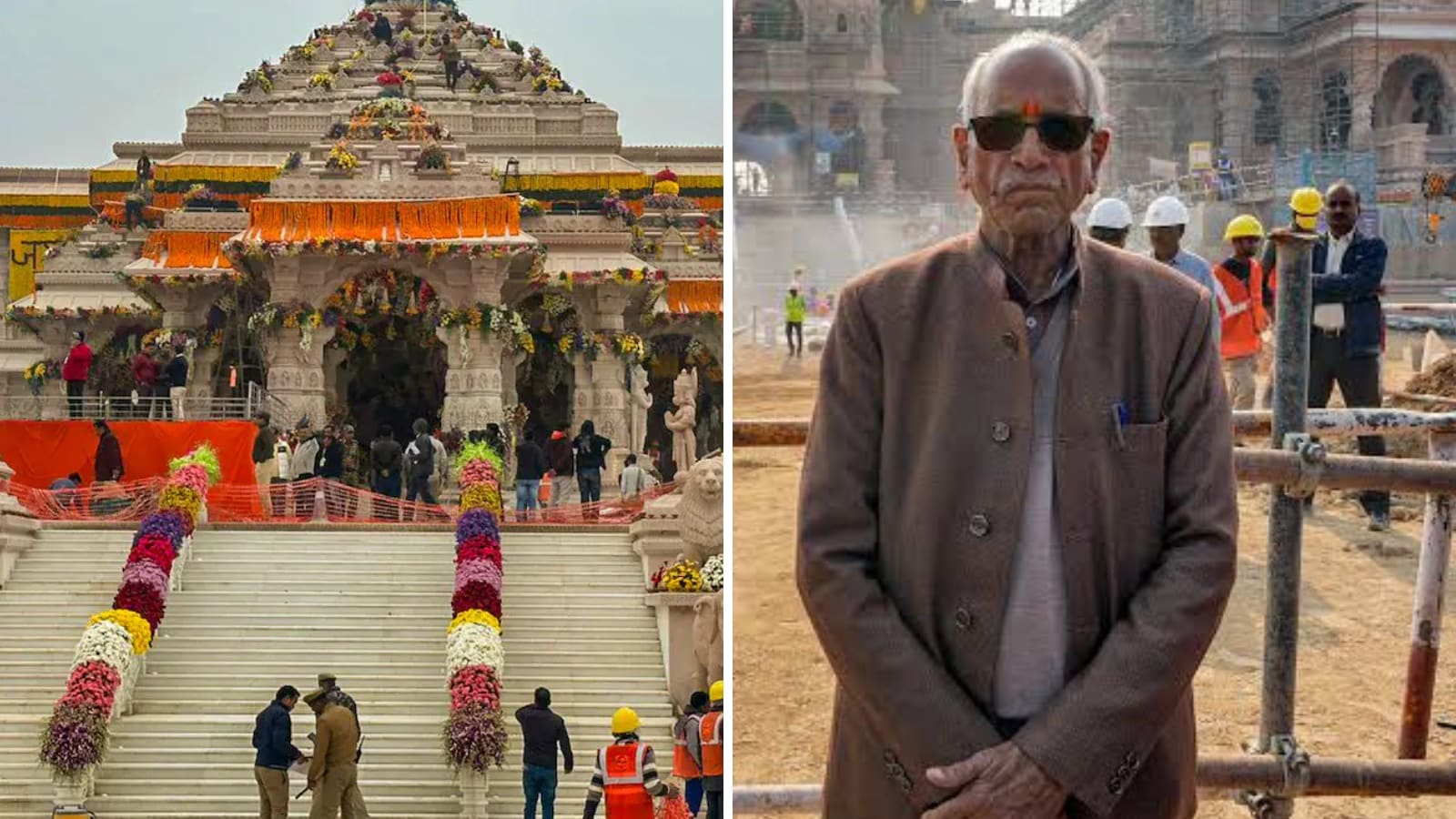
Champat Rai Questions Nripendra Misra, Releases 9-Page Statement

Meta Removes Illegal CSAM Accounts Following Government Action
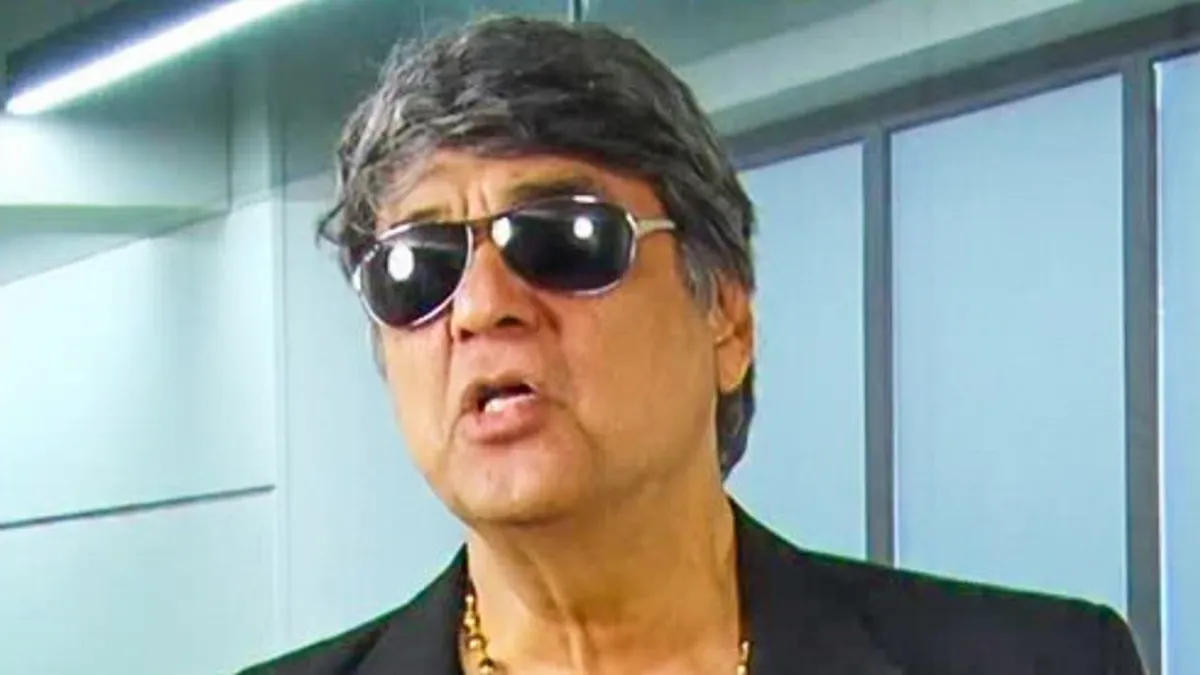
Mukesh Khanna’s call to replace “Jana Gana Mana” with “Vande Mataram” has sparked debate over India’s national symbols and the history behind them.
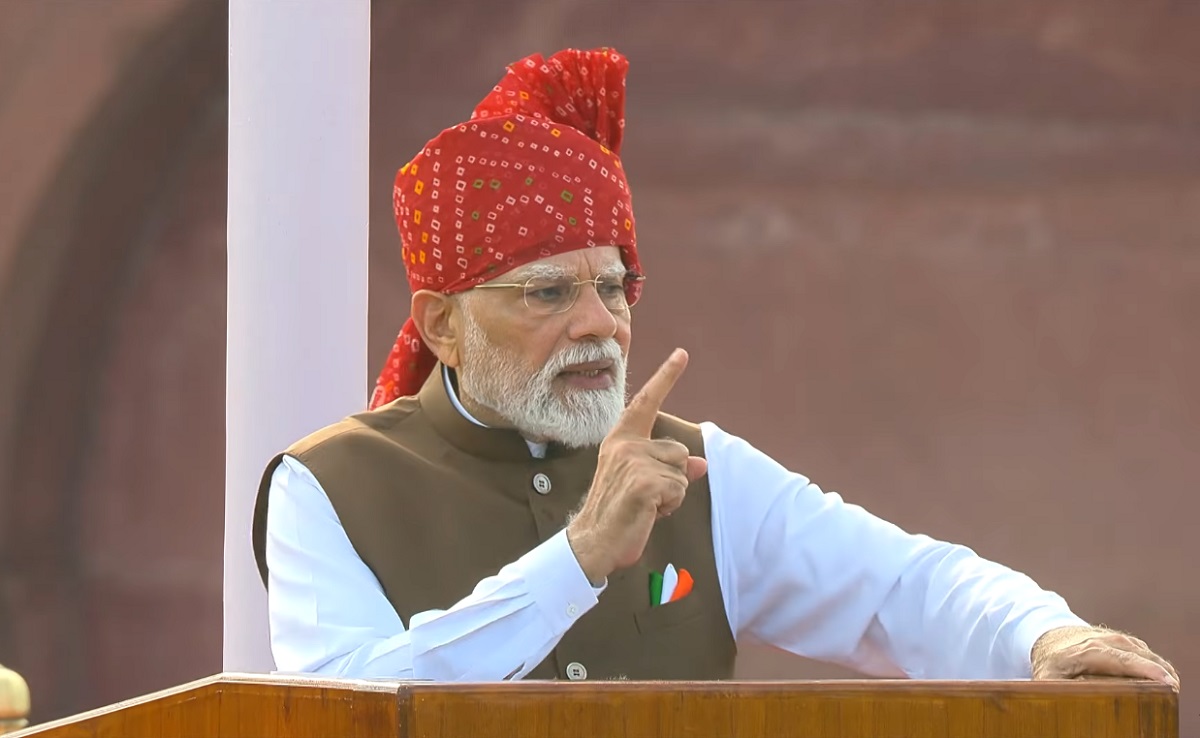
PM Modi warned against what he called “dimaagi Naxals,” urging their identification and isolation, while the Congress criticised the remarks as politically motivated.

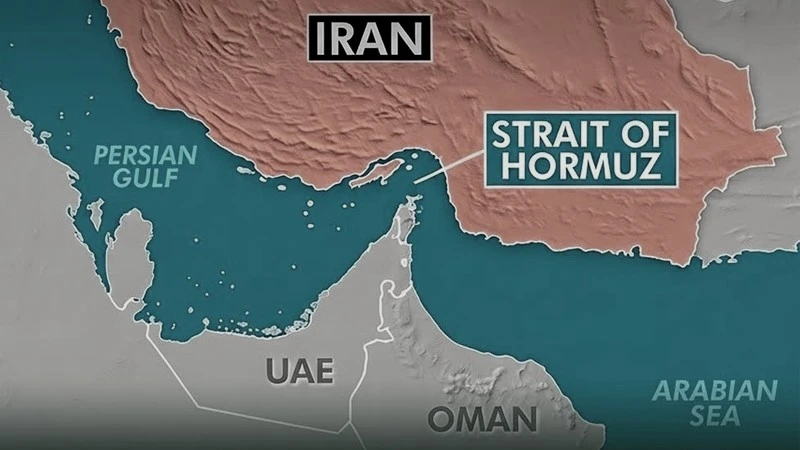
Iran, Oman and the U.S. are reportedly close to a Strait of Hormuz agreement tha...
.jpeg)
Fresh U.S. airstrikes in Iran reportedly killed 14 people, prompting Iranian ret...
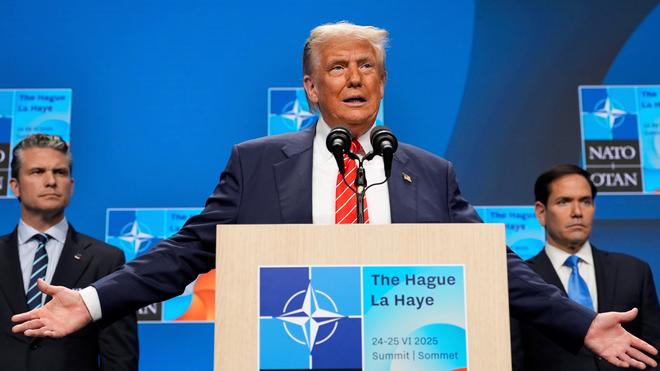
President Donald Trump claimed he is Iran’s “No. 1 target” after security measur...
.jpeg)
Three people were killed in U.S. strikes in western Iran as tensions escalated f...
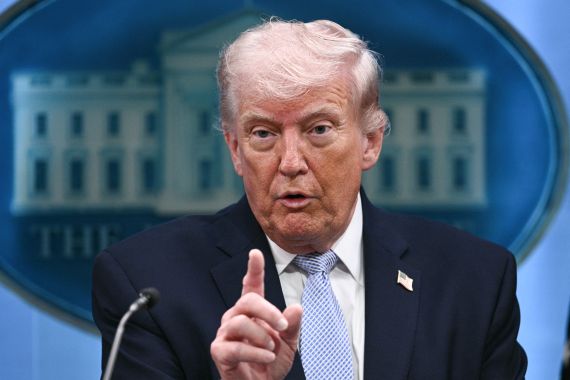
President Donald Trump said the Iran ceasefire is “over” following fresh U.S. st...