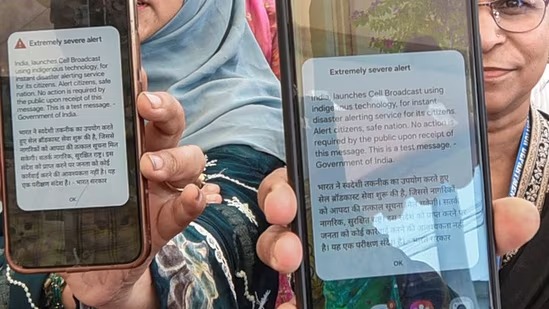
Desk Correspondent , New Delhi – Millions of mobile users across India were startled on Saturday morning by a loud, persistent buzzing sound accompanied by an "Extremely Severe Alert" notification. The message, which appeared around 11:40 AM, was part of a nationwide test of the government’s indigenous Cell Broadcast emergency alert system. While the notification explicitly stated it was a test message and required no public action, the sudden, high-decibel alarm triggered widespread confusion and concern. Shiv Sena (UBT) MP Priyanka Chaturvedi was among those who expressed sharp criticism, describing the experience as "scary as hell" and suggesting that a prior announcement regarding the exact timing of the test would have prevented unnecessary panic among the populace.
The initiative, led by the Department of Telecommunications (DoT) in collaboration with the National Disaster Management Authority (NDMA), aims to bolster India’s disaster preparedness. Union Minister Jyotiraditya Scindia clarified that the new system is designed to reach all 140 crore citizens instantly, utilizing telecom infrastructure from 2G to 5G. Unlike traditional SMS, which can face delivery delays in congested networks, the Cell Broadcast technology allows for near-real-time communication within specific geographic areas. This ensures that during actual emergencies—such as floods, cyclones, or earthquakes—the government can transmit life-saving information to every village and town without the need for a central database of phone numbers.
Despite the technological advancement, the execution faced backlash from several political leaders and citizens on social media. Many users reported receiving the intrusive alert multiple times, which amplified the sense of alarm. Critics, including Delhi Minister Saurabh Bharadwaj, noted that while the system is essential for national safety, the methodology used for the trial felt "alarming" to those caught off guard. In response, government officials reiterated that such tests are mandatory under international standards to ensure the system’s reliability. They urged the public to remain calm, emphasizing that these drills are a vital step toward creating a "safe nation" through indigenous technology capable of functioning even in remote Himalayan and coastal regions.
SBI to Charge ₹15 for Cash Withdrawals Beyond Four Transactions from October 1
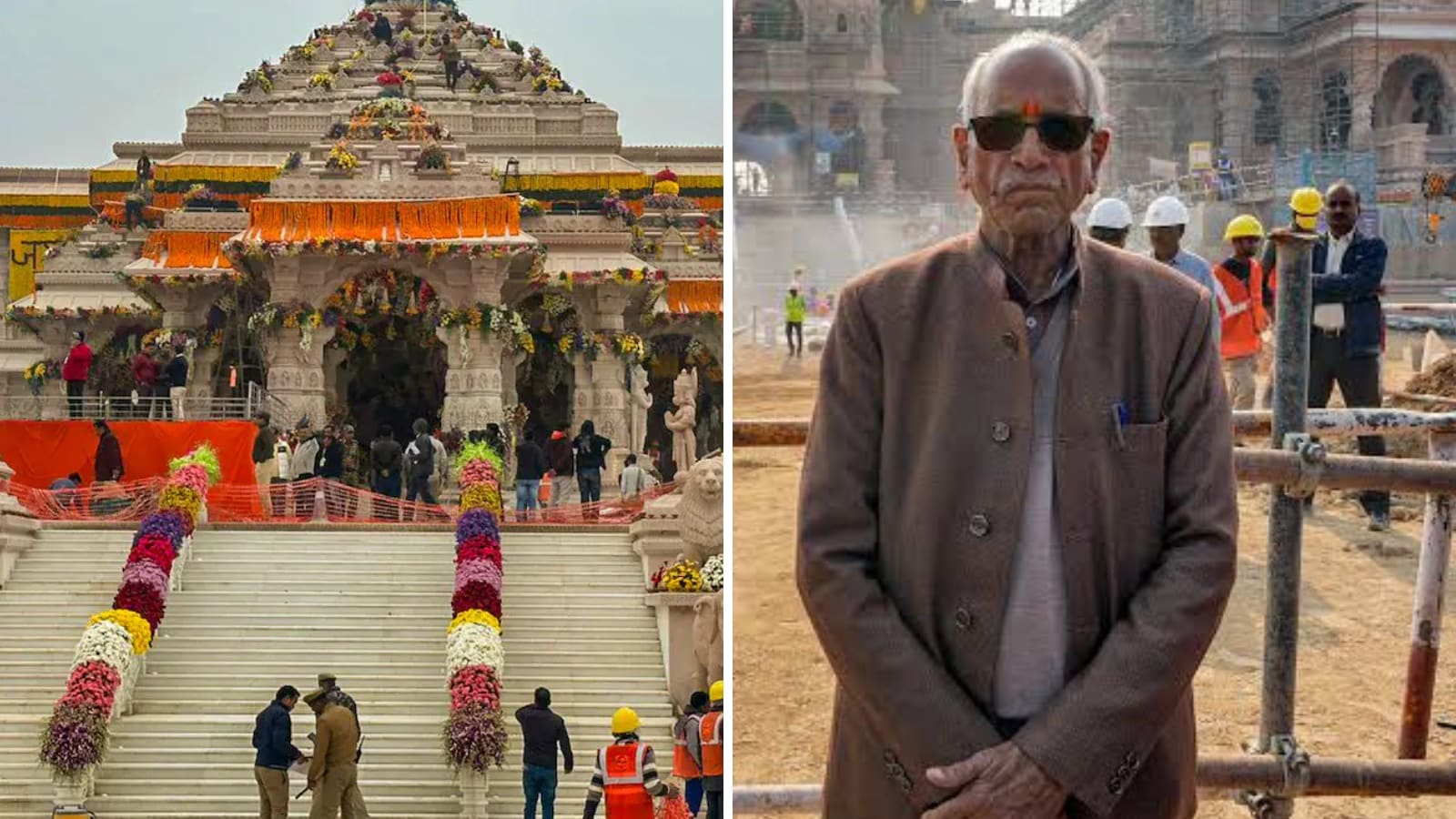
Champat Rai Questions Nripendra Misra, Releases 9-Page Statement
Meta Removes Illegal CSAM Accounts Following Government Action
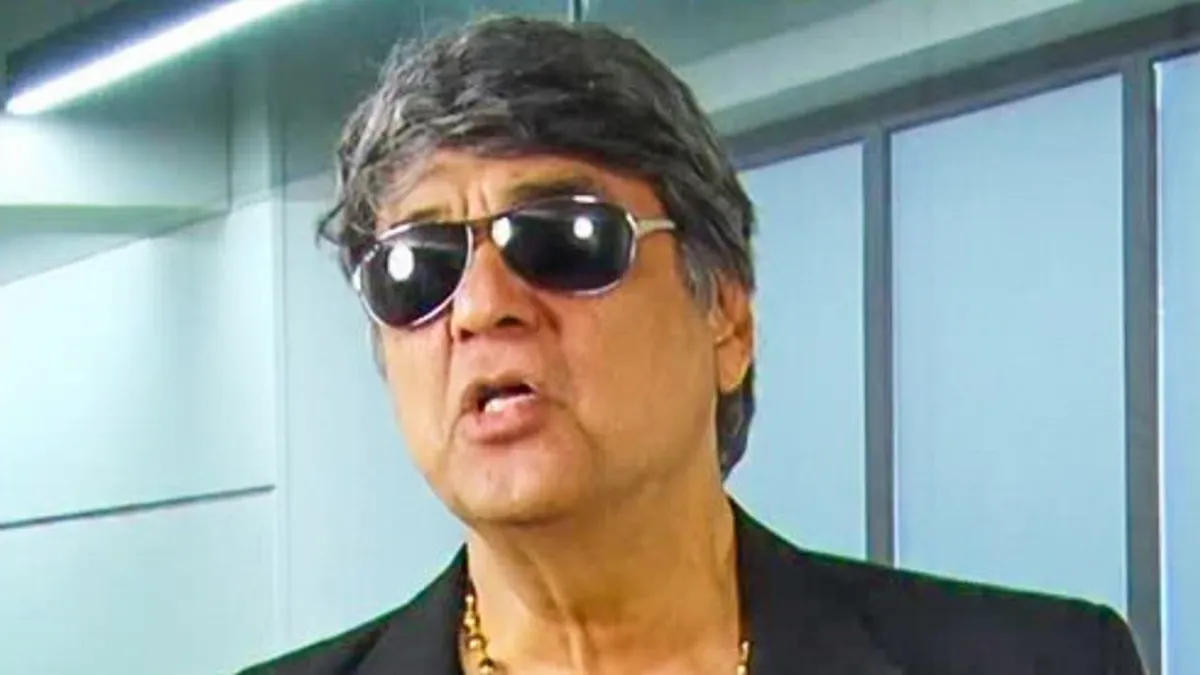
Mukesh Khanna’s call to replace “Jana Gana Mana” with “Vande Mataram” has sparked debate over India’s national symbols and the history behind them.

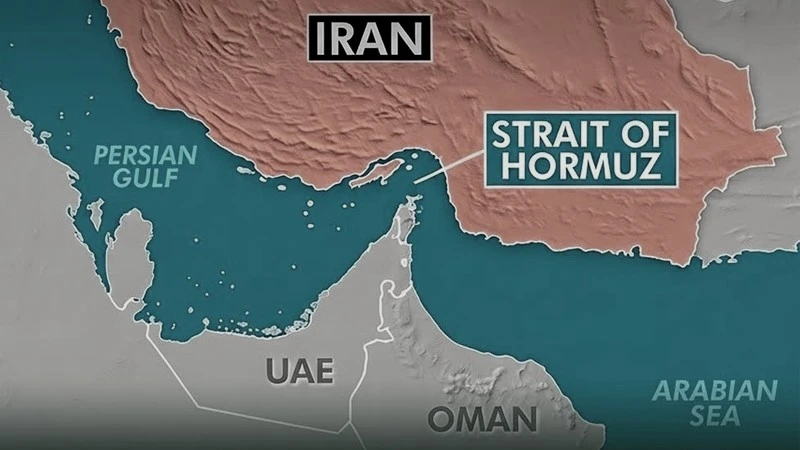
Iran, Oman and the U.S. are reportedly close to a Strait of Hormuz agreement tha...
.jpeg)
Fresh U.S. airstrikes in Iran reportedly killed 14 people, prompting Iranian ret...
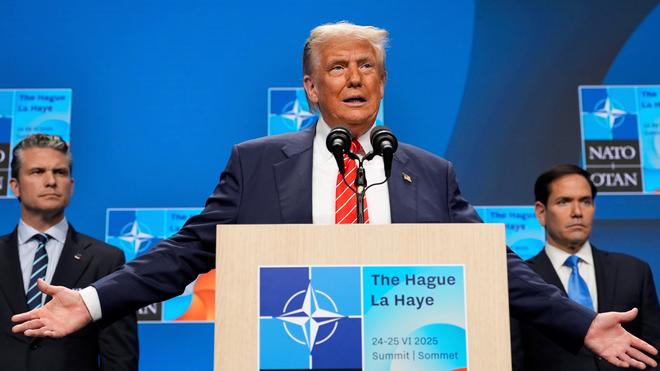
President Donald Trump claimed he is Iran’s “No. 1 target” after security measur...
.jpeg)
Three people were killed in U.S. strikes in western Iran as tensions escalated f...
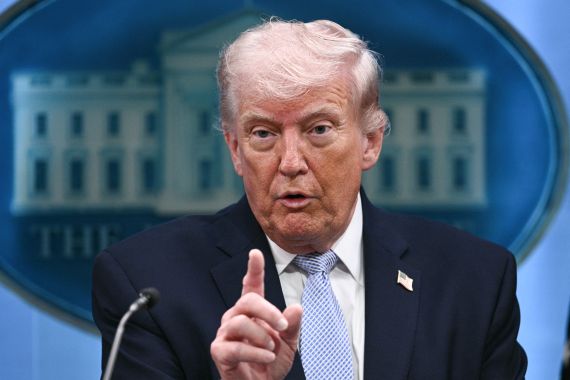
President Donald Trump said the Iran ceasefire is “over” following fresh U.S. st...