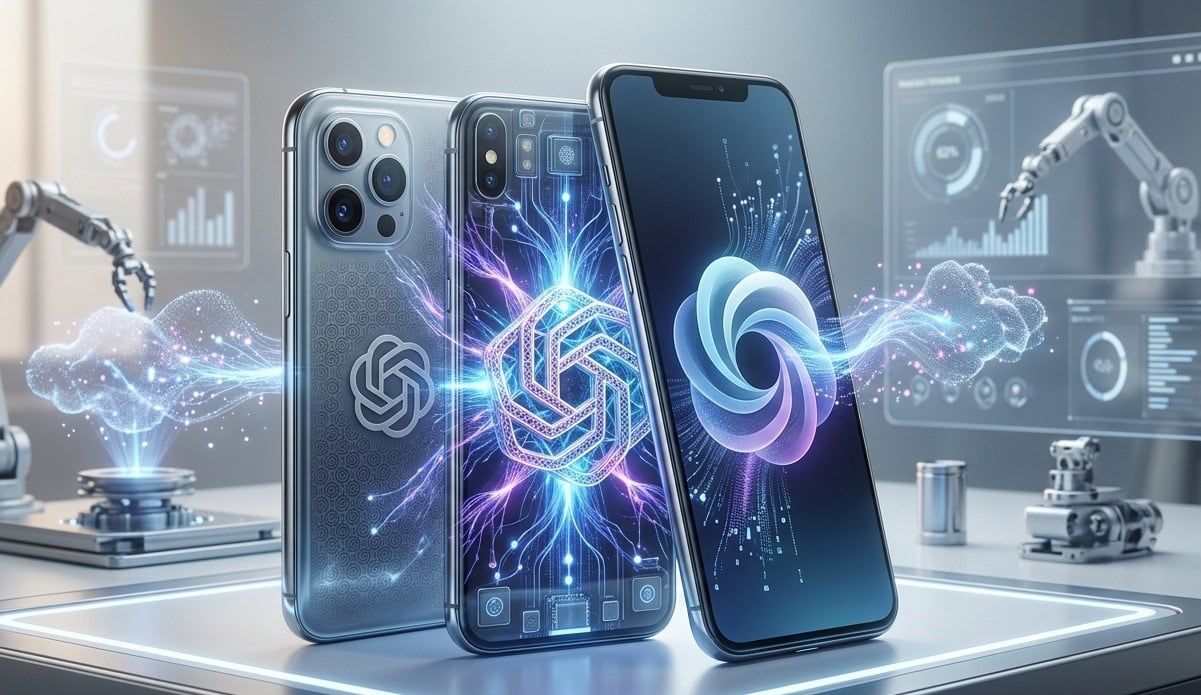
Swapna Kumbar , Bengaluru - OpenAI is collaborating with chip giants Qualcomm and MediaTek to develop custom processors for an AI native smartphone, marking the ChatGPT maker's bold entry into hardware. Analyst Ming Chi Kuo reports mass production starting in 2028 with Luxshare as manufacturing partner, aiming to create a device where AI agents replace traditional apps for seamless, context aware experiences.
The custom chips will enable deep on device AI processing for privacy sensitive tasks like real time voice recognition and personalisation, while offloading complex computations to OpenAI's cloud infrastructure for optimal battery efficiency. Kuo outlines three strategic pillars driving the initiative: complete control over hardware software integration to enable seamless AI agents, smartphones' unmatched scale as real time data collection devices (300-400 million high end units annually), and their role as the ultimate personal AI interface. Development milestones include finalising specifications and suppliers by late 2026 or early 2027, with mass production slated for 2028. Qualcomm's stock jumped 7% on the news, reflecting market excitement about AI optimised mobile SoCs, while MediaTek gains from its cost effective yet powerful chip designs. OpenAI's vision extends beyond hardware: the phone could feature a ChatGPT optimised OS layer where conversational agents manage communications, scheduling, content creation, and even cross app workflows potentially making traditional app icons obsolete. Early partnerships with carriers and OEMs are reportedly underway, targeting a $1,000+ price point to compete in the premium segment dominated by iPhone and Galaxy flagships.
OpenAI's AI smartphone collaboration with Qualcomm and MediaTek signals a seismic shift from app centric to agent centric mobile paradigms, challenging Big Tech's duopoly while capitalising on ChatGPT's massive user base. If executed flawlessly, this could birth the first post app phone by 2028, transforming how billions interact with technology but supply chain hurdles, regulatory scrutiny, and ecosystem lock in pose significant risks to disrupting the trillion dollar smartphone industry.


Iran, Oman and the U.S. are reportedly close to a Strait of Hormuz agreement tha...
.jpeg)
Fresh U.S. airstrikes in Iran reportedly killed 14 people, prompting Iranian ret...
President Donald Trump claimed he is Iran’s “No. 1 target” after security measur...
.jpeg)
Three people were killed in U.S. strikes in western Iran as tensions escalated f...
President Donald Trump said the Iran ceasefire is “over” following fresh U.S. st...