.jpeg)
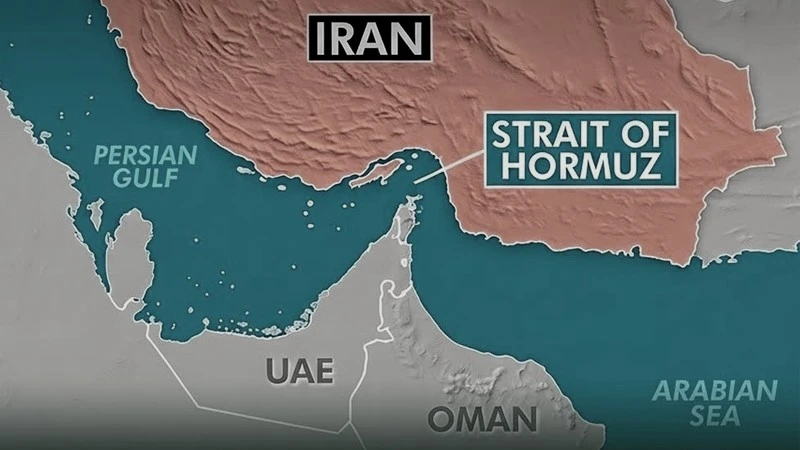
Swapna Kumbar, Bengaluru - Every escalation in the Strait of Hormuz sends ripples across global energy markets, highlighting the vulnerability of countries heavily dependent on oil and gas imports. For India, which imports a significant portion of its energy needs from the Gulf region, a proposed 2,000-kilometre undersea pipeline connecting Oman to Gujarat has emerged as a potentially game-changing project. If realized, the pipeline could strengthen India's energy security and reduce exposure to geopolitical tensions in one of the world's most sensitive maritime corridors.
The proposed Oman-India Deep Sea Pipeline aims to transport natural gas directly from Oman to India's western coast through an underwater route spanning approximately 2,000 kilometres beneath the Arabian Sea. Unlike conventional tanker shipments that must pass through the Strait of Hormuz, the pipeline would provide a dedicated and uninterrupted supply channel. Energy experts believe such a link could significantly reduce logistical risks, improve supply stability, and enhance India's ability to meet growing energy demand as the economy expands.
Beyond energy security, the project carries important economic and strategic implications. A direct pipeline could lower transportation costs over the long term, support industrial growth, and strengthen energy cooperation between India and Oman. However, the ambitious project faces substantial challenges, including high construction costs, deep-sea engineering complexities, environmental considerations, financing requirements, and the need for long-term commercial viability. Despite these hurdles, renewed discussions surrounding the pipeline have gained attention amid concerns over regional instability and the possibility of disruptions to global energy flows through the Strait of Hormuz.
The Oman-Gujarat deep-sea pipeline remains a long-term vision rather than an immediate reality, but its potential impact on India's energy future is significant. By providing an alternative route for natural gas supplies, the project could help shield India from geopolitical shocks, diversify energy infrastructure, and strengthen the country's position as one of the world's fastest-growing energy consumers. As regional tensions continue to influence global markets, the pipeline represents a strategic option that could reshape India's energy landscape for decades to come.
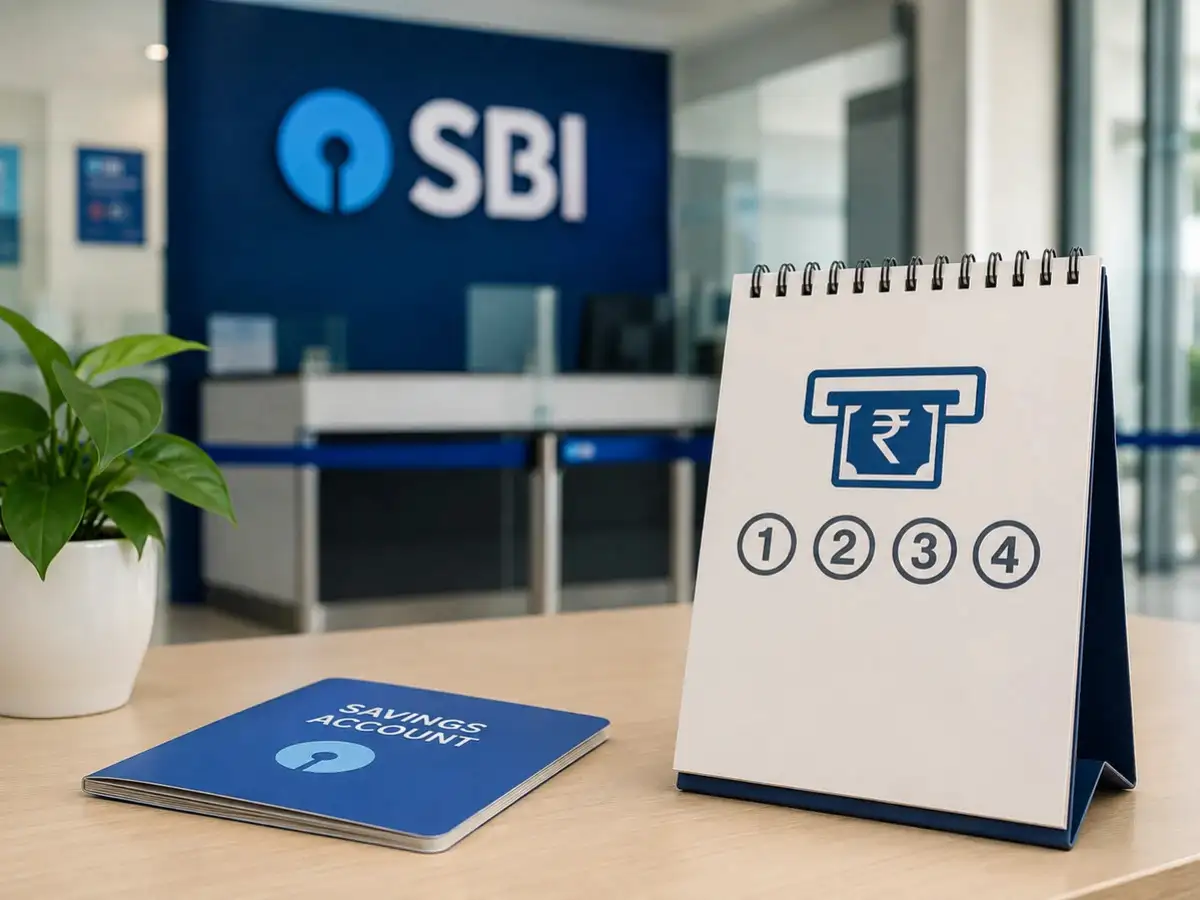
SBI to Charge ₹15 for Cash Withdrawals Beyond Four Transactions from October 1

Champat Rai Questions Nripendra Misra, Releases 9-Page Statement

Meta Removes Illegal CSAM Accounts Following Government Action

Mukesh Khanna’s call to replace “Jana Gana Mana” with “Vande Mataram” has sparked debate over India’s national symbols and the history behind them.
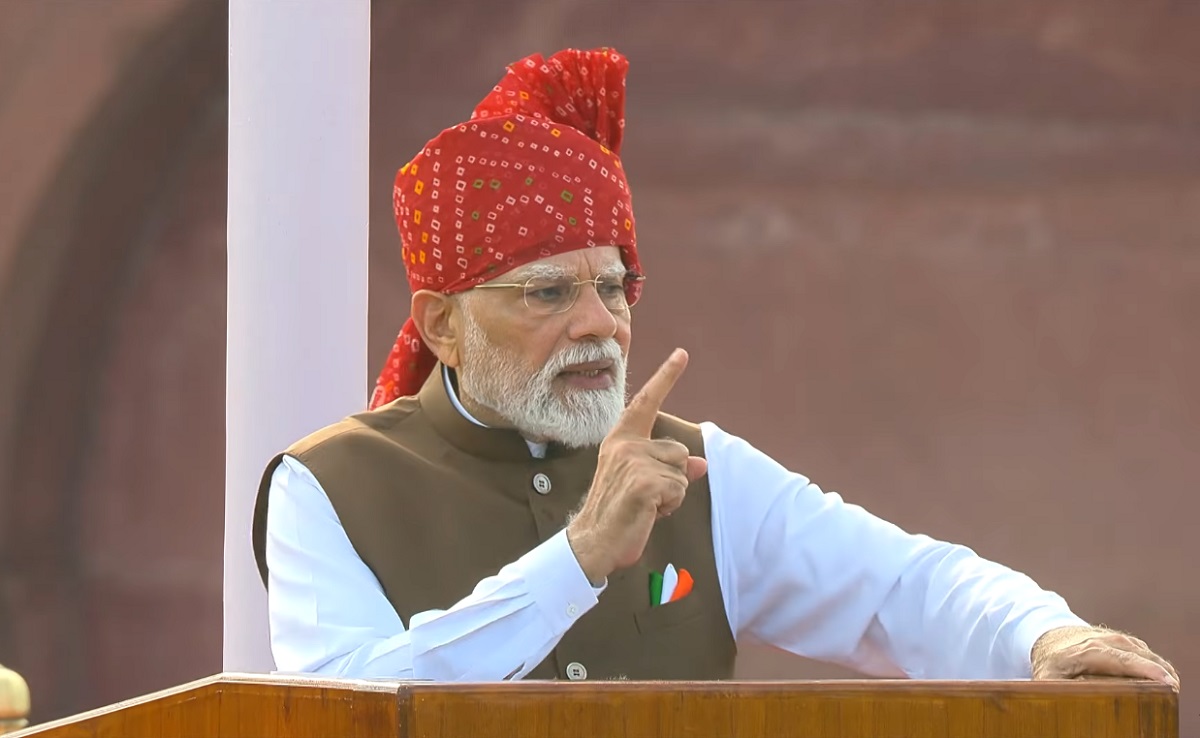
PM Modi warned against what he called “dimaagi Naxals,” urging their identification and isolation, while the Congress criticised the remarks as politically motivated.
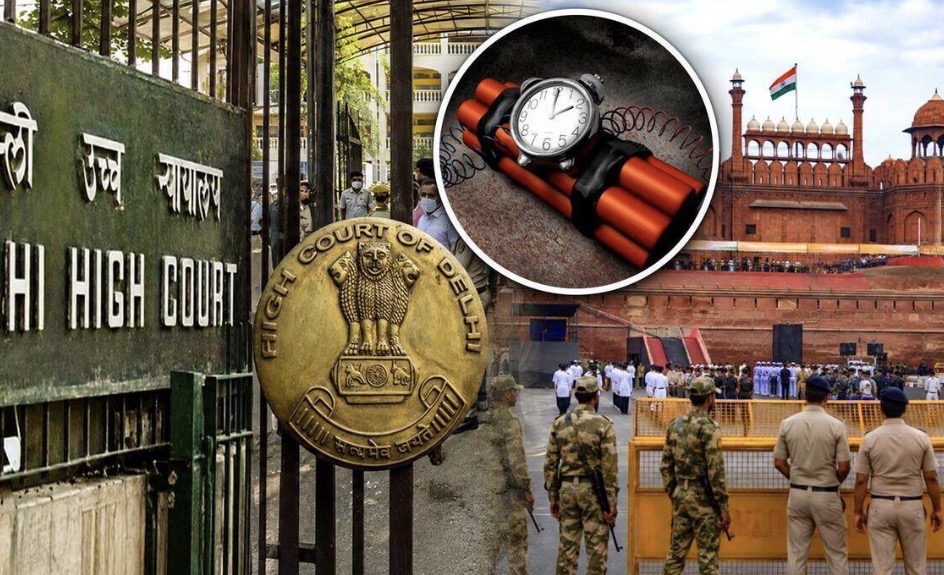
Bomb Threats Reported at Six Locations in Delhi, Security Agencies on High Alert

Supreme Court Grants Major Relief to Samay Raina, All FIRs in ‘India’s Got Latent’ Case Closed
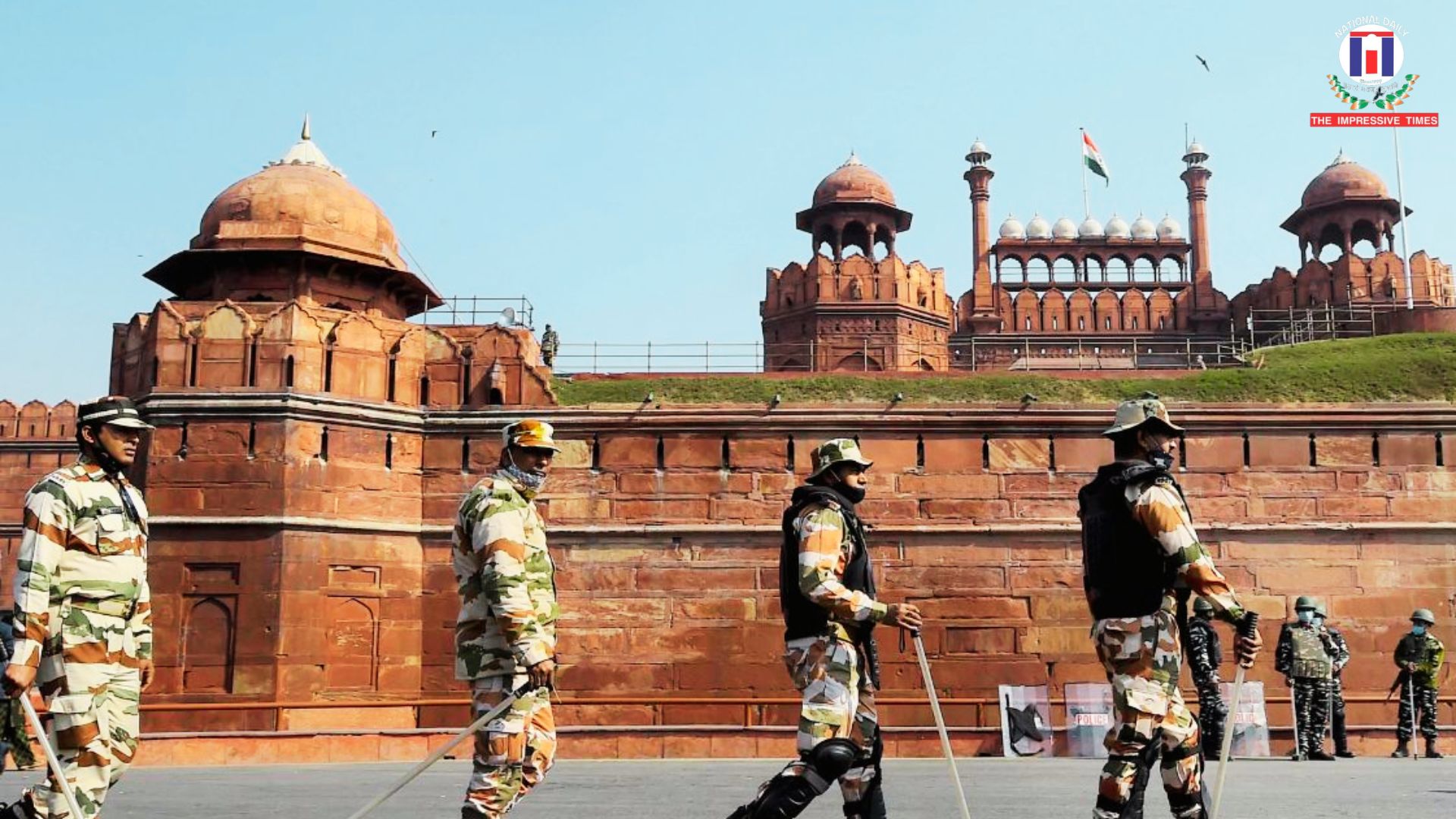
Security Tightened at Red Fort Ahead of Independence Day Celebrations

From winning freedom in 1947 to protecting the values of our Constitution today, the responsibility of building India belongs to all of us.
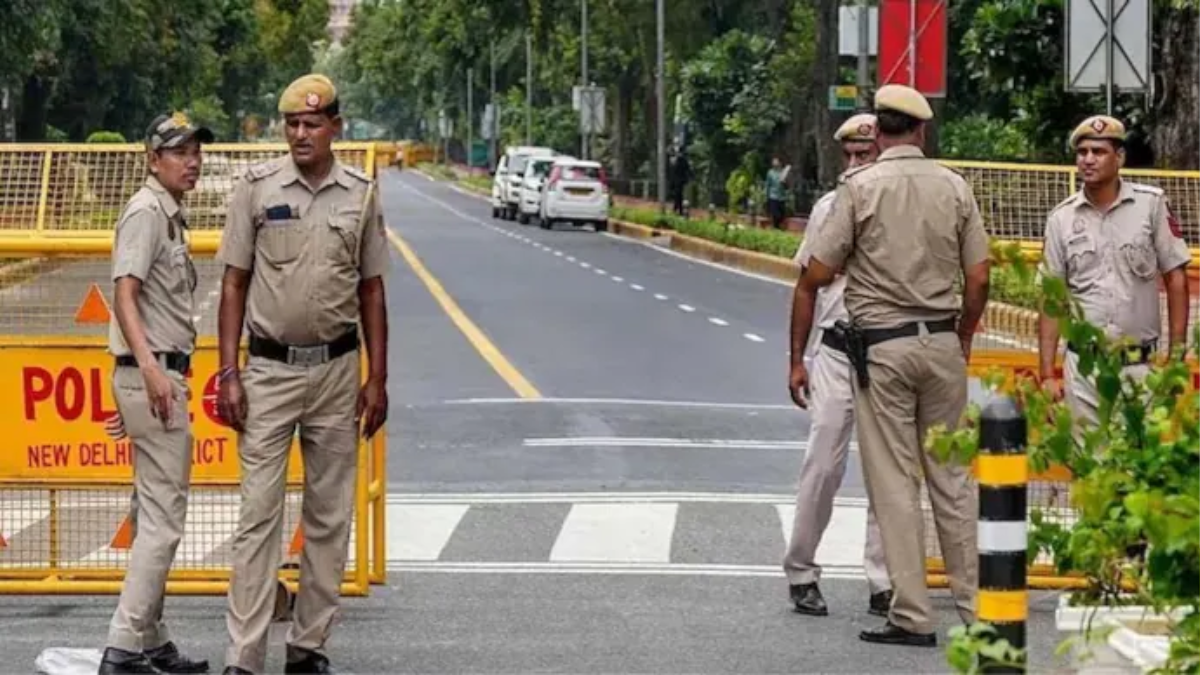
Delhi High Court Receives Bomb Threat, Security Tightened

Iran, Oman and the U.S. are reportedly close to a Strait of Hormuz agreement tha...
.jpeg)
Fresh U.S. airstrikes in Iran reportedly killed 14 people, prompting Iranian ret...
President Donald Trump claimed he is Iran’s “No. 1 target” after security measur...
.jpeg)
Three people were killed in U.S. strikes in western Iran as tensions escalated f...
President Donald Trump said the Iran ceasefire is “over” following fresh U.S. st...