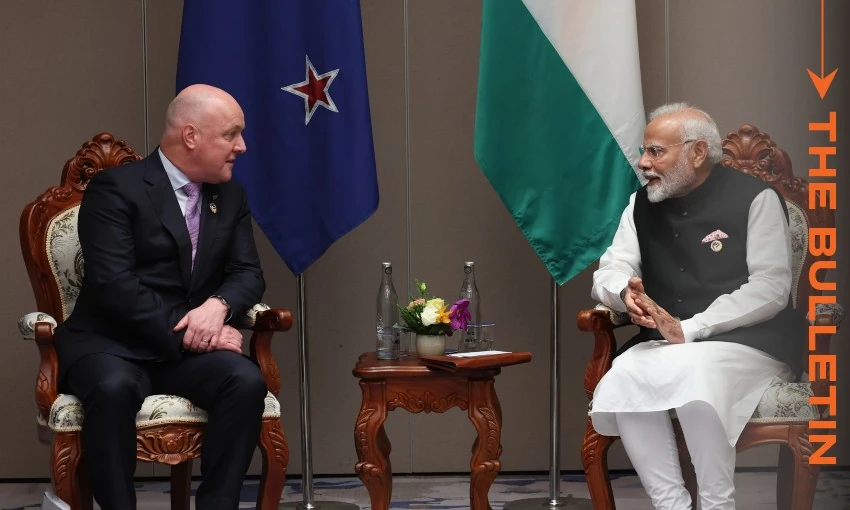
Desk Correspondent , Wellington - New Zealand Prime Minister Christopher Luxon has expressed great excitement about a new trade agreement with India, calling it a major step for the future. He believes that building a strong partnership with India will help his country grow and create new opportunities for businesses. This positive statement comes even though his own Foreign Minister had expressed some concerns about the deal earlier. The Prime Minister is focused on making sure the two nations work closely together to improve their economies. He sees India as a very important friend and a powerful partner in the global market.
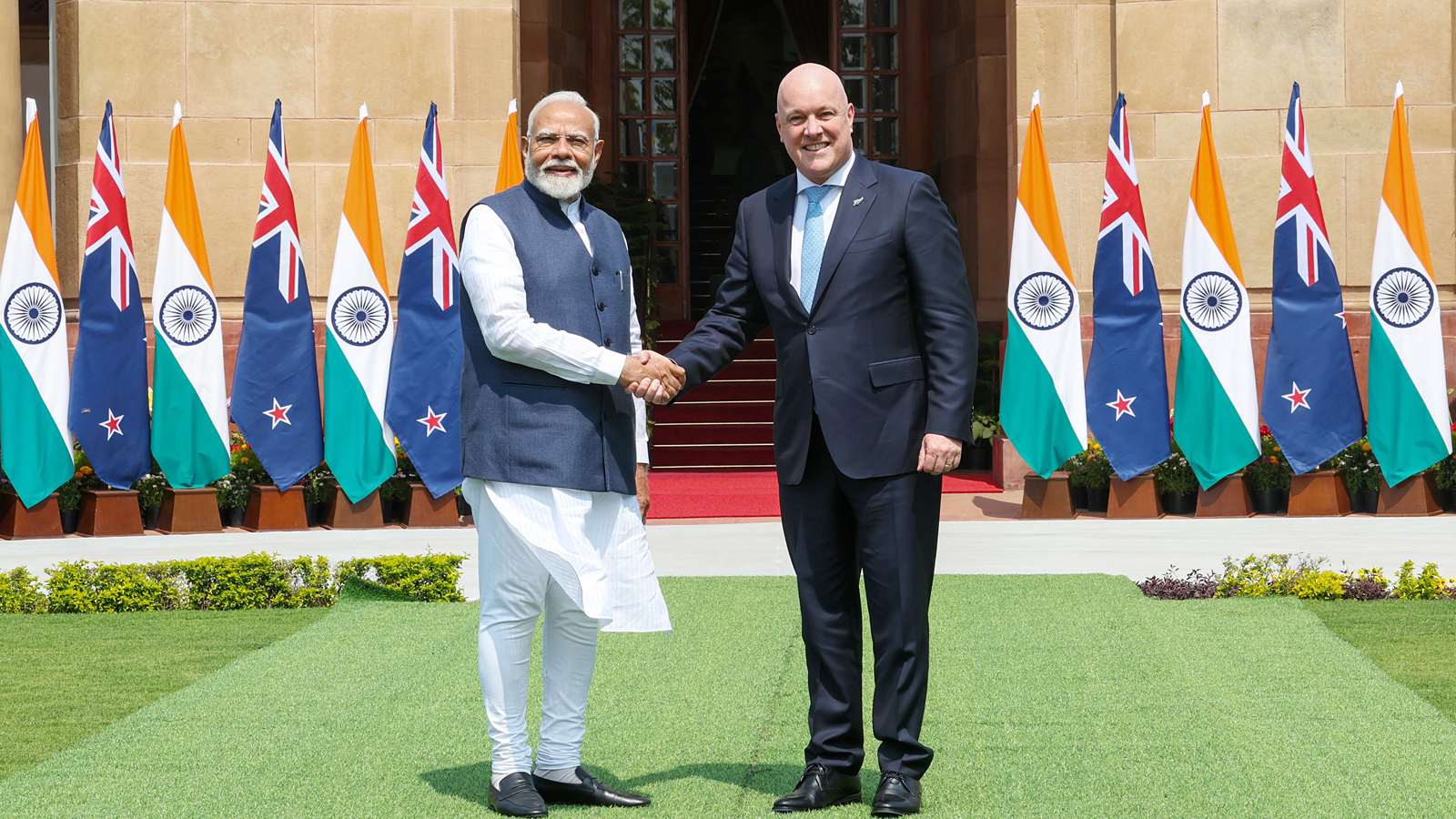
The Prime Minister believes that this Free Trade Agreement will make it easier for companies to sell products and services between the two countries. While there have been some disagreements within his government, he remains confident that the benefits will be worth the effort. During his recent talk, Christopher Luxon shared his vision by saying, "We are building the future by strengthening our ties with a fast-growing economy like India." He emphasized that the deal is not just about money but about building a long-lasting friendship. He further added, "This is a massive opportunity for our exporters to reach a huge and vibrant market."
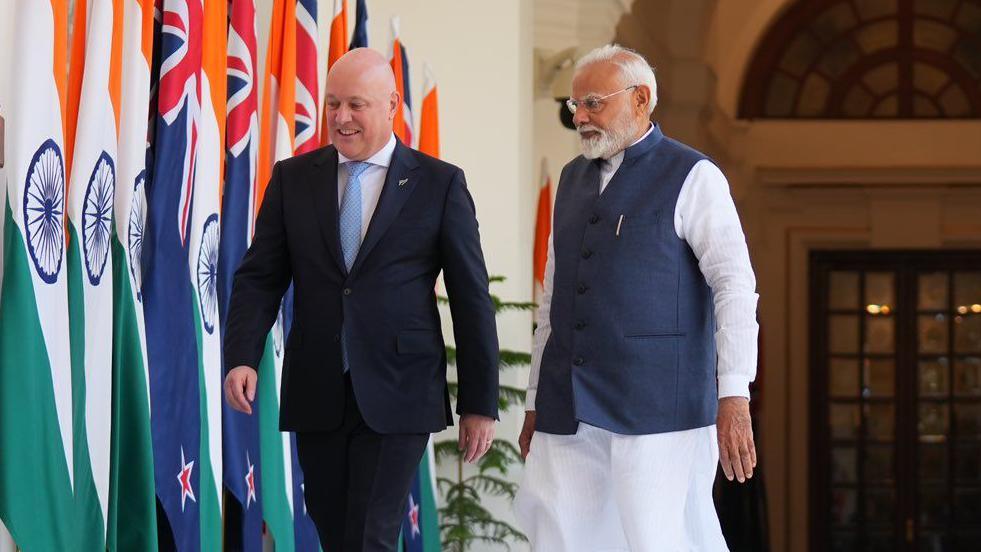
People in both New Zealand and India are watching these developments closely to see how the new rules will change trade. Supporters of the deal say it will bring cheaper goods and more jobs to both nations. However, the government still needs to resolve the internal debates to ensure everyone is on the same page. The Prime Minister is determined to move forward and has promised to address any worries his team might have. For now, the focus is on finishing the details of the plan so that the real work can begin. It is a hopeful time for international relations between these two friendly countries.
.jpeg)
Trump cited India’s voter-ID system while backing the SAVE America Act, highlighting differences in voting rules between the two countries.
.jpeg)
A Russian missile strike hit Lakshmi Mittal-linked ArcelorMittal’s steel plant in Ukraine, killing two and injuring several others as the war escalates.
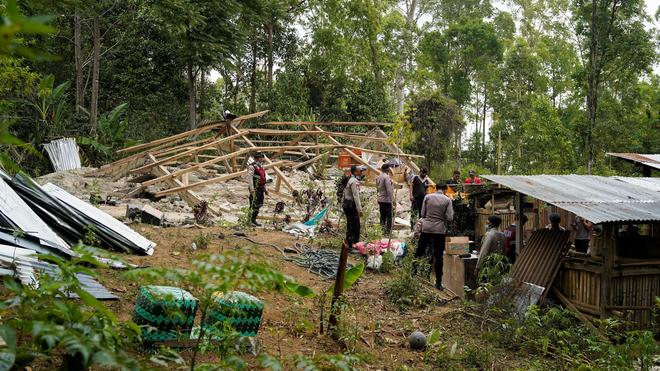
A powerful earthquake in Indonesia has killed 53 people and forced around 5,000 to evacuate, as aftershocks and landslides hamper rescue efforts.

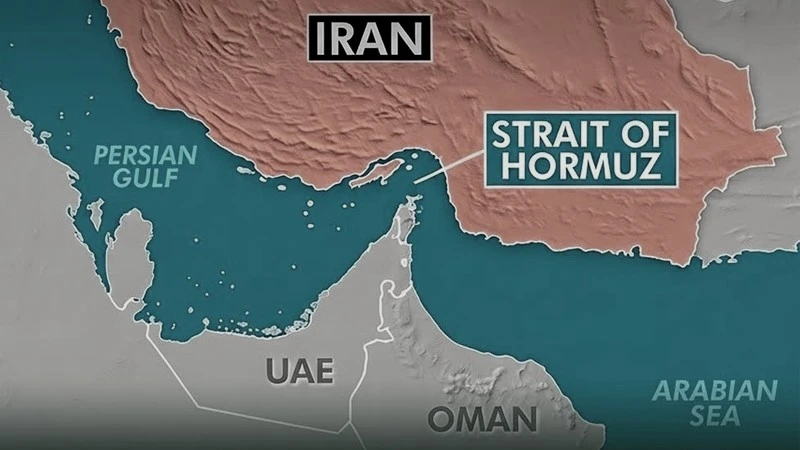
Iran, Oman and the U.S. are reportedly close to a Strait of Hormuz agreement tha...
.jpeg)
Fresh U.S. airstrikes in Iran reportedly killed 14 people, prompting Iranian ret...
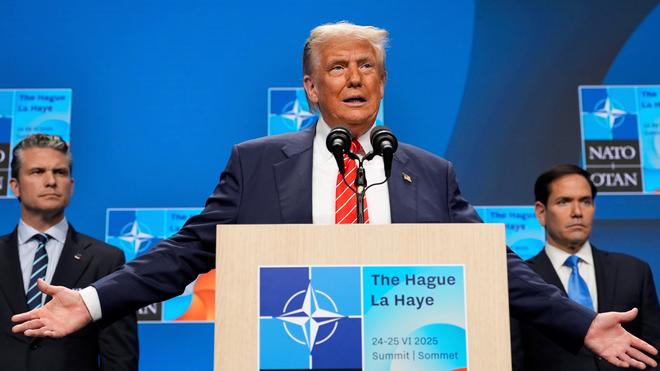
President Donald Trump claimed he is Iran’s “No. 1 target” after security measur...
.jpeg)
Three people were killed in U.S. strikes in western Iran as tensions escalated f...
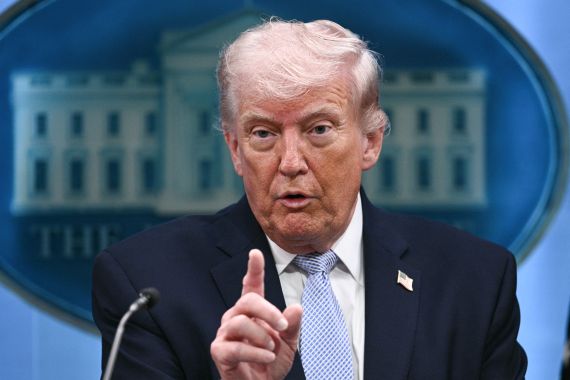
President Donald Trump said the Iran ceasefire is “over” following fresh U.S. st...