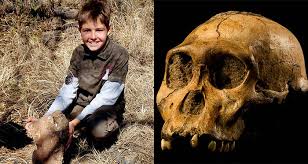
Swapna Kumbar , Bengaluru - In a story that stunned the scientific world, nine-year-old Matt Berger accidentally stumbled upon fossils that would later help researchers identify a new species of ancient human ancestor. The discovery took place in South Africa’s famous Cradle of Humankind region when Matt, the son of renowned paleoanthropologist Lee Berger, noticed unusual fossilized bones lying near a cave site during an exploration trip with his father. What seemed like a curious childhood find soon turned into one of the most important archaeological discoveries in recent decades.
The fossils uncovered by Matt eventually became part of the groundbreaking discovery of Australopithecus sediba, a species believed to have lived nearly two million years ago and considered by many scientists to be a possible evolutionary link between ancient ape-like ancestors and early humans. Researchers found remarkably preserved skeletal remains, including parts of the skull, pelvis, hands, and feet, offering valuable insights into how early hominins may have walked, climbed, and evolved. Scientists praised the discovery for reshaping understanding of human evolution and providing rare evidence of traits shared between primitive and more advanced human ancestors. Matt Berger’s accidental role in the discovery quickly captured global attention, turning him into an unexpected figure in the world of science and archaeology. Experts say the find highlighted not only the importance of careful observation but also how major breakthroughs can happen in the most unexpected ways. The Cradle of Humankind, now recognized as a UNESCO World Heritage Site, continues to be one of the richest locations for studying early human history and evolution.
What began as a simple family outing became a historic scientific breakthrough that expanded humanity’s understanding of its ancient origins. Matt Berger’s discovery remains a powerful reminder that curiosity, observation, and a little luck can sometimes change the course of science forever.

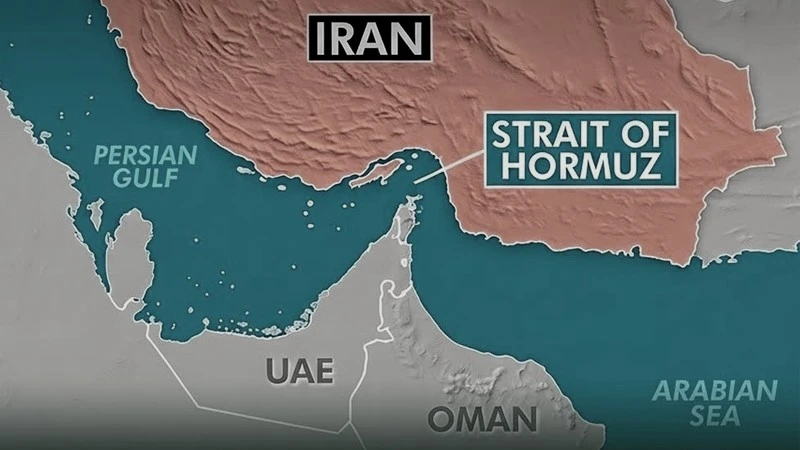
Iran, Oman and the U.S. are reportedly close to a Strait of Hormuz agreement tha...
.jpeg)
Fresh U.S. airstrikes in Iran reportedly killed 14 people, prompting Iranian ret...
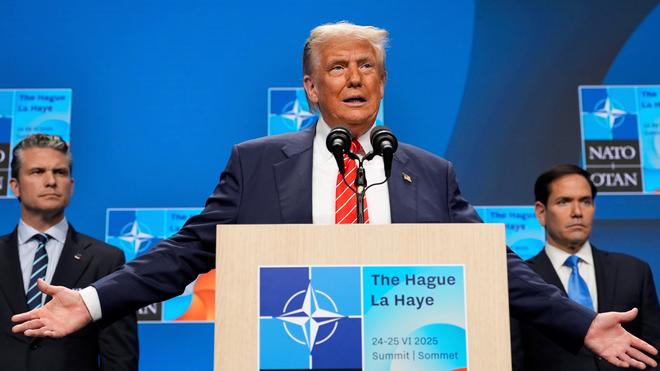
President Donald Trump claimed he is Iran’s “No. 1 target” after security measur...
.jpeg)
Three people were killed in U.S. strikes in western Iran as tensions escalated f...
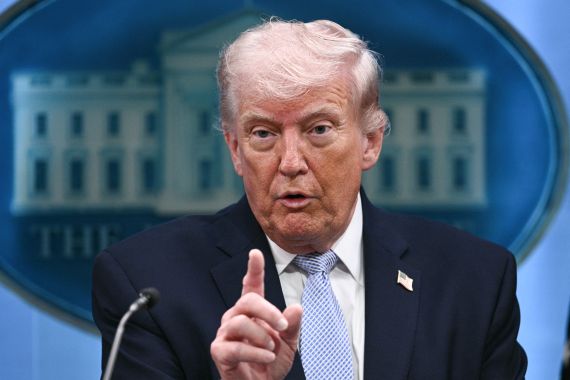
President Donald Trump said the Iran ceasefire is “over” following fresh U.S. st...