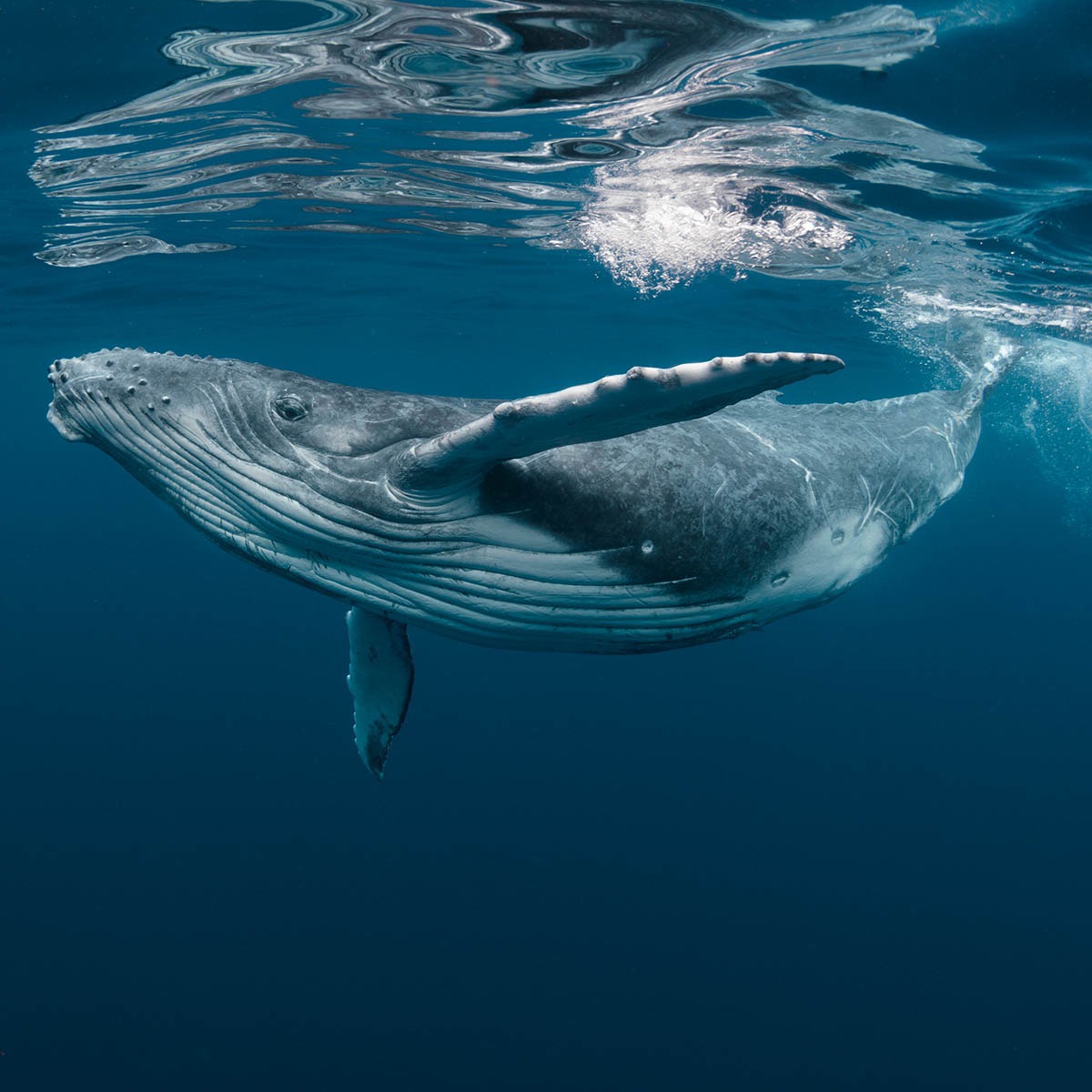
Desk Correspondent , New Delhi - Last Sunday was World Whale Day, a worldwide celebration that began as a local celebration and has now evolved into a global initiative to promote marine conservation and climate awareness. The event will continue to be held every third Sunday in February each year until the end of time; this year’s date of occurrence was Sunday, 15th February. World Whale Day is dedicated to honouring whales and their fundamental role in the oceans, while also recognising the numerous threats that they face due to human actions.
Background and Importance
The first World Whale Day was created by the Pacific Whale Foundation in 1980 in Maui, Hawaii, to draw attention to humpback whales, their remarkable migrations, and the problems that they faced. Over the past 40 years, World Whale Day has become a global event, transitioning from a celebration to an advocacy for whale protection and culture and an education and scientific outreach.
In addition to being iconic images of the ocean, whales are also considered ecological engineers. The whale's feeding and migratory patterns determine how healthy a marine food source will be, and the nutrient-rich gases emitted from their waste are responsible for providing phytoplankton with the nutrients needed to provide oxygen to the ocean and help minimise the effects of climate change. One whale has the potential to sequester approximately 33 tonnes of CO₂ during its existence.
Modern Threats and Human Responsibility
Despite bans on commercial whaling, whales still face serious dangers caused largely by people. These include several reasons. One of them is entanglement in fishing gear, which injures or kills thousands yearly. Moreover, plastic pollution and microplastics are threatening their habitats. Also, ships are struck by busy ocean traffic. And lastly, climate change is disrupting migration and food sources.
The International Whaling Commission (IWC), established in 1946 to regulate whale hunting and conserve populations, continues to push policies aimed at protecting whales from exploitation and ensuring sustainable whale watching.
What People Can Do
World Whale Day is not just a celebration. It's a call to action. Individuals, communities and governments can take action by decreasing the use of plastics and by decreasing pollution in oceans. We must support tourism and whale-watching that does not harm marine ecosystems. Then, advocating for the global use of wise marine conservation policies, including marine protected areas. And finally, educating others about the ecological and cultural significance of whales.
This World Whale Day, conservationists focus on protecting whales, which means protecting the oceans that will lead us to a more eco-friendly future.
.jpeg)
Trump cited India’s voter-ID system while backing the SAVE America Act, highlighting differences in voting rules between the two countries.
.jpeg)
A Russian missile strike hit Lakshmi Mittal-linked ArcelorMittal’s steel plant in Ukraine, killing two and injuring several others as the war escalates.
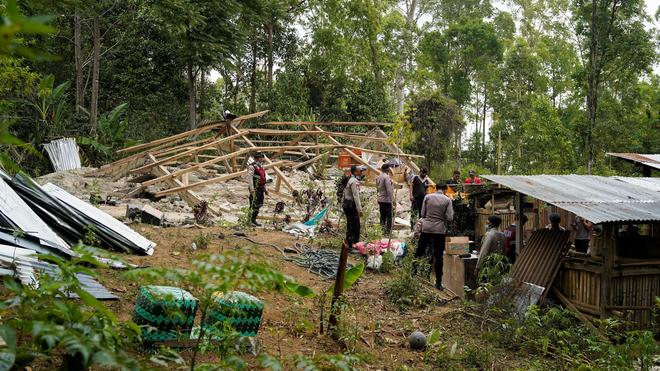
A powerful earthquake in Indonesia has killed 53 people and forced around 5,000 to evacuate, as aftershocks and landslides hamper rescue efforts.

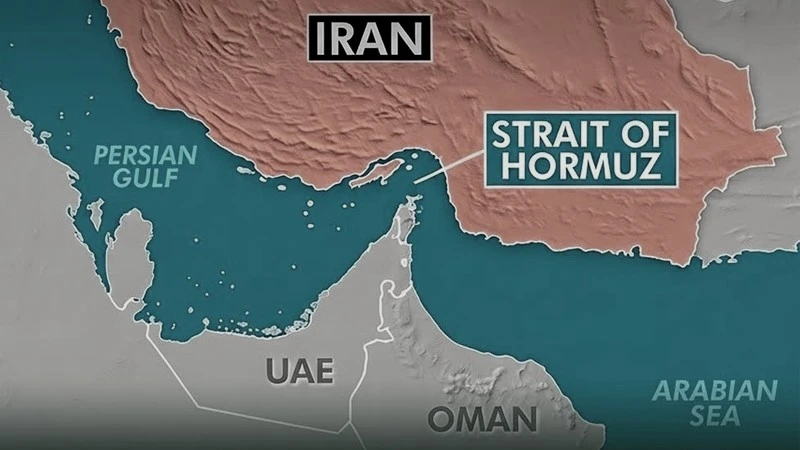
Iran, Oman and the U.S. are reportedly close to a Strait of Hormuz agreement tha...
.jpeg)
Fresh U.S. airstrikes in Iran reportedly killed 14 people, prompting Iranian ret...
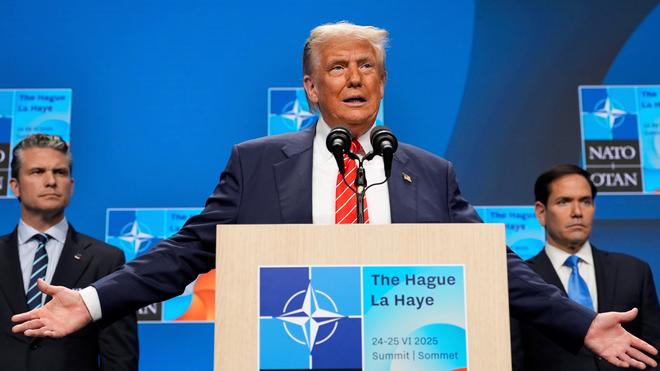
President Donald Trump claimed he is Iran’s “No. 1 target” after security measur...
.jpeg)
Three people were killed in U.S. strikes in western Iran as tensions escalated f...
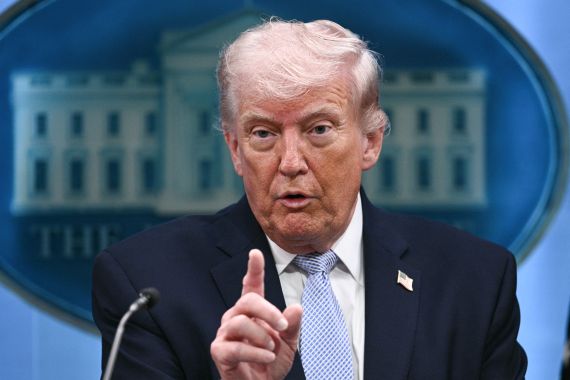
President Donald Trump said the Iran ceasefire is “over” following fresh U.S. st...