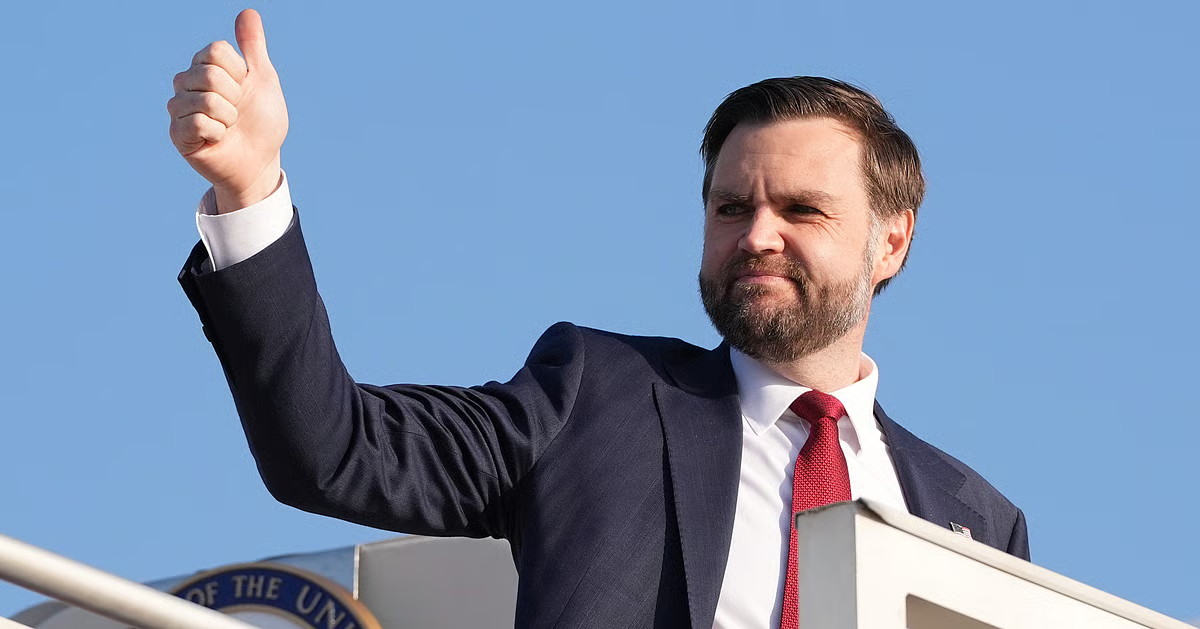
Desk Correspondent , Islamabad - Vice President JD Vance is set to travel to Pakistan on Tuesday for a high profile diplomatic mission aimed at addressing the deepening regional crisis triggered by the US–Iran confrontation in the Strait of Hormuz. The talks are being framed as a critical effort to either extend or salvage the fragile ceasefire and prevent a slide back into open hostilities that could destabilize the Middle East, South Asia, and global energy markets. Islamabad is serving as a neutral venue, hosting the American delegation while also engaging with Iranian and regional counterparts, making Vance’s visit one of the most visible diplomatic gambits by Washington since the conflict escalated.
Vance’s trip follows an earlier round of US-Iran negotiations in Pakistan last month, when he led the American delegation in talks with Iranian officials in Islamabad over a potential ceasefire and long‑term security framework. That earlier mission, labelled both historic and inconclusive, failed to produce a breakthrough as Washington and Tehran remained divided over the Strait of Hormuz, the US naval blockade of Iranian ports, and limits on Iran’s nuclear and regional activities. Despite the setback, Pakistan has continued to serve as a back channel, with Islamabad positioning itself as a neutral mediator pushing both sides to avoid a wider regional war that could destabilize trade routes, energy flows, and security across the Middle East and South Asia.
On this visit, Vance is expected to meet senior Pakistani leaders, including the prime minister and military chiefs, before engaging with Iranian counterparts, directly or through intermediaries, to build a more durable ceasefire architecture and explore a broader political settlement. For Washington, the mission reinforces President Donald Trump’s strategy of pairing diplomacy with pressure, with Vance carrying Trump’s demand for a far better deal that would tighten constraints on Iran’s nuclear and regional behaviour in exchange for the eventual lifting of the port blockade and normalized maritime access through the Strait of Hormuz. At the same time, US officials have warned that if Iran uses the ceasefire window to reposition or test the United States, Washington’s stance could harden rather than soften.
With the current ceasefire in the Strait of Hormuz looking increasingly fragile, Vance’s trip to Pakistan is being watched closely as both a test of Iran’s willingness to pursue a negotiated path and a gauge of Washington’s appetite for compromise. Success in Islamabad would not only buy time for diplomacy but could also unlock a more stable regional order by reducing the risk of renewed strikes, energy disruptions, and broader military escalation. If the mission fails, however, it may signal that the two week pause was merely a tactical interlude in a deeper conflict, pushing the region back toward a more dangerous and unpredictable phase. Nonetheless, by sending the vice president to Islamabad, the United States is signaling that even amid hard line pressures, it still sees room for a diplomatic off ramp if the right mix of leverage and flexibility can be found.
.jpeg)
Trump cited India’s voter-ID system while backing the SAVE America Act, highlighting differences in voting rules between the two countries.
.jpeg)
A Russian missile strike hit Lakshmi Mittal-linked ArcelorMittal’s steel plant in Ukraine, killing two and injuring several others as the war escalates.
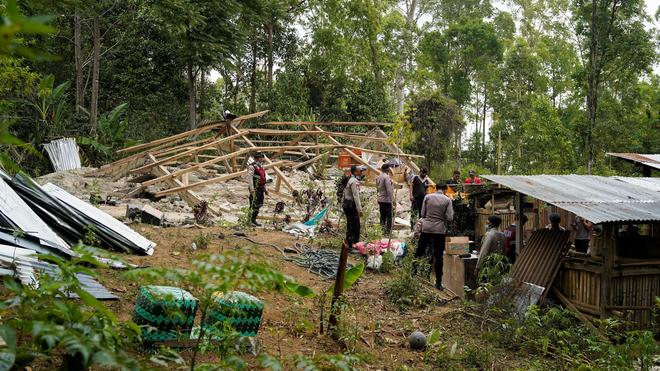
A powerful earthquake in Indonesia has killed 53 people and forced around 5,000 to evacuate, as aftershocks and landslides hamper rescue efforts.

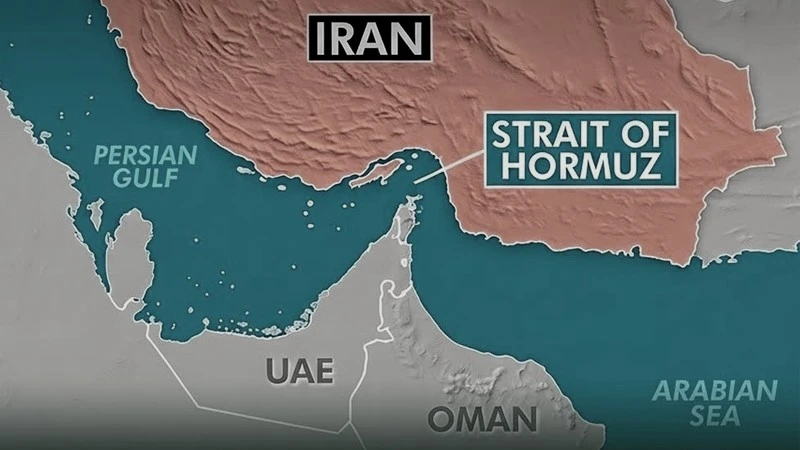
Iran, Oman and the U.S. are reportedly close to a Strait of Hormuz agreement tha...
.jpeg)
Fresh U.S. airstrikes in Iran reportedly killed 14 people, prompting Iranian ret...
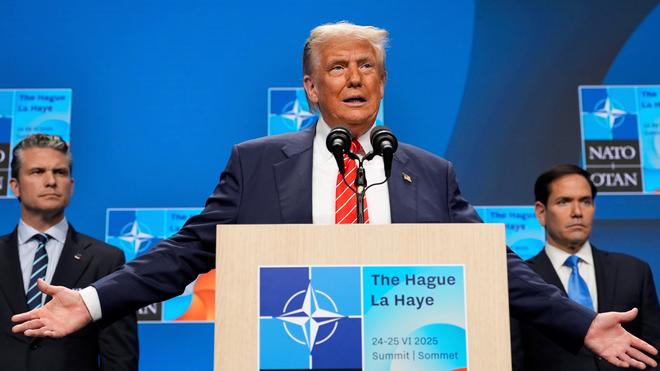
President Donald Trump claimed he is Iran’s “No. 1 target” after security measur...
.jpeg)
Three people were killed in U.S. strikes in western Iran as tensions escalated f...
President Donald Trump said the Iran ceasefire is “over” following fresh U.S. st...