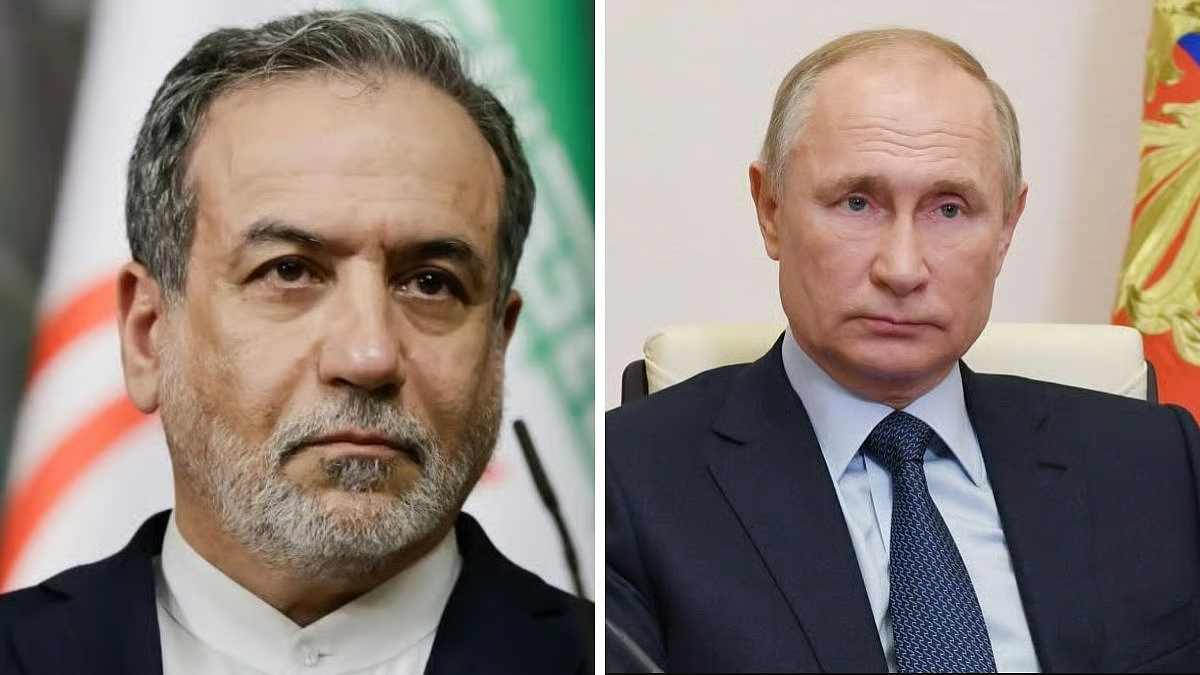
Swapna Kumbar , Bengaluru - Iran has proposed a fresh diplomatic breakthrough: reopening the Strait of Hormuz and ending the war with the United States, while putting substantive nuclear‑program negotiations on hold for now. Tehran’s offer, communicated through Pakistani and Omani intermediaries, seeks to ease the US led naval blockade and restore shipping through one of the world’s most critical energy chokepoints without immediately tying it to concessions on its nuclear activities. At the same time, Iranian Foreign Minister Abbas Araghchi has arrived in St Petersburg for talks with Russian President Vladimir Putin, calling the meeting a valuable opportunity to coordinate positions on the ongoing conflict and regional security.
Iran has put forward a new proposal to reopen the Strait of Hormuz and end the war with the United States, while delaying nuclear program talks to a later stage. The plan, relayed through Pakistani mediators, aims to break the diplomatic stalemate by prioritising an end to hostilities and the removal of the US naval blockade before returning to the more contentious nuclear file. Following shuttle diplomacy in Pakistan and Oman, Iranian Foreign Minister Abbas Araghchi has arrived in St Petersburg for talks with President Vladimir Putin, calling the visit an opportunity to align Moscow with Tehran’s vision for regional security. Iranian officials emphasise that Russia should be part of any Gulf‑security framework, including arrangements around the Strait, to ensure a multilateral rather than purely US driven resolution. Washington, however, remains cautious, insisting that reopening the Strait cannot be fully separated from broader security concerns, including Iran’s missile program and regional proxies. With earlier ceasefire offers rejected as maximalist, both sides are now testing whether a phased, step by step approach can de‑escalate tensions or deepen the current standoff in the Gulf.
By separating the Strait of Hormuz crisis from the nuclear file, Iran aims to build momentum for a de‑escalation that could relieve pressure on its economy and shipping lanes. The talks with Putin in St Petersburg are likely to test whether Moscow can act as a stabilising partner in this process, or whether deeper divisions among Iran, the US, and Russia will keep the standoff in the Gulf frozen. Whatever emerges from these discussions will shape not only the fate of the Strait, but also the broader trajectory of the Israel Iran linked conflict in the Middle East.
.jpeg)
Trump cited India’s voter-ID system while backing the SAVE America Act, highlighting differences in voting rules between the two countries.
.jpeg)
A Russian missile strike hit Lakshmi Mittal-linked ArcelorMittal’s steel plant in Ukraine, killing two and injuring several others as the war escalates.
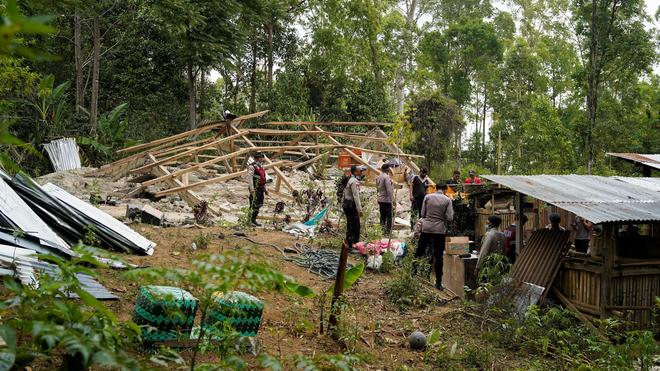
A powerful earthquake in Indonesia has killed 53 people and forced around 5,000 to evacuate, as aftershocks and landslides hamper rescue efforts.

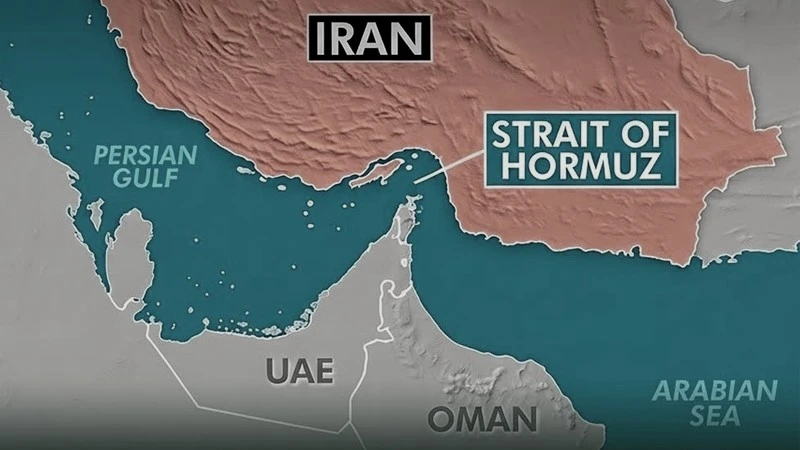
Iran, Oman and the U.S. are reportedly close to a Strait of Hormuz agreement tha...
.jpeg)
Fresh U.S. airstrikes in Iran reportedly killed 14 people, prompting Iranian ret...
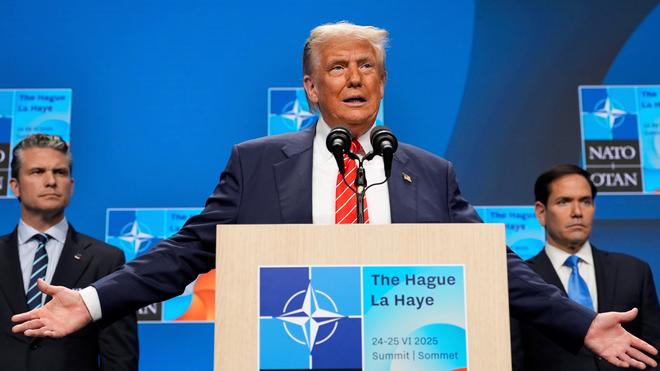
President Donald Trump claimed he is Iran’s “No. 1 target” after security measur...
.jpeg)
Three people were killed in U.S. strikes in western Iran as tensions escalated f...
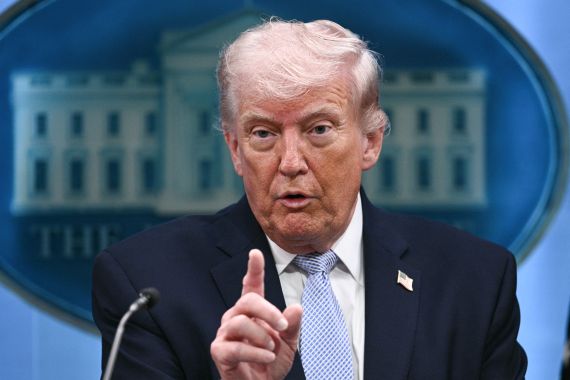
President Donald Trump said the Iran ceasefire is “over” following fresh U.S. st...