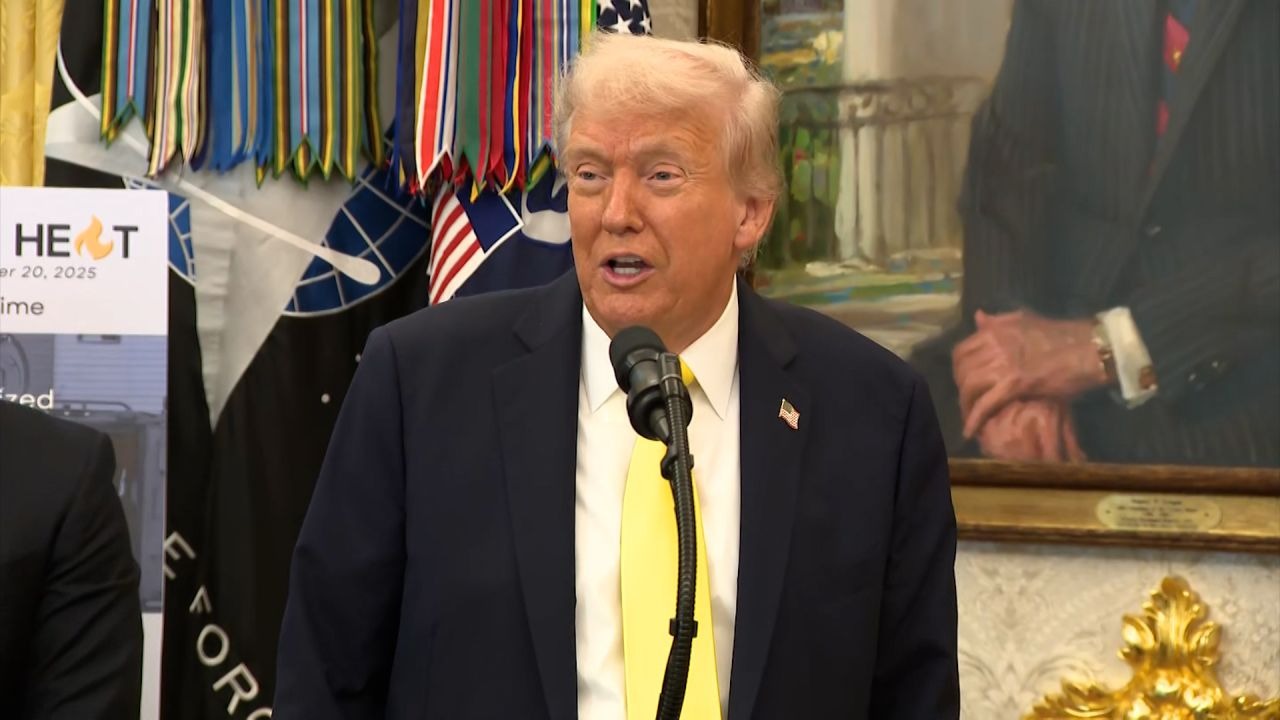
India and the United States are engaged in discussions aimed at deepening their energy cooperation, a move highlighted by the Ministry of External Affairs (MEA) as U.S. President Donald Trump recently asserted that Indian Prime Minister Narendra Modi had “assured” him India would cease purchasing Russian oil.
In response to Trump’s claim, the Indian MEA emphasized that its energy import policy is driven by the central goal of protecting the interests of Indian consumers in a volatile global energy market, and that decisions are made on the basis of supply, affordability, and national interests.
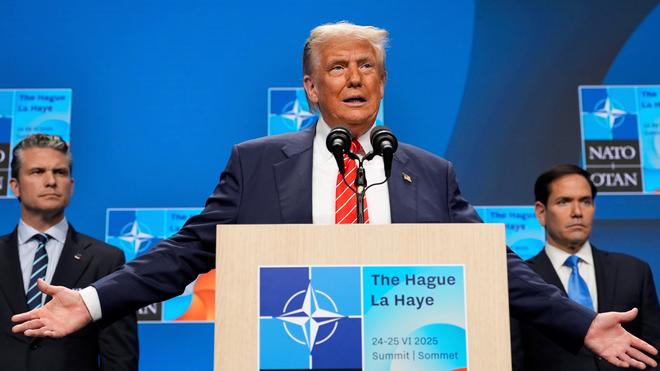
The MEA also confirmed active discussions with the current U.S. administration on expanding cooperation in the energy sector. Trump, during a White House press interaction, had said he was not happy with India’s oil purchases from Russia, and claimed Modi had committed to stopping them. However, he clarified that the change would not happen immediately, but over a “short period of time.”
President Trump warned that Iran may be rebuilding its nuclear programme at a new underground site, as U.S.-Iran talks continue amid concerns over Tehran’s nuclear activities.
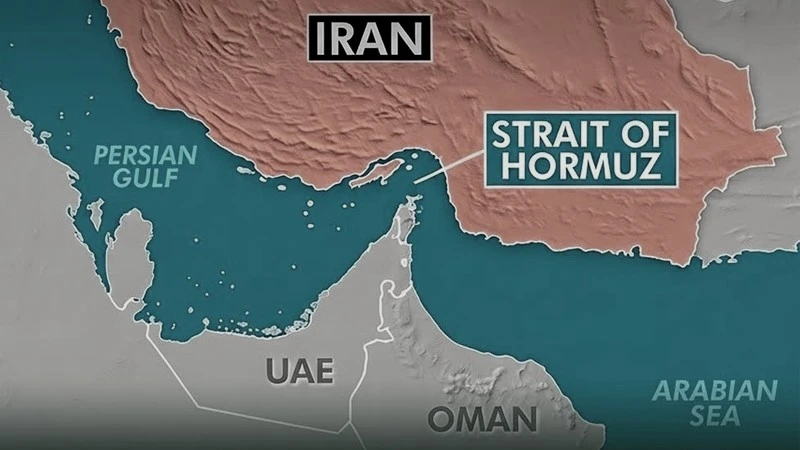
Oil prices edged higher after a cargo ship was attacked near the Strait of Hormuz, renewing concerns over global energy supplies and shipping security.
The death toll from Venezuela’s devastating twin earthquakes has risen to 235, with thousands still missing as rescue teams continue searching for survivors.
Iran has demanded a full Israeli withdrawal from Lebanon, while U.S. Secretary of State Marco Rubio said Washington remains open to peace with Iran if regional security interests are protected.
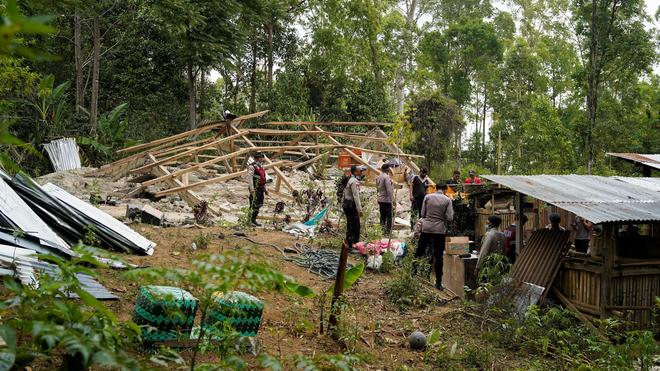
At least 164 people have died and 971 have been injured after powerful twin earthquakes struck Venezuela, triggering a state of emergency and a major international relief effort.
At least 32 people have died and more than 700 have been injured after powerful twin earthquakes struck Venezuela, triggering a state of emergency and international offers of aid.
Venezuela has declared a state of emergency after twin earthquakes killed at least 32 people, causing building collapses, injuries, and widespread disruption across affected regions.
Iran has warned that ships entering the Strait of Hormuz without authorization could face action, raising concerns over shipping security and global energy supplies in the Gulf region.
Venezuela has declared a state of emergency after twin powerful earthquakes struck near its Caribbean coast, causing building collapses, widespread panic, and ongoing aftershocks.
Indian refiners are expected to remain cautious despite a temporary U.S. sanctions waiver on Iranian oil, citing concerns over payments, shipping, insurance, and regulatory risks.
Iran has hailed the U.S.-Iran agreement as a victory for Tehran, while U.S. Secretary of State Marco Rubio tours Gulf nations to reassure allies about the fragile regional peace framework.
Iranian President Pezeshkian said Tehran’s missile and deterrence capabilities are non-negotiable, signaling that any future deal with the U.S. will not include restrictions on Iran’s defense program.
President Trump criticized Keir Starmer following his resignation announcement, linking the move to disagreements over energy, immigration, and broader policy decisions.
The U.S. Senate approved a War Powers resolution seeking to limit military action against Iran without congressional approval, marking a significant political setback for President Trump.
India is helping build Mongolia’s first oil refinery through a $1.7 billion project, a major step toward boosting Mongolia’s energy security and strengthening bilateral ties.
Ghaziabad Murder Accused Killed in Police Encounter
Hopes for a breakthrough in US-Iran negotiations were put on hold after Presiden...
DK Shivakumar Set to Take Oath as Karnataka Chief Minister on June 3
Sehwag Trolls Sai Sudharsan After Back-to-Back Hit-Wicket Dismissals in IPL Play...
India has confirmed signing a BrahMos missile agreement with Vietnam, marking a...