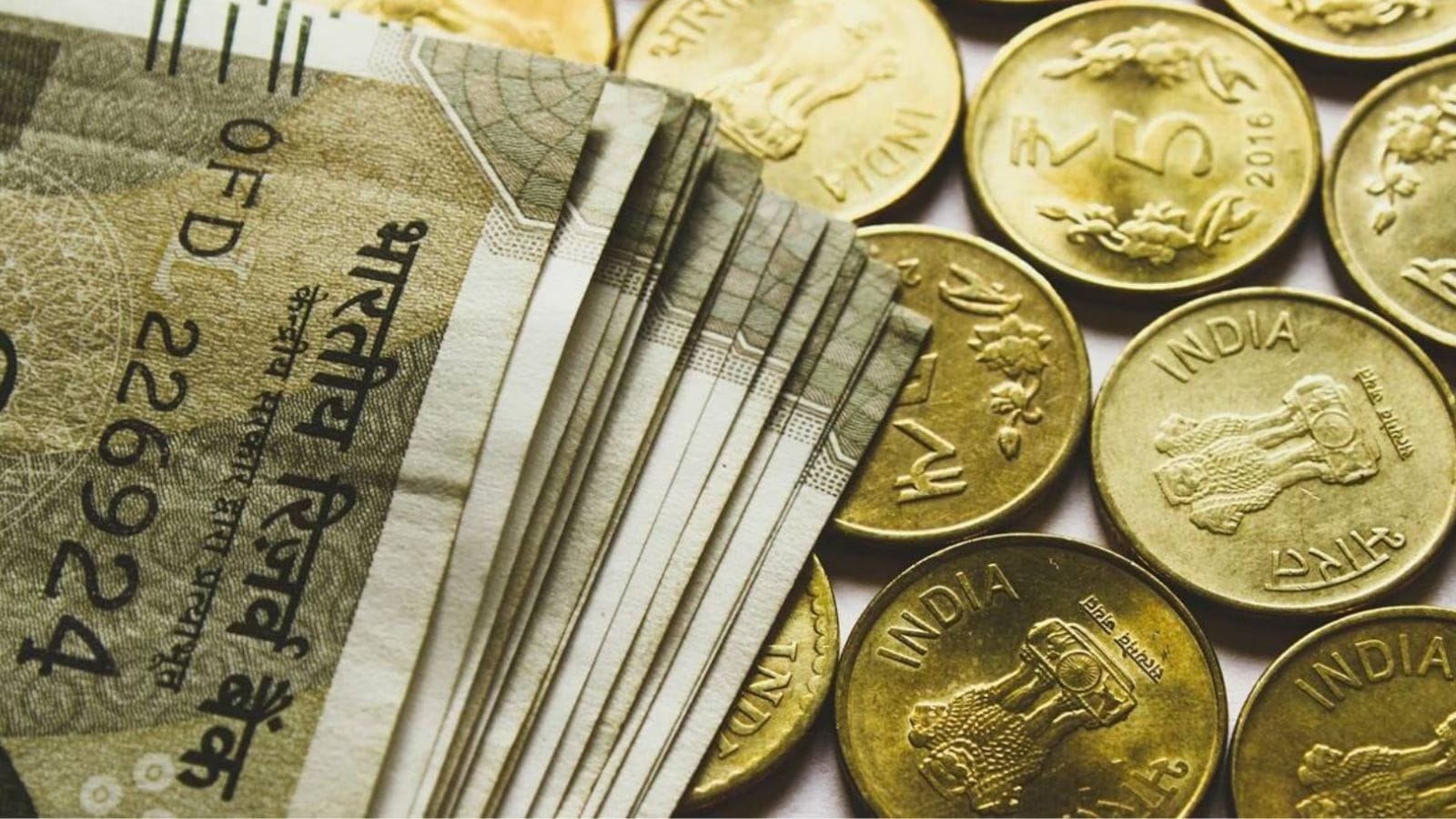
Swapna Kumbar , Bengaluru - In a significant economic policy shift, the Indian government has removed capital gains tax on foreign investments in government securities. The move is designed to attract more overseas capital into India's bond market at a time when the rupee is facing pressure from rising oil prices, geopolitical uncertainty, and foreign fund outflows. The decision reflects New Delhi's broader strategy to strengthen financial stability and improve investor confidence.
The tax exemption, announced through an ordinance signed by President Droupadi Murmu, takes effect from April 1, 2026. Under the new rules, eligible foreign institutional investors and certain international financial institutions will no longer be required to pay capital gains tax on profits earned from Indian government securities. Interest income from these investments will also receive tax benefits under specific conditions. Previously, foreign investors faced a 12.5% long-term capital gains tax and a 20% withholding tax on interest income from government bonds.
Officials believe the measure will make Indian debt markets more competitive and attractive compared to other emerging economies. The government hopes increased foreign participation will bring stable capital inflows, support the rupee, and help offset the impact of large foreign withdrawals from equity markets. Analysts note that while the immediate market reaction was muted because the move had been anticipated, the long-term impact could be significant by improving post-tax returns for global investors and encouraging deeper participation in India's bond market. Recent economic pressures, including higher crude oil prices and global geopolitical tensions, have added urgency to efforts aimed at attracting foreign capital and maintaining financial stability.
By eliminating taxes on foreign investments in government bonds, India is signaling its commitment to creating a more investor-friendly environment and aligning its financial markets with global standards. The policy is expected to strengthen capital inflows, support the national currency, and reinforce India's position as an attractive destination for international investors in the years ahead.
.jpeg)
Trump cited India’s voter-ID system while backing the SAVE America Act, highlighting differences in voting rules between the two countries.
.jpeg)
A Russian missile strike hit Lakshmi Mittal-linked ArcelorMittal’s steel plant in Ukraine, killing two and injuring several others as the war escalates.

A powerful earthquake in Indonesia has killed 53 people and forced around 5,000 to evacuate, as aftershocks and landslides hamper rescue efforts.

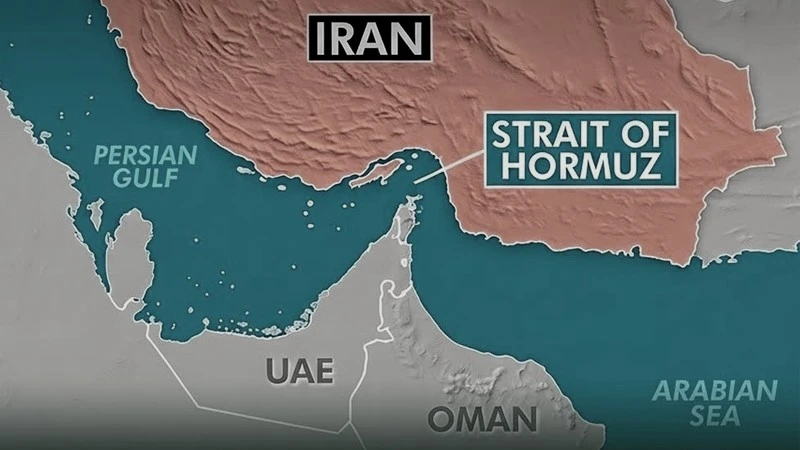
Iran, Oman and the U.S. are reportedly close to a Strait of Hormuz agreement tha...
.jpeg)
Fresh U.S. airstrikes in Iran reportedly killed 14 people, prompting Iranian ret...
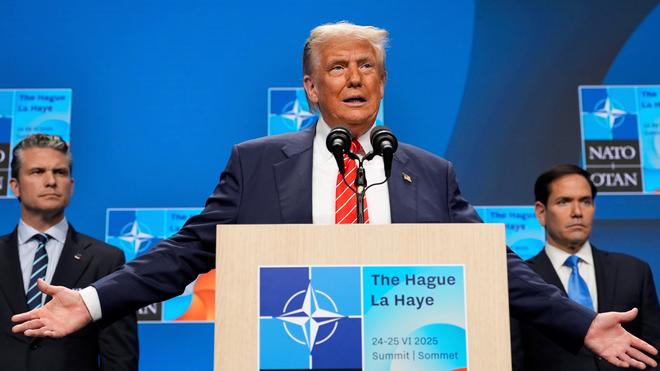
President Donald Trump claimed he is Iran’s “No. 1 target” after security measur...
.jpeg)
Three people were killed in U.S. strikes in western Iran as tensions escalated f...
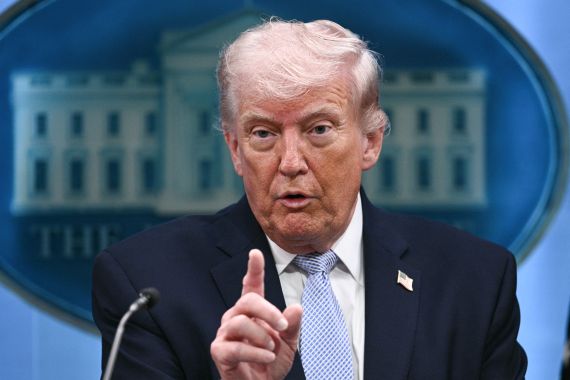
President Donald Trump said the Iran ceasefire is “over” following fresh U.S. st...