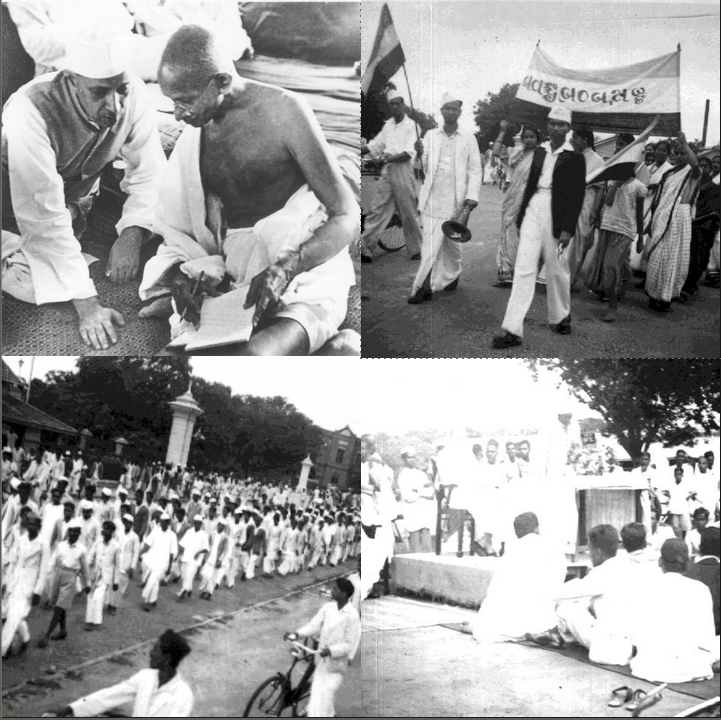
Swapna Kumbar , Bengaluru - Every nation has a story of how it found its voice. India's story is written in the courage of ordinary people who refused to stay silent farmers, students, lawyers, soldiers, and mothers who turned resistance into a movement, and a movement into freedom. As we count down to August 15th, we begin this series by looking back at six defining moments that shaped India's long road to independence.
Revolt of 1857: The Spark That Lit a Nation
Often called India's First War of Independence, the Revolt of 1857 began as a rebellion among sepoys in the British East India Company's army and quickly swelled into a widespread uprising across northern and central India. Soldiers, local rulers, and ordinary civilians united however briefly against a common power. The revolt was ultimately suppressed, but it exposed deep cracks in colonial rule and marked the moment India's resistance stopped being scattered and started becoming collective.
Swadeshi Movement (1905): Buying Back a Nation's Pride
When the British partitioned Bengal in 1905, ostensibly for administrative convenience but widely seen as a strategy to divide Hindus and Muslims, the response was swift and symbolic. The Swadeshi Movement called on Indians to boycott British goods and revive domestic industry turning economic choice into a political statement. Foreign cloth was burned in public bonfires, and "Swadeshi" became more than a slogan; it became a lifestyle of quiet, deliberate defiance.
Jallianwala Bagh Massacre (April 13, 1919): The Day That Changed Everything
On the afternoon of Baisakhi, thousands of unarmed men, women, and children gathered at Jallianwala Bagh in Amritsar for a peaceful public meeting. British troops under General Dyer opened fire on the crowd without warning, killing hundreds and wounding many more in one of the most brutal chapters of colonial rule. The massacre shattered any remaining trust between Indians and the British government, and it pushed even moderate voices toward the demand for complete independence.
Non-Cooperation Movement (1920–1922): Refusing to Play Along
Mahatma Gandhi's call for non-cooperation transformed the freedom struggle into a mass movement. Indians were urged to withdraw from British institutions entirely leaving government schools, boycotting courts, resigning from official posts, and refusing to buy British goods. It was the first time the independence movement reached deep into everyday life, uniting millions under the simple but powerful idea that cooperation was a choice and Indians were choosing to stop.
Civil Disobedience Movement & the Salt March (1930): A Fistful of Salt, A Nation's Defiance
In March 1930, Gandhi and a small group of followers set out on a 240-mile march to the coastal town of Dandi to break the British salt laws by making salt from seawater an act as simple as it was revolutionary. The Salt March became the spark for the wider Civil Disobedience Movement, as Indians across the country began openly defying unjust laws. It proved that peaceful, deliberate resistance could shake an empire.
Quit India Movement (1942): The Final Call
As the Second World War raged on, Gandhi launched the Quit India Movement with a clear, uncompromising demand: an immediate end to British rule. The "Do or Die" call energized a new generation of freedom fighters and triggered a nationwide uprising, met with mass arrests and heavy repression. Though the British held on for a few more years, Quit India made one thing unmistakably clear India's independence was no longer a question of if, but when.

SBI to Charge ₹15 for Cash Withdrawals Beyond Four Transactions from October 1
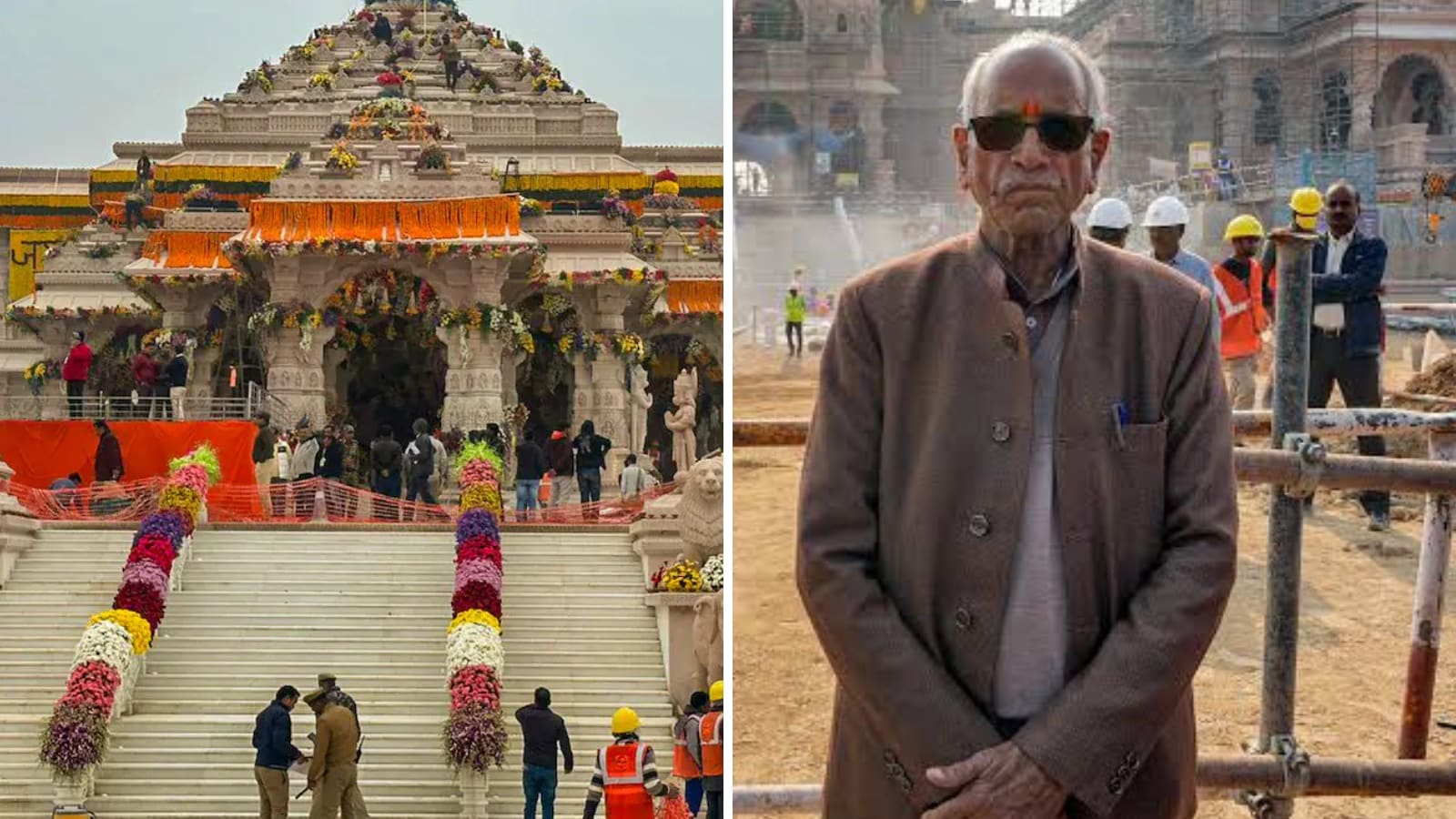
Champat Rai Questions Nripendra Misra, Releases 9-Page Statement

Meta Removes Illegal CSAM Accounts Following Government Action
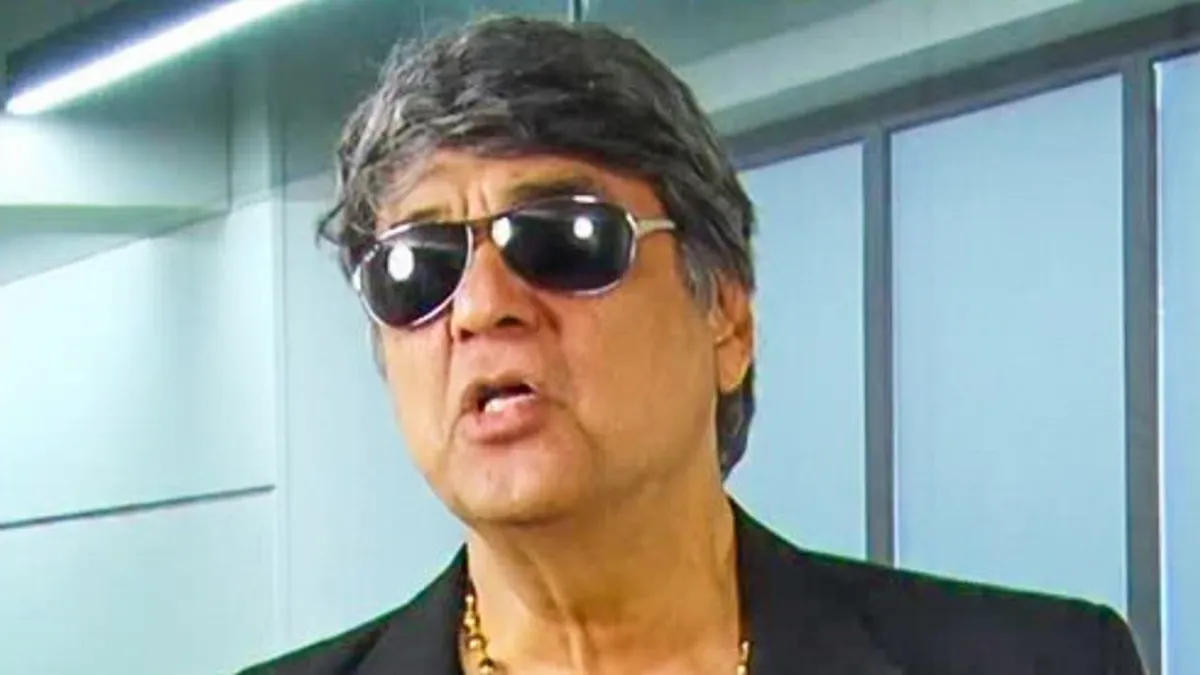
Mukesh Khanna’s call to replace “Jana Gana Mana” with “Vande Mataram” has sparked debate over India’s national symbols and the history behind them.
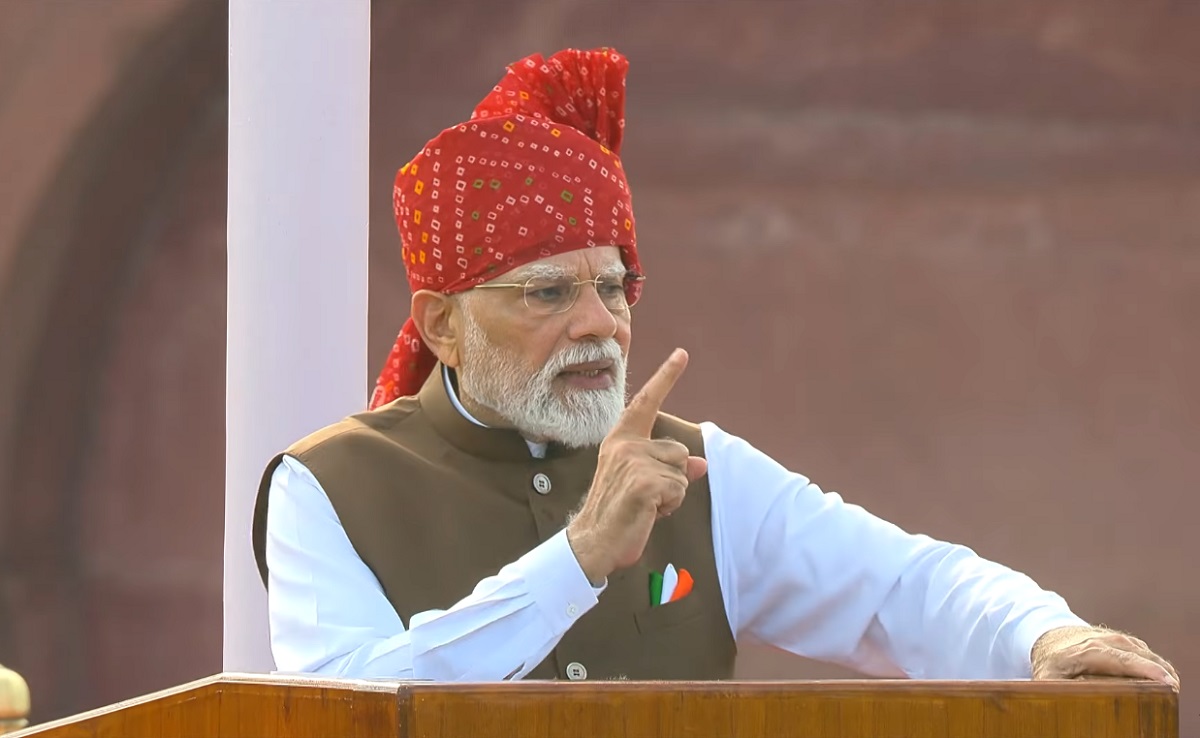
PM Modi warned against what he called “dimaagi Naxals,” urging their identification and isolation, while the Congress criticised the remarks as politically motivated.
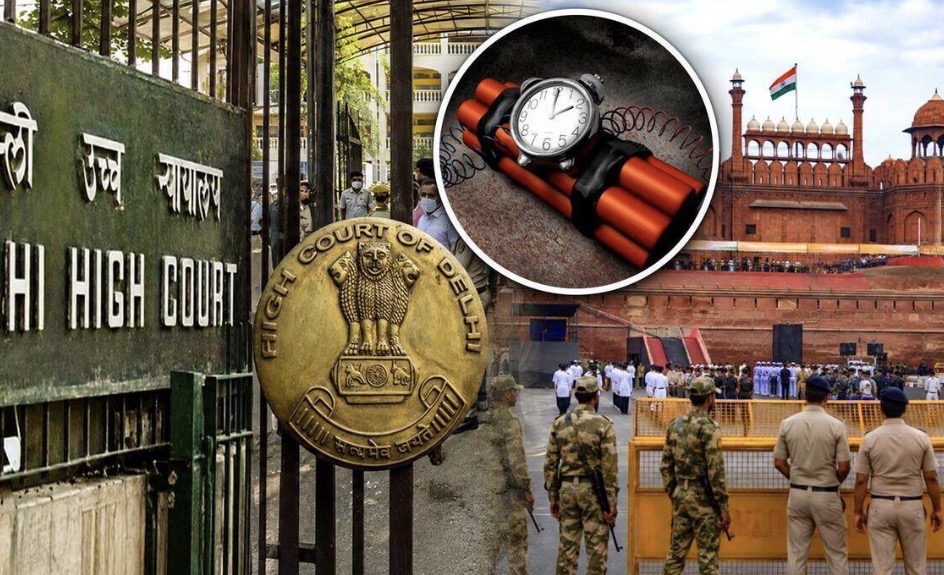
Bomb Threats Reported at Six Locations in Delhi, Security Agencies on High Alert

Supreme Court Grants Major Relief to Samay Raina, All FIRs in ‘India’s Got Latent’ Case Closed
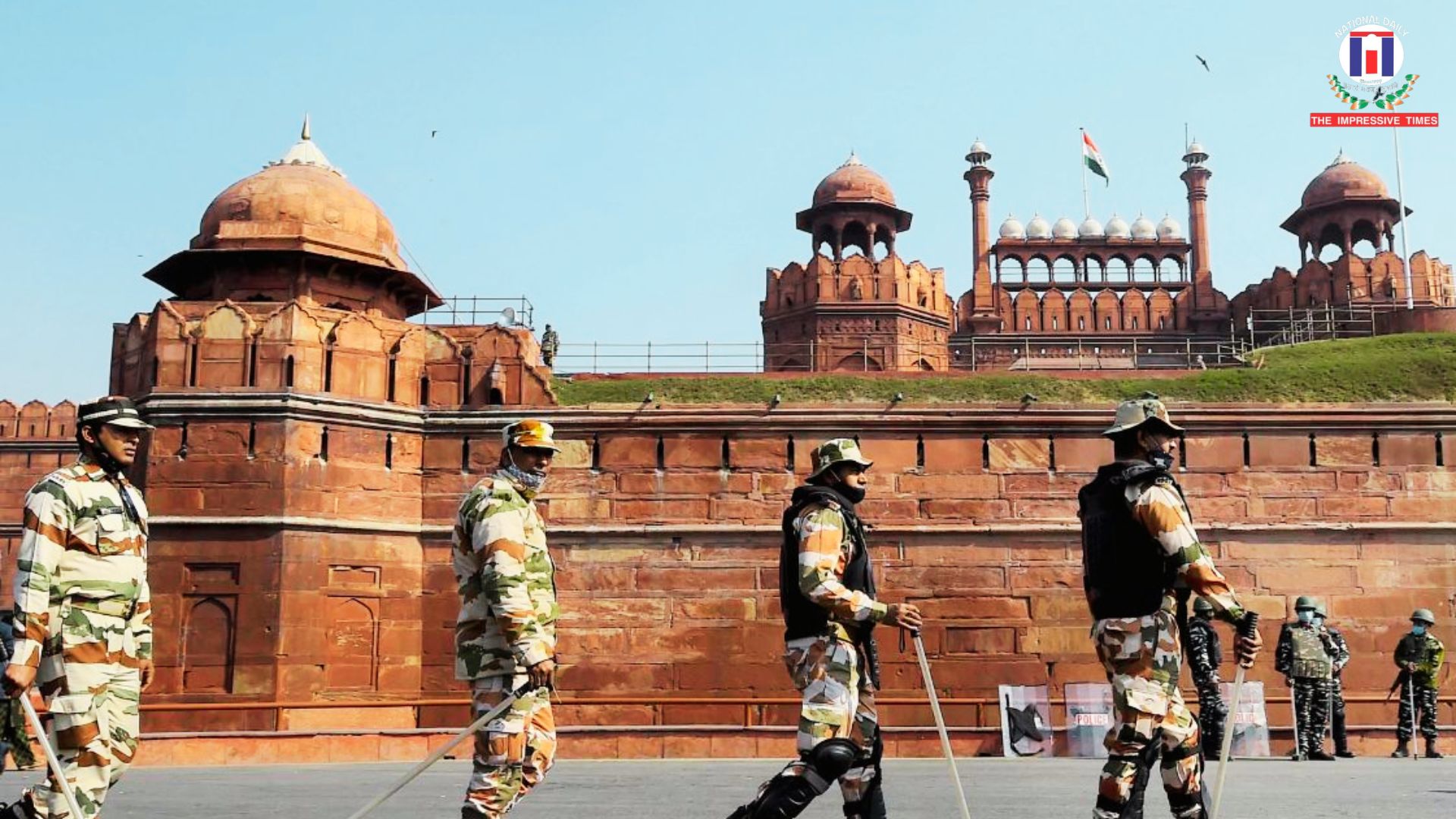
Security Tightened at Red Fort Ahead of Independence Day Celebrations
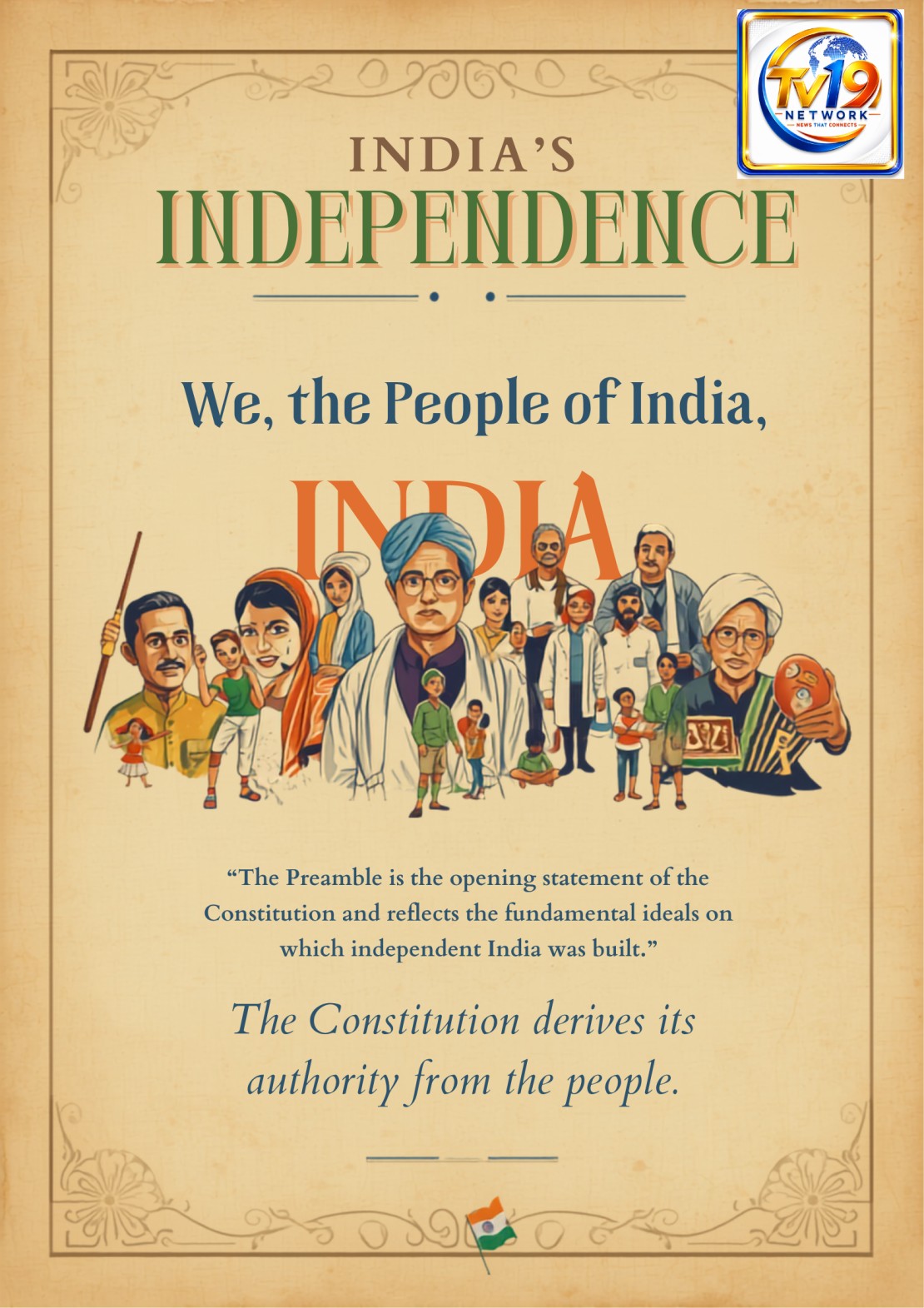
From winning freedom in 1947 to protecting the values of our Constitution today, the responsibility of building India belongs to all of us.
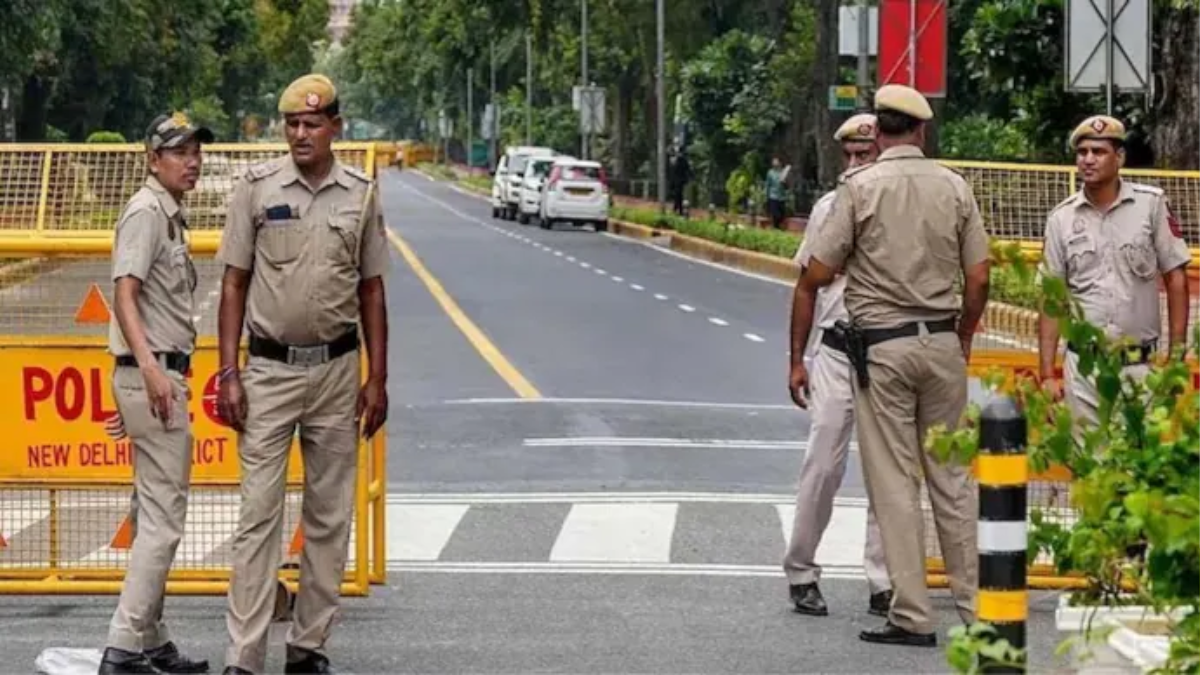
Delhi High Court Receives Bomb Threat, Security Tightened

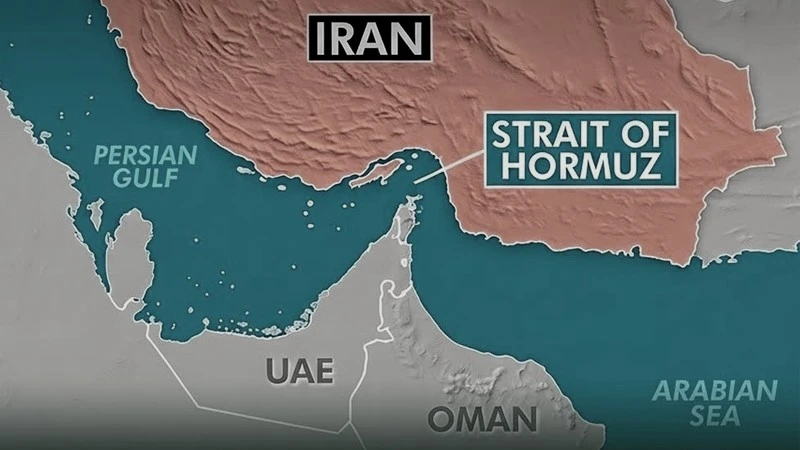
Iran, Oman and the U.S. are reportedly close to a Strait of Hormuz agreement tha...
.jpeg)
Fresh U.S. airstrikes in Iran reportedly killed 14 people, prompting Iranian ret...
President Donald Trump claimed he is Iran’s “No. 1 target” after security measur...
.jpeg)
Three people were killed in U.S. strikes in western Iran as tensions escalated f...
President Donald Trump said the Iran ceasefire is “over” following fresh U.S. st...