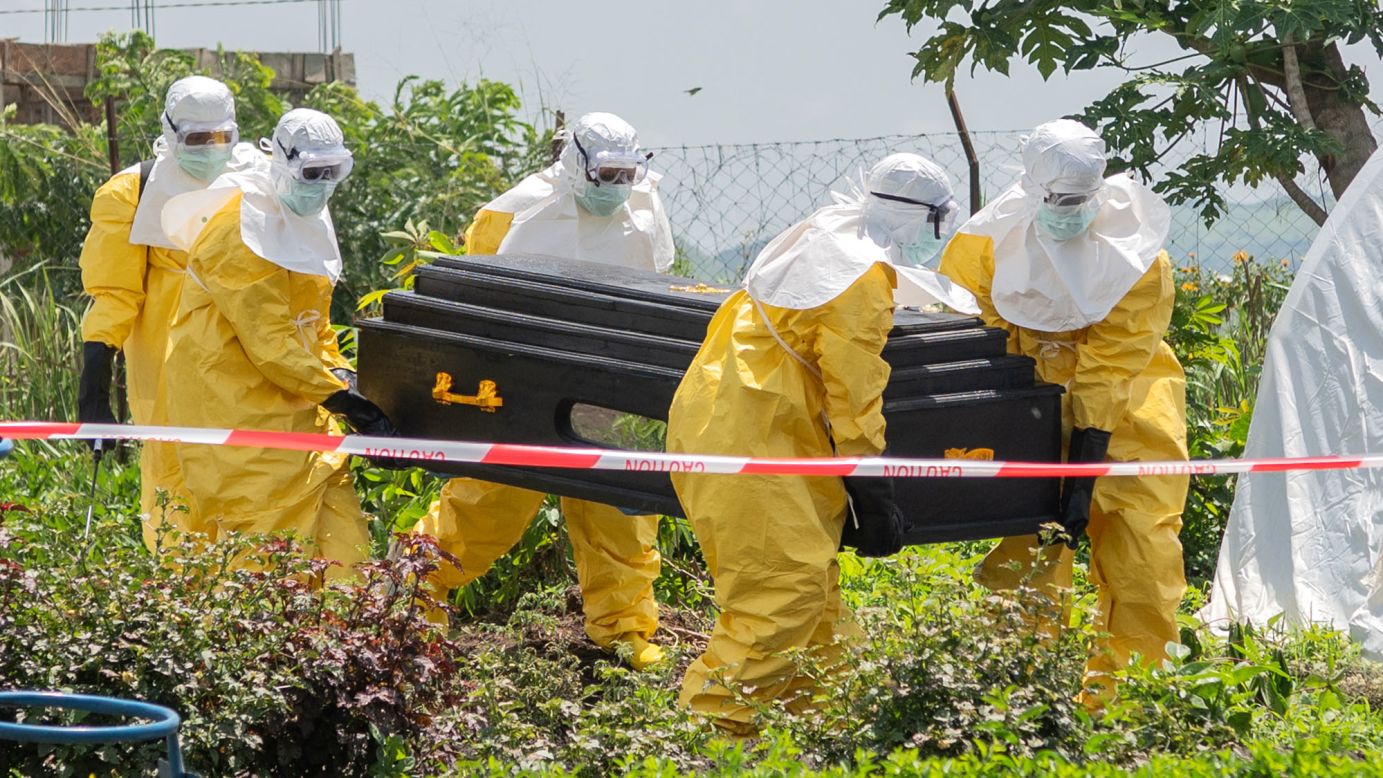
Swapna Kumbar , Bengaluru - Health authorities are racing to contain a rapidly expanding Ebola outbreak spreading across parts of the Democratic Republic of the Congo (DRC) and neighboring Uganda, as the World Health Organization (WHO) warns that ongoing violence and instability are severely undermining emergency efforts. The crisis has intensified following reports that several Red Cross volunteers assisting in outbreak response operations have died after contracting the deadly virus, highlighting the extreme risks faced by frontline workers.
According to health officials, the outbreak has spread through multiple communities in eastern Congo and border regions linked to Uganda, where medical teams are struggling to trace infections and isolate suspected cases. Ebola, a highly contagious and often fatal viral disease, spreads through direct contact with infected bodily fluids and can rapidly overwhelm fragile healthcare systems if not contained quickly. The WHO said attacks on clinics, armed conflict, and insecurity in affected regions are disrupting vaccination drives, delaying medical treatment, and limiting access to vulnerable populations. Several emergency response teams have reportedly faced threats while attempting to deliver supplies and monitor infection clusters in remote areas. The deaths of Red Cross volunteers have further raised concerns about the dangers confronting humanitarian workers operating in conflict zones during disease outbreaks. International aid organizations warn that mistrust, misinformation, and displacement caused by violence are making containment efforts increasingly difficult. Health experts fear the outbreak could worsen if security conditions continue deteriorating, especially in densely populated areas near border crossings and refugee movement routes. Governments in neighboring countries have also intensified border screening and emergency preparedness measures to prevent wider regional transmission.
The growing Ebola outbreak in Central Africa underscores the dangerous intersection of public health emergencies and armed conflict. As international agencies push for stronger containment measures, global health officials warn that without improved security and uninterrupted medical access, the outbreak could evolve into a much larger humanitarian crisis with serious regional consequences.
.jpeg)
Trump cited India’s voter-ID system while backing the SAVE America Act, highlighting differences in voting rules between the two countries.
.jpeg)
A Russian missile strike hit Lakshmi Mittal-linked ArcelorMittal’s steel plant in Ukraine, killing two and injuring several others as the war escalates.
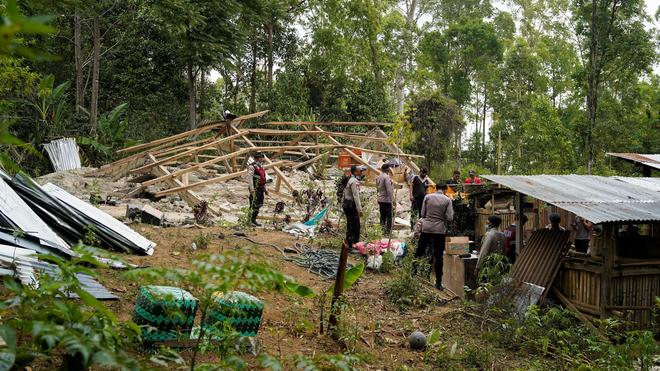
A powerful earthquake in Indonesia has killed 53 people and forced around 5,000 to evacuate, as aftershocks and landslides hamper rescue efforts.

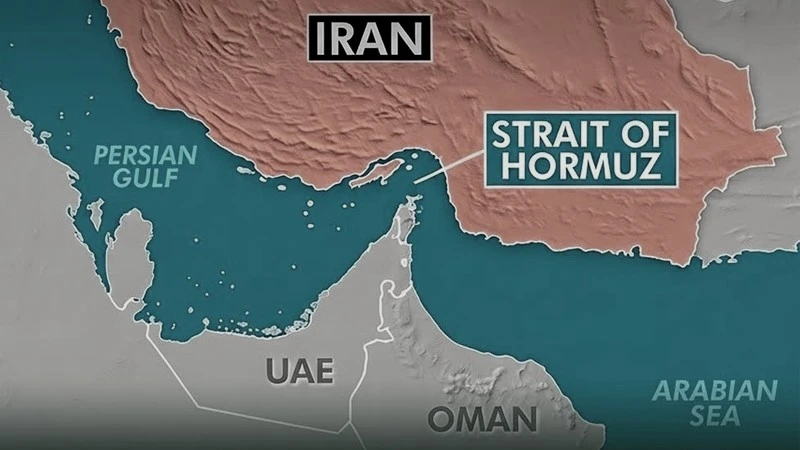
Iran, Oman and the U.S. are reportedly close to a Strait of Hormuz agreement tha...
.jpeg)
Fresh U.S. airstrikes in Iran reportedly killed 14 people, prompting Iranian ret...
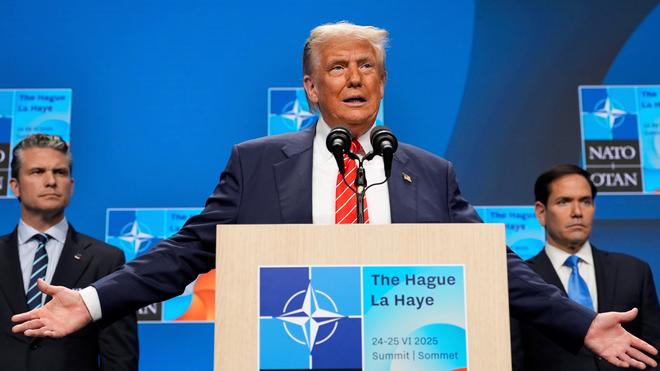
President Donald Trump claimed he is Iran’s “No. 1 target” after security measur...
.jpeg)
Three people were killed in U.S. strikes in western Iran as tensions escalated f...
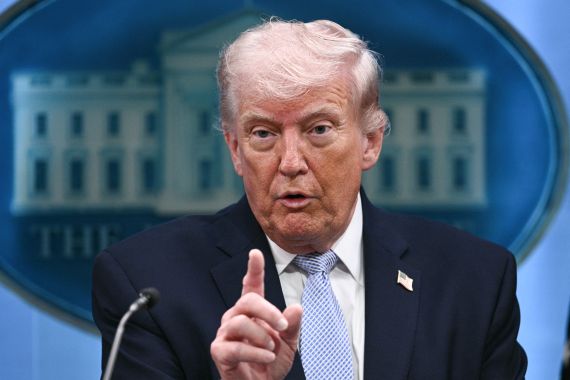
President Donald Trump said the Iran ceasefire is “over” following fresh U.S. st...