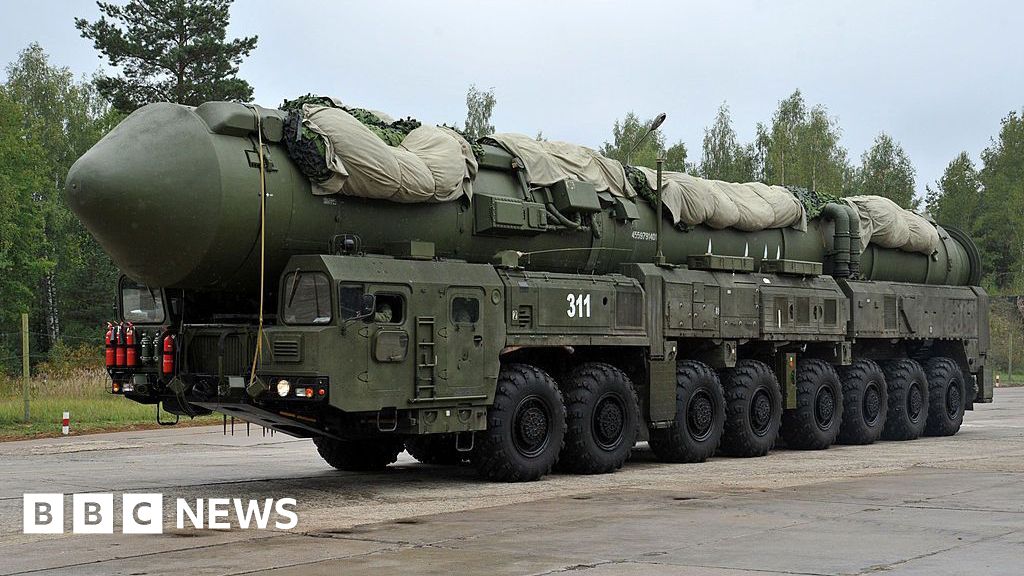
Swapna Kumbar , Bengaluru - Russia’s recent display of its advanced Oreshnik missile system has reignited global discussions around hypersonic and long range strategic weapons. However, defence experts believe India possesses an equally formidable and potentially deadlier missile arsenal through its rapidly advancing indigenous missile programs. The comparison has drawn attention to India’s growing defence capabilities as New Delhi continues strengthening its position among the world’s major military powers.
The Russian Oreshnik missile has been projected as a next generation strategic weapon capable of carrying conventional or nuclear payloads at extremely high speeds while evading air defence systems. But military analysts point to India’s own advanced missile systems, including hypersonic technology projects, long-range ballistic missiles, and multiple independently targetable reentry vehicle (MIRV) capabilities, as evidence of the country’s expanding strategic deterrence. India’s defence establishment has significantly accelerated indigenous weapons development under programs led by the Defence Research and Development Organisation, focusing on speed, precision, survivability, and advanced strike capabilities.
Particular attention has been given to systems such as the Agni missile series and ongoing hypersonic technology demonstrator projects, which are designed to strengthen India’s ability to respond rapidly to emerging threats. Defence observers note that India’s strategic missile doctrine is centered on credible deterrence and maintaining regional balance, especially amid evolving security challenges involving neighboring nuclear powers. The growing sophistication of missile technologies globally has also intensified competition among major military nations to develop faster, stealthier, and more difficult to intercept weapons systems.
As hypersonic and strategic missile programs become central to modern military power, India’s expanding indigenous capabilities are increasingly placing it among the world’s leading defence technology nations. The comparisons with Russia’s Oreshnik system underline how advanced missile development is now becoming a key measure of geopolitical and military influence in the global security landscape.
.jpeg)
Trump cited India’s voter-ID system while backing the SAVE America Act, highlighting differences in voting rules between the two countries.
.jpeg)
A Russian missile strike hit Lakshmi Mittal-linked ArcelorMittal’s steel plant in Ukraine, killing two and injuring several others as the war escalates.
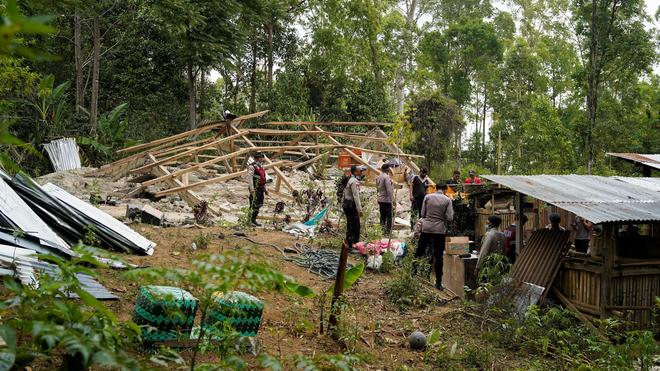
A powerful earthquake in Indonesia has killed 53 people and forced around 5,000 to evacuate, as aftershocks and landslides hamper rescue efforts.

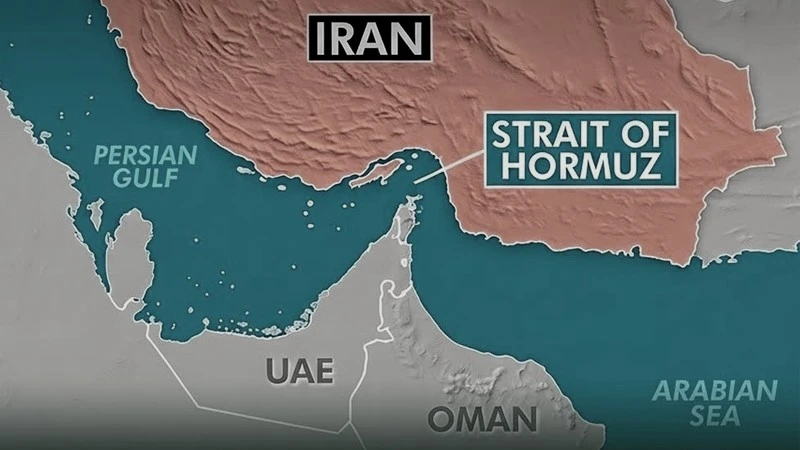
Iran, Oman and the U.S. are reportedly close to a Strait of Hormuz agreement tha...
.jpeg)
Fresh U.S. airstrikes in Iran reportedly killed 14 people, prompting Iranian ret...
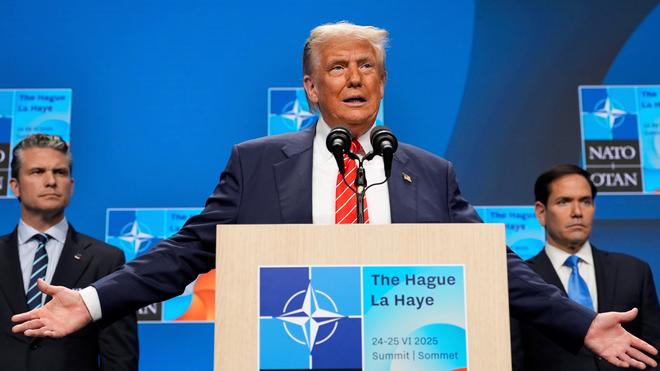
President Donald Trump claimed he is Iran’s “No. 1 target” after security measur...
.jpeg)
Three people were killed in U.S. strikes in western Iran as tensions escalated f...
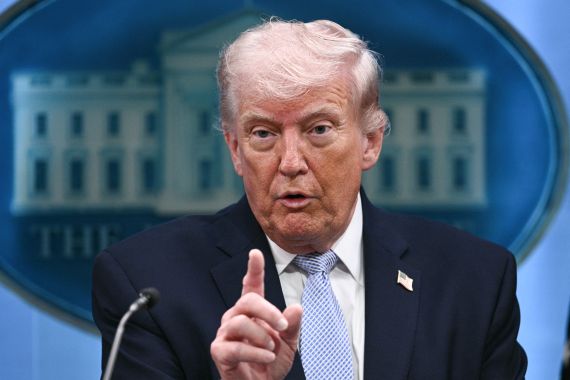
President Donald Trump said the Iran ceasefire is “over” following fresh U.S. st...