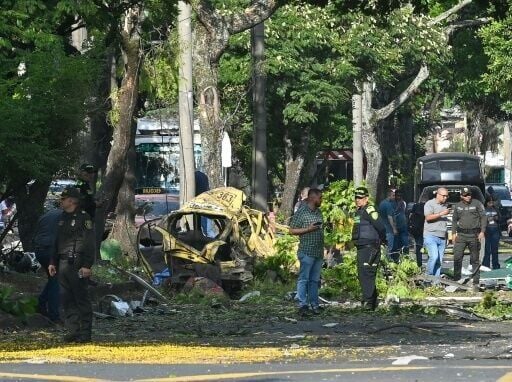
Bogotá, August 22 — At least 18 people were killed in Colombia on Thursday in two major incidents of violence, including a deadly attack on a police helicopter and a separate car bomb explosion in Cali. Authorities have blamed dissident factions of the Revolutionary Armed Forces of Colombia (FARC) for both assaults.
Officials confirmed that a National Police Black Hawk helicopter was struck mid-air by explosives while flying over Antioquia province on an anti-drug mission. The aircraft caught fire and crashed, killing all 12 officers on board. This marks one of the deadliest single-day losses for Colombian security forces in recent years.
Hours later, a powerful car bomb detonated near a military aviation school in the city of Cali. The blast killed six people and left more than 70 others injured, with several buildings and vehicles in the area severely damaged. Police said one suspect linked to the vehicle has been detained, though investigations are still underway.
President Gustavo Petro condemned the violence, calling it a “cowardly attack” and warning that such actions threaten the country’s ongoing efforts to achieve peace. He accused FARC dissidents, who refused to lay down arms after the 2016 peace deal, of attempting to destabilize Colombia through renewed acts of terror.
The government’s “total peace” initiative, aimed at ending conflict through dialogue, now faces fresh challenges as armed groups expand operations in rural and urban areas. Security forces across the country have been placed on high alert.
.jpeg)
Trump cited India’s voter-ID system while backing the SAVE America Act, highlighting differences in voting rules between the two countries.
.jpeg)
A Russian missile strike hit Lakshmi Mittal-linked ArcelorMittal’s steel plant in Ukraine, killing two and injuring several others as the war escalates.
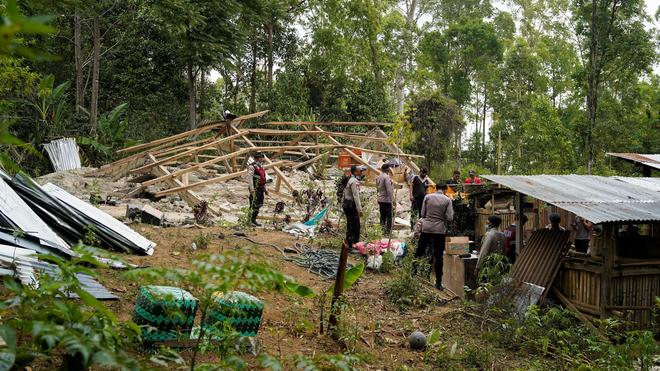
A powerful earthquake in Indonesia has killed 53 people and forced around 5,000 to evacuate, as aftershocks and landslides hamper rescue efforts.

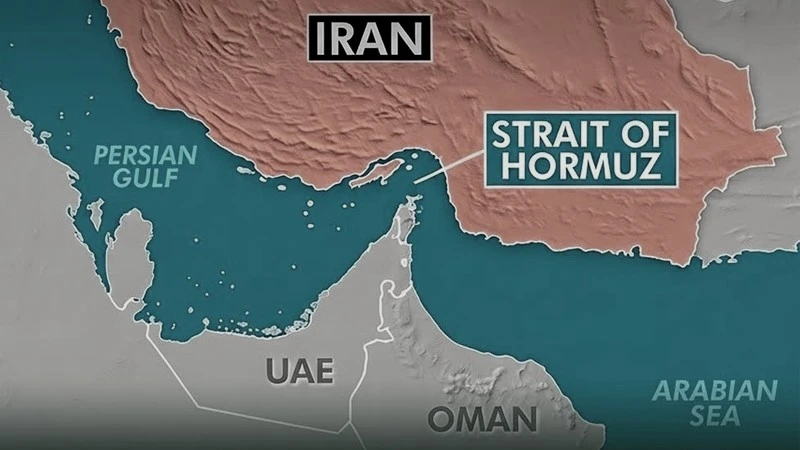
Iran, Oman and the U.S. are reportedly close to a Strait of Hormuz agreement tha...
.jpeg)
Fresh U.S. airstrikes in Iran reportedly killed 14 people, prompting Iranian ret...
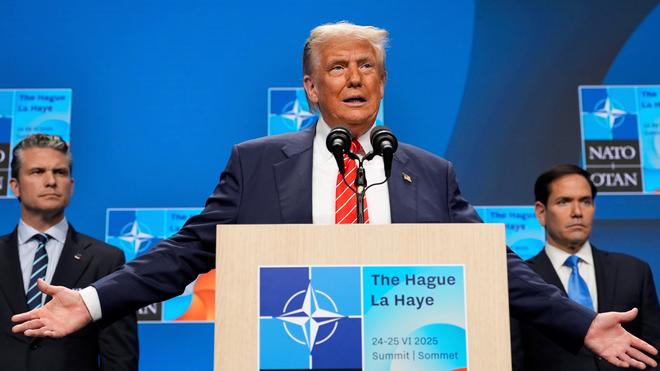
President Donald Trump claimed he is Iran’s “No. 1 target” after security measur...
.jpeg)
Three people were killed in U.S. strikes in western Iran as tensions escalated f...
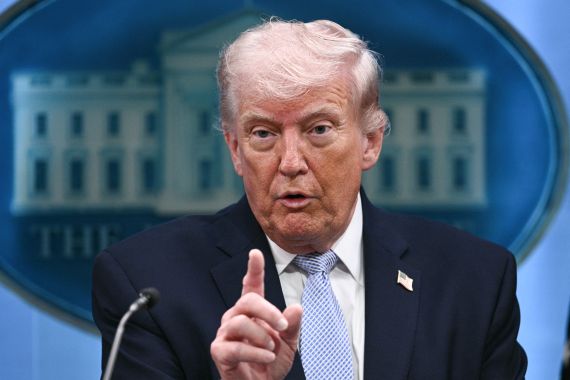
President Donald Trump said the Iran ceasefire is “over” following fresh U.S. st...